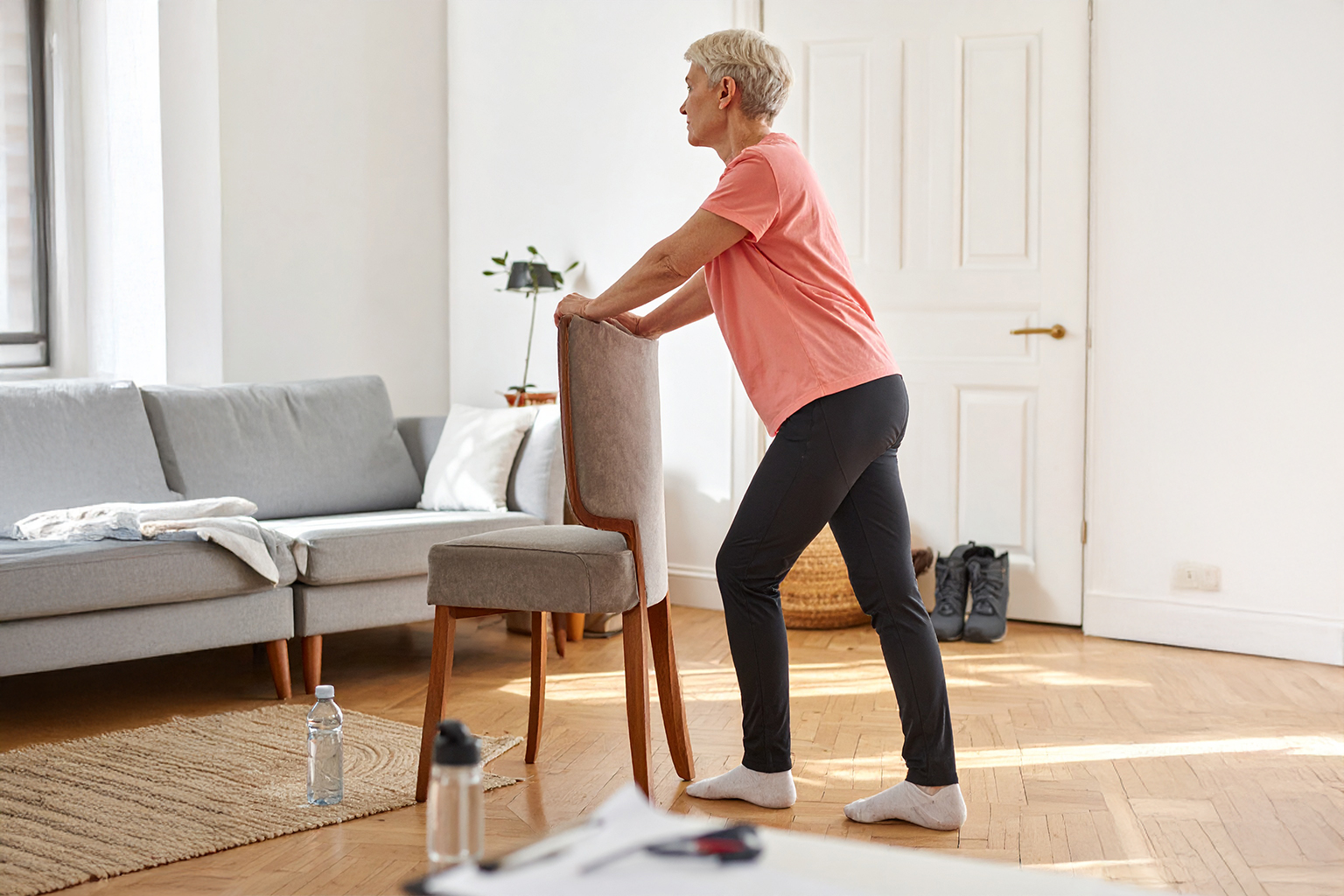
Living with ongoing muscle or joint discomfort requires a practical approach that fits into everyday life. Small, consistent movement habits can reduce stiffness, support function, and limit flare-ups when combined with sensible rest and pacing. This article outlines straightforward strategies you can use at home to improve comfort and preserve activity. The emphasis is on manageable actions you can repeat daily without special equipment.
Why structure matters
Creating a simple structure around movement helps prevent boom-and-bust cycles where a strong activity day is followed by prolonged rest due to increased pain. Consistency trains tissues, reduces sensitivity, and builds confidence in movement over time. A structured plan also clarifies expectations and makes it easier to track progress, which can encourage steady improvements in mobility and pain control.
Start with short sessions and build gradually. Even small, regular gains add up and are easier to maintain than dramatic but unsustainable efforts.
Movement and pacing strategies
Prioritize gentle mobility, strength maintenance, and movement variety rather than intense single-modality workouts. Focus on low-impact activities, short strength sets using body weight or light resistance, and mobility exercises that target commonly stiff areas like hips, shoulders, and the spine. Use a timer or cues to alternate activity with brief rests and aim for several short sessions throughout the day rather than one long session.
Pacing helps reduce flare-ups and keeps tissues moving without overloading them. Track how activities affect symptoms and adjust intensity or duration accordingly.
Adjusting your environment and routine
Small changes at home can make movement easier and reduce strain during daily tasks. Arrange frequently used items within comfortable reach, use supportive seating when needed, and set reminders to stand and move at regular intervals. Proper footwear and an uncluttered circulation path also reduce unnecessary twists and slips.
- Place frequently used items at waist height to avoid bending.
- Use a chair with good lumbar support for seated tasks.
- Set phone or device reminders for brief mobility breaks.
These adjustments support consistent movement and reduce cumulative stress on muscles and joints. They also make it simpler to follow the movement habits you establish.
Conclusion
Adopting practical movement habits that emphasize consistency, pacing, and small environmental changes can significantly improve daily comfort. Start small, track how you respond, and gradually increase activity as tolerated. Over time, these steady practices can build resilience, preserve function, and reduce the frequency of painful setbacks.