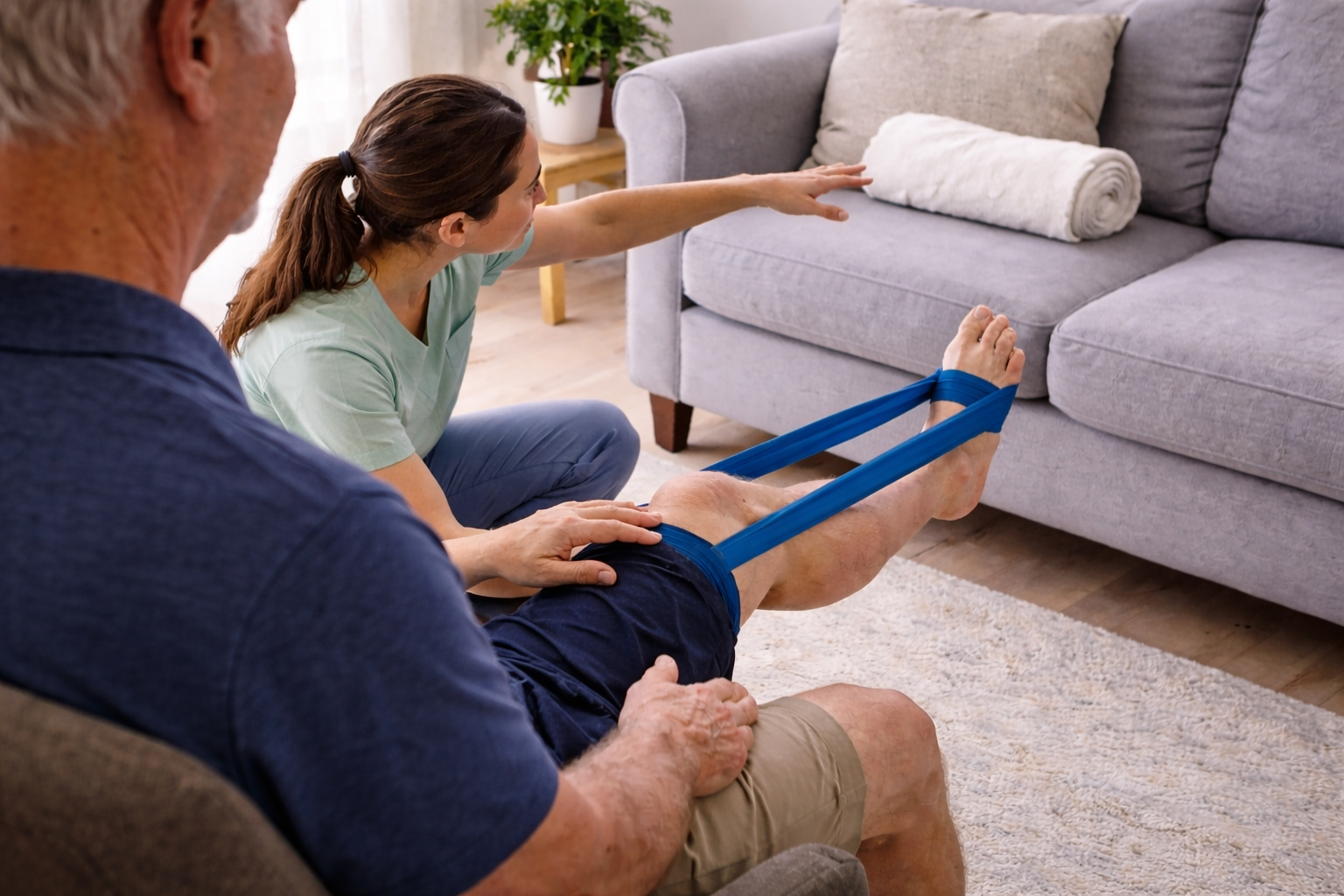
Managing a medical condition at home often includes regular movement and carefully chosen exercises. With attention to safe technique and gradual progression, many people can improve mobility and reduce discomfort without leaving their living space. This article outlines practical strategies to plan and adapt workouts to symptoms, minimize risk, and support recovery. It emphasizes listening to the body and coordinating with healthcare professionals when needed.
When you pair sensible exercise with monitoring and modifications, home programs can complement clinical care. The following sections describe principles to guide safe, effective activity for common limitations.
Understanding Movement and Pain
Pain is a signal but not always a reason to stop all activity; distinguishing between soreness, stiffness, and warning pain helps direct decisions. Soreness after new or increased activity is normal and usually settles within a day or two, while sharp, increasing, or radiating pain often indicates the need to scale back. Observe patterns: symptoms that worsen with specific movements suggest a modification rather than cessation of all exercise. Understanding how different tissues respond to loading allows safer progression.
Keeping a simple symptom diary for a week can reveal triggers and improvements. Use that information to adjust intensity, duration, or exercise selection.
Designing a Safe Home Workout
Begin each session with a gentle warm-up that raises heart rate and increases joint circulation, such as marching in place or dynamic arm swings. Focus on low-impact, functional movements that mimic daily tasks and target mobility, strength, and balance in short segments. Choose a manageable frequency—several short sessions across the day often work better than one long session. Progress by small increments in repetitions, resistance, or time, and allow recovery between challenging days.
Consistency and gradual overload are key to building tolerance without provoking setbacks. Aim for sustainable routines rather than intense bursts.
Monitoring Symptoms and When to Pause
Set clear thresholds for acceptable discomfort—mild increase in baseline ache that settles within 24 hours may be acceptable, while intensifying, sharp, or numb symptoms require pause and reassessment. Red flags such as joint swelling, sudden loss of function, or new neurological signs warrant contacting a clinician. Use objective measures like range of motion, ability to perform an activity, and symptom duration to guide changes. Remote consultations can help tailor next steps if in-person care is not immediately available.
Stopping temporarily and returning at a lower intensity often prevents prolonged setbacks. Keep lines of communication open with your healthcare team when symptoms change.
Practical Tools and Modifications
Simple equipment and environment changes can make home exercise safer and more effective, such as using a chair for support, resistance bands for progressive loading, or a towel for assisted stretches. Modify movements to reduce joint stress—perform squats to a higher surface, march in place instead of jumping, or split sessions into smaller blocks. Prioritize form and controlled movement over quantity to avoid compensatory patterns that cause strain.
- Chair or wall support for balance
- Resistance bands for gentle strengthening
- Pillows or rolled towels to support alignment
Small adaptations often enable meaningful progress while protecting vulnerable areas. Experiment cautiously and note what works.
Tips for Maintaining Consistency
Set realistic, measurable goals and schedule exercise like an appointment to enhance adherence. Vary routines to prevent boredom and address multiple domains: mobility, strength, endurance, and balance. Use reminders, short timers, or partner accountability to sustain momentum, and celebrate small gains to build confidence. When motivation wanes, returning to simpler, shorter sessions preserves habit and prevents regression.
Regular review of goals and symptom response helps keep the program aligned with health status. Adjust plans as progress or new limitations appear.
Conclusion
Thoughtful home exercise programs combine gradual progression, symptom monitoring, and simple modifications to reduce risk and improve function. Communicate changes with healthcare providers and stop when warning signs appear to get timely guidance. With careful planning and consistency, many people can safely maintain activity and support recovery at home.