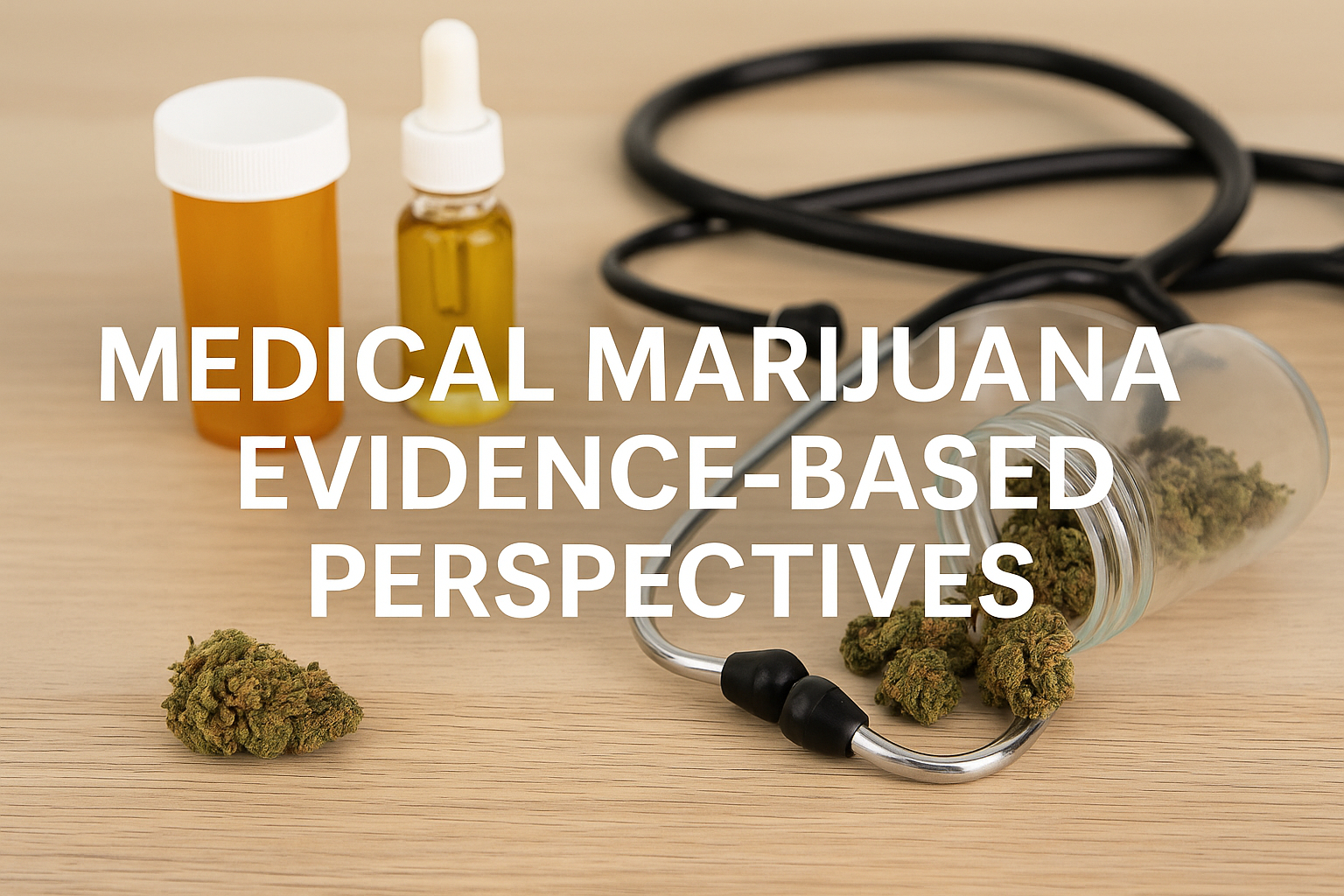
Medical marijuana has become a topic of both curiosity and controversy in modern healthcare. Once stigmatized, it’s now being studied for its potential therapeutic benefits in managing pain, anxiety, and chronic illnesses. As legalization expands worldwide, understanding the science behind medical marijuana is essential. This article explores the evidence, applications, and ongoing debates surrounding its use.
The Science Behind Medical Marijuana
Marijuana contains over 100 chemical compounds known as cannabinoids, with THC (tetrahydrocannabinol) and CBD (cannabidiol) being the most well-known.
-
THC is responsible for the psychoactive “high.”
-
CBD offers therapeutic effects without intoxication.
These compounds interact with the body’s endocannabinoid system, which helps regulate pain, mood, sleep, and immune response. Research suggests that cannabinoids can influence how these processes function, offering potential relief for certain medical conditions.
Proven Medical Applications
Evidence supports medical marijuana’s effectiveness in several areas:
-
Chronic Pain Management: Many patients report significant relief, particularly those with neuropathic pain.
-
Epilepsy Treatment: CBD-based drugs have reduced seizure frequency in severe forms of epilepsy.
-
Cancer and Chemotherapy Support: Marijuana may help manage nausea, appetite loss, and pain in cancer patients.
-
Multiple Sclerosis and Arthritis: It may alleviate muscle stiffness and inflammation.
However, while promising, medical marijuana isn’t a cure-all—it should complement, not replace, conventional treatment.
Risks and Concerns
Despite its benefits, medical marijuana comes with potential downsides.
-
Cognitive Impairment: THC-heavy products can affect memory and coordination.
-
Addiction Risk: Though lower than with opioids or alcohol, dependence can develop with prolonged use.
-
Unregulated Products: In regions without strict standards, dosage and purity may vary significantly.
Proper medical supervision and standardized dosing are vital for safe use.
Conclusion
Medical marijuana represents a growing frontier in evidence-based medicine. While research supports its role in managing specific conditions, it’s not without risks. The future of medical marijuana depends on continued scientific study, transparent regulation, and informed medical guidance—ensuring it’s used safely and effectively for those who truly need it.