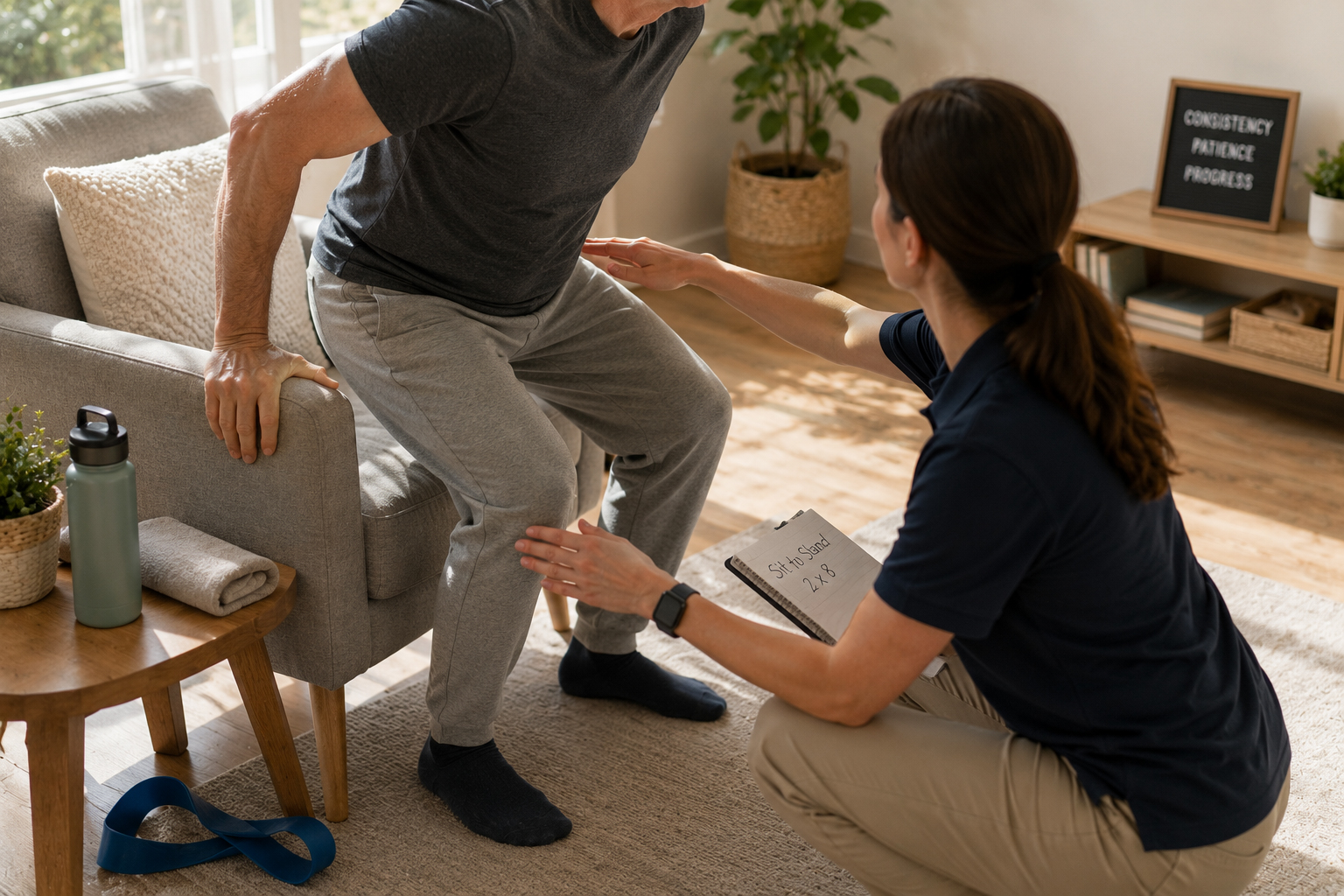
Managing persistent musculoskeletal pain at home requires a clear, gradual plan that balances movement and rest. Start by assessing what activities increase symptoms and which provide relief, then set realistic short-term goals. Consistency with small, progressive steps builds tolerance and restores confidence in movement. This article outlines practical at-home strategies to rebuild function while minimizing flare-ups.
Start simple, stay cautious, and focus on measurable progress. Small wins lead to sustainable change and lower the risk of setbacks.
Assessing movement, load, and tolerance
Begin with a brief self-assessment of daily tasks: which positions, loads, or motions trigger pain and how quickly symptoms recover. Track intensity and duration in a simple log to identify patterns and safe limits. Consider mobility, strength, and endurance separately so you can target each area without overwhelming the system. This information guides what to scale up and when to rest.
Use slow testing and repeatable tasks to monitor improvement week to week. Objective notes reduce guessing and help maintain steady progress.
Building a progressive at-home routine
Design a routine that mixes gentle mobility, low-load strengthening, and functional practice relevant to daily life. Start with short sessions—five to ten minutes—and increase duration by about 10–20% each week as symptoms allow. Prioritize neutral postures, controlled breathing, and movements with good form rather than heavy load or speed. Include exercises that mimic the activities you want to improve, such as sit-to-stand practice or carrying light objects with attention to alignment.
- Mobility: controlled joint circles, gentle stretches.
- Strength: bodyweight progressions, light resistance bands.
- Function: task-specific repetitions, pacing strategies.
Progress slowly and celebrate consistency; long-term adaptation beats short-term intensity for most chronic complaints.
Managing flares and recovery strategies
Expect occasional symptom increases as you challenge tissues; plan for them so they don’t derail progress. Employ short-term modifications when needed—reduce load, shorten sessions, or substitute positions—and focus on recovery tools like sleep, hydration, and gradual return to activity. Simple pain control strategies such as heat, gentle massage, or topical measures can assist recovery without masking important feedback. Reassess your plan after flares and adjust the progression rate accordingly.
View flares as informative, not punitive, and use them to fine-tune your approach. A resilient plan adapts to setbacks and prioritizes steady gains.
Conclusion
Consistent, gradual home strategies rebuild mobility and reduce pain over time. Prioritize assessment, pacing, and progressive loading while monitoring responses. With patience and sensible adjustments, daily function and comfort can steadily improve.