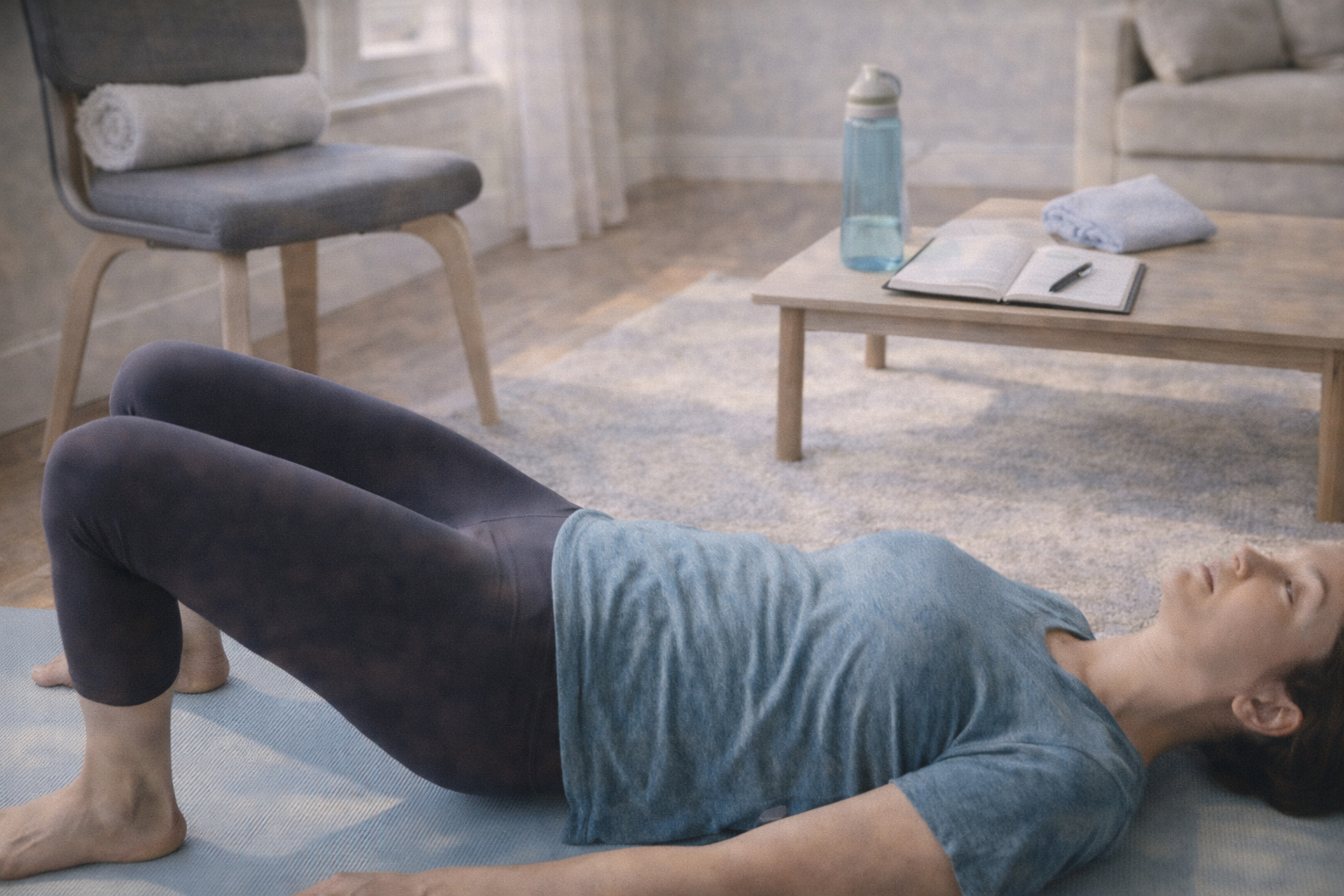
Lower back discomfort is a common problem that affects mobility and daily routines. Small, consistent changes at home can reduce pain and build resilience without complicated equipment. This article outlines practical, safe strategies you can use to ease discomfort and support recovery. These approaches are educational and meant to complement professional advice when needed.
Before trying new movements, consider your current fitness and any long-term conditions. Start gently and prioritize pain-free range of motion. Tracking small improvements helps maintain motivation and prevents overexertion.
Understanding Common Causes
Many cases of lower back pain stem from muscle strain, poor posture, or prolonged sitting. Weak core muscles and tight hips can alter spinal mechanics and increase stress on the lower back. Identifying which factors apply to you guides the most effective at-home adjustments. Awareness of daily patterns is the first step toward meaningful change.
Note that sudden severe pain, progressive weakness, or loss of bladder control require prompt evaluation. For ongoing or worsening symptoms, seek a clinician who can assess for underlying conditions.
Simple Home Exercises
Gentle movement is often more helpful than prolonged rest; it promotes blood flow and reduces stiffness. Focus on exercises that improve mobility and strengthen supporting muscles without provoking sharp pain. Aim for short sessions several times a day rather than a single long workout, and progress slowly as strength and comfort increase.
- Pelvic tilts to engage lower abdominals.
- Cat–cow stretches to mobilize the lumbar spine.
- Glute bridges for posterior chain strength.
- Brisk walking or light cycling for low-impact conditioning.
Consistency matters more than intensity. Modify or skip any movement that increases radiating pain or numbness.
Ergonomics and Daily Habits
Small ergonomic changes can significantly reduce daily strain on the lower back. Adjust chair height so feet rest flat and hips are slightly higher than knees when seated. Use a lumbar support or rolled towel to maintain the spine’s natural curve and alternate standing with sitting throughout the day.
When lifting, hinge at the hips rather than rounding the back and keep objects close to your body. Prioritize quality sleep postures that support spinal alignment, such as side sleeping with a pillow between the knees.
Monitoring Progress and When to Seek Help
Keep a short log of pain levels, activity types, and what helps or worsens symptoms to identify patterns. Most mechanically driven discomfort improves within weeks with consistent home care and activity modification. If you notice new numbness, progressive weakness, or difficulty with bowel or bladder control, seek urgent medical attention.
- Worsening neurological signs.
- Unrelenting night pain.
- Sudden loss of function.
Regular check-ins with a physical therapist can personalize exercise selection and ensure safe progression. Professional guidance accelerates recovery when self-management plateaus.
Conclusion
Practical home strategies—gentle movement, ergonomic tweaks, and habit changes—can ease many cases of lower back discomfort. Consistent, pain-free progress and attention to warning signs help you recover safely. When symptoms persist or red flags appear, consult a healthcare professional for targeted evaluation and care.