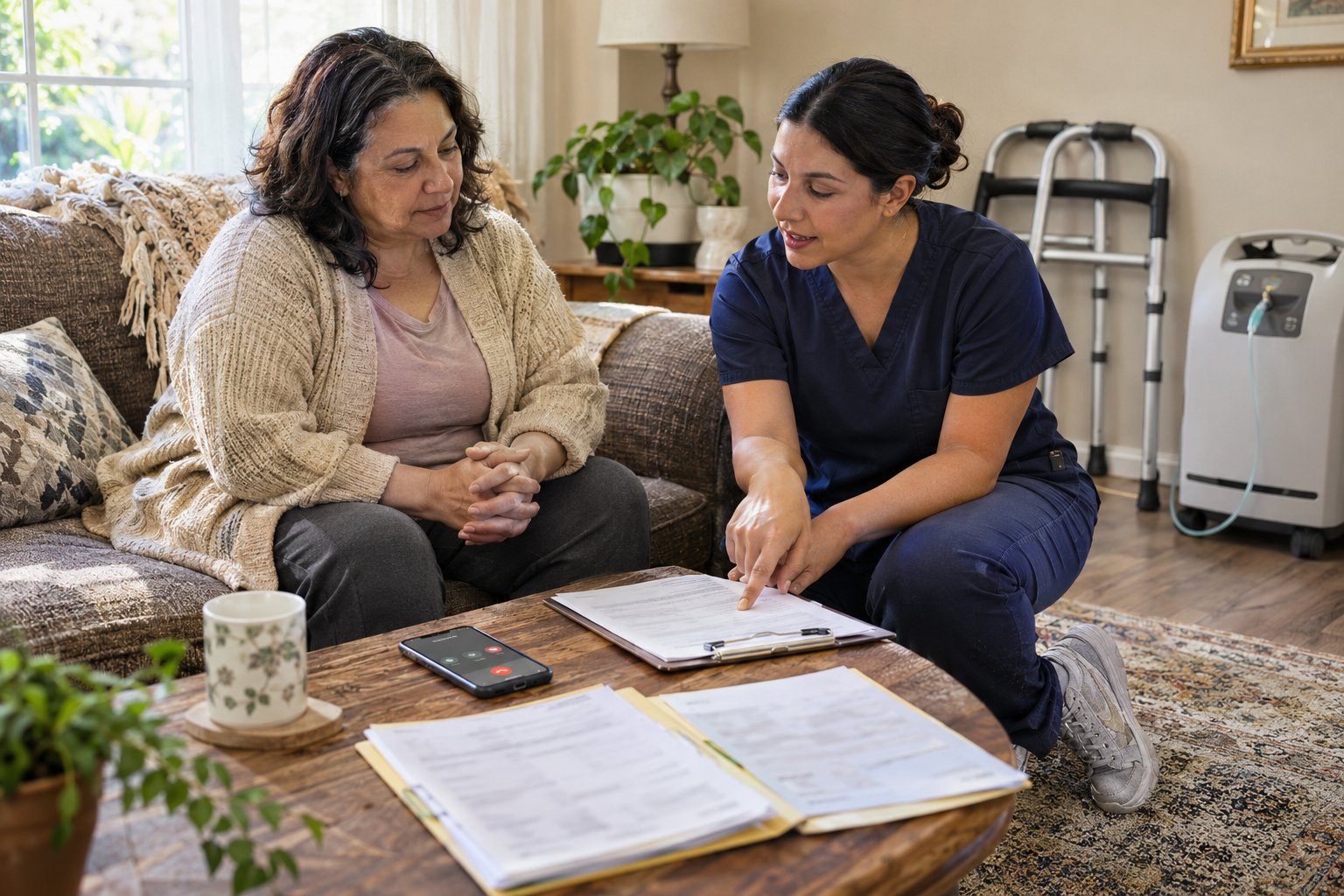
Figuring out what your medical insurance will pay for at home can feel overwhelming, but a few consistent patterns emerge across plans. Insurers tend to draw a clear line between medically necessary services and general wellness or convenience items. Understanding those distinctions and the documentation insurers expect will improve your chances of coverage. This article outlines common covered items, frequent exclusions, and practical steps to pursue benefits for home therapy and exercise.
What insurers commonly cover
Policies often cover services when a licensed clinician documents medical necessity for home-based care after a hospital stay or due to a chronic condition that limits mobility. Typical covered items include skilled nursing visits, physical or occupational therapy performed at home, and certain durable medical equipment prescribed to treat or manage a condition. Coverage usually depends on the treating provider’s notes, prior authorization, and specific plan language about home health benefits. Knowing which services your plan calls “home health” versus “home exercise” helps set realistic expectations before you request care.
- Skilled nursing and therapy visits prescribed by a physician.
- Durable medical equipment like walkers, hospital beds, or oxygen when prescribed.
- Short-term home health after hospitalization, with limits on duration.
Verification steps are important: request written benefit summaries, confirm prior authorization requirements, and have your clinician include objective functional deficits in notes. These actions make it easier for claims reviewers to match your request to covered categories.
What usually isn’t covered
Insurance commonly denies items that are primarily for convenience, general fitness, or that lack a clear therapeutic purpose tied to a medical diagnosis. Examples include gym memberships, most standard exercise equipment for general conditioning, in-home personal training for non-medical goals, and home modifications deemed cosmetic. Even when an item supports recovery, insurers expect evidence that it treats a specific medical problem and is more appropriate than standard community resources.
- Routine exercise equipment and wellness programs.
- Non-prescription braces or orthotics without medical justification.
- Long-term custodial care or services that help with daily living but are not skilled care.
Appeals are possible when denials are based on incomplete documentation, so don’t assume a single rejection is final. Gathering supportive clinical notes can change an outcome on review.
How to improve approval odds and make a claim
Start by asking your treating clinician to spell out the medical necessity in clear functional terms: what the condition prevents you from doing and how the proposed home service or equipment will restore function. Check your plan’s prior authorization rules and supply any required supplier contracts or product codes. Keep a timeline of visits and submitted paperwork and ask your insurer for a written explanation if a benefit is denied.
- Obtain a prescription and detailed clinical notes from your provider.
- Request prior authorization before purchases or non-emergency services.
- File an appeal with additional documentation if necessary.
Working closely with clinicians and suppliers who understand insurance billing can turn a complicated process into a manageable one. Clear documentation and persistence often make the difference in obtaining benefits.
Conclusion
Insurance will often cover home-based therapy and equipment when a licensed clinician documents a clear medical need tied to impaired function. Items intended for general fitness or convenience are typically excluded, so precise prescriptions and prior authorization matter. Review your plan documents, collect detailed clinical notes, and be prepared to appeal denials with supporting evidence.