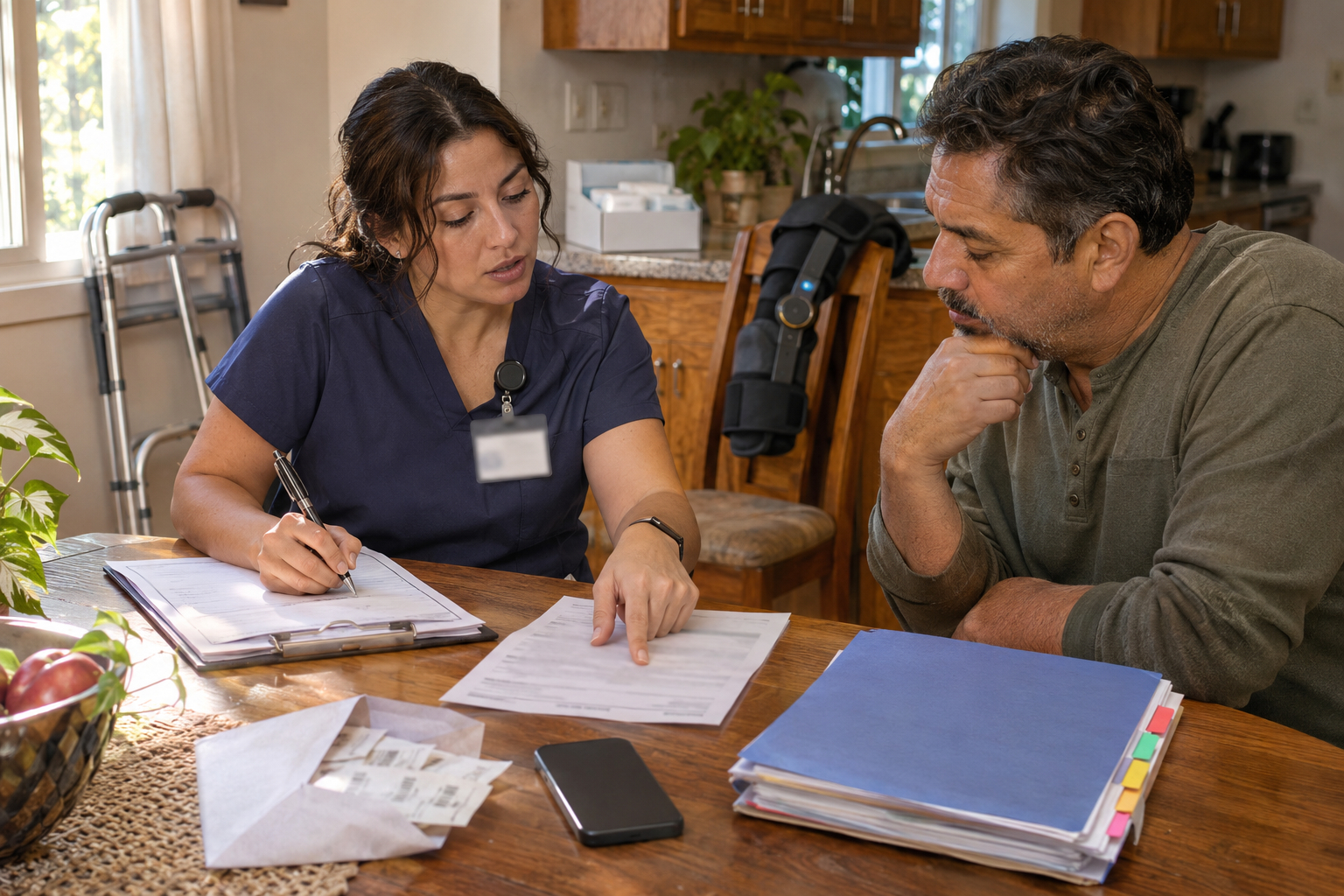
Many people assume home-based care or rehab is automatically covered, but policies vary widely. A doctor’s prescription or clear medical necessity is often the turning point. Insurers typically distinguish between preventive fitness and treatment after illness or injury. This overview explains common rules, what insurers look for, and practical steps to follow.
Who Qualifies and When
Coverage usually depends on documented medical necessity: a clinician must show that care at home is required because leaving home is difficult or conventional outpatient care isn’t appropriate. Many plans require that services replace or supplement hospital care, such as skilled nursing or physical therapy after surgery. Eligibility can also hinge on prior authorization, so the timing of requests matters. Understand your insurer’s definition of “home health” to avoid surprises.
Confirming eligibility early reduces delays and unexpected bills. If coverage is denied, ask for a clear written reason so you can address the specific gap.
Which Services and Supplies Are Often Covered
Insurers commonly cover services that are skilled and medically necessary: nursing visits, physical or occupational therapy, speech therapy, and certain medically necessary durable medical equipment. Routine exercise equipment or general wellness devices rarely qualify unless prescribed to treat a diagnosed condition. Coverage for consumables, like wound supplies, varies but is often included when tied to documented treatment. Review your policy’s list of covered services and equipment definitions before purchasing anything.
- Skilled nursing and therapy visits
- Durable medical equipment prescribed by a clinician
- Medical supplies directly tied to treatment
Keep receipts and prescriptions if you expect reimbursement; generic invoices without clinical context are often rejected.
How Claims, Referrals, and Documentation Work
Most insurers expect a physician’s order, a clear care plan, and regular progress notes to support continued coverage. Prior authorization is commonly required for equipment or extended services, and referrals from a primary care provider may speed approvals. When filing claims, include clinical rationale and itemized invoices to reduce back-and-forth. Timely follow-up on denials can sometimes reverse decisions if missing documentation is supplied.
- Doctor’s note explaining medical necessity
- Itemized bills and supplier documentation
- Progress reports or therapy notes
Maintain a dedicated folder of all paperwork and request copies of any communication with the insurer for your records.
Tips to Improve Your Coverage Chances
Talk with your clinician about documenting functional limits and specific goals that tie directly to treatment. Call your insurer before buying equipment to ask whether an item is covered and what paperwork is required. Use in-network providers when possible and verify prior authorization steps to avoid surprises. If denied, file an appeal promptly and supply any missing clinical details.
Being proactive and organized often makes the difference between a covered benefit and an out-of-pocket expense. Small administrative steps up front can prevent larger headaches later.
Conclusion
Home health and rehab coverage depends on documented medical necessity and correct paperwork. Prior authorization and clinician support are often required for services and equipment. Confirm requirements with your insurer before proceeding to limit unexpected costs.