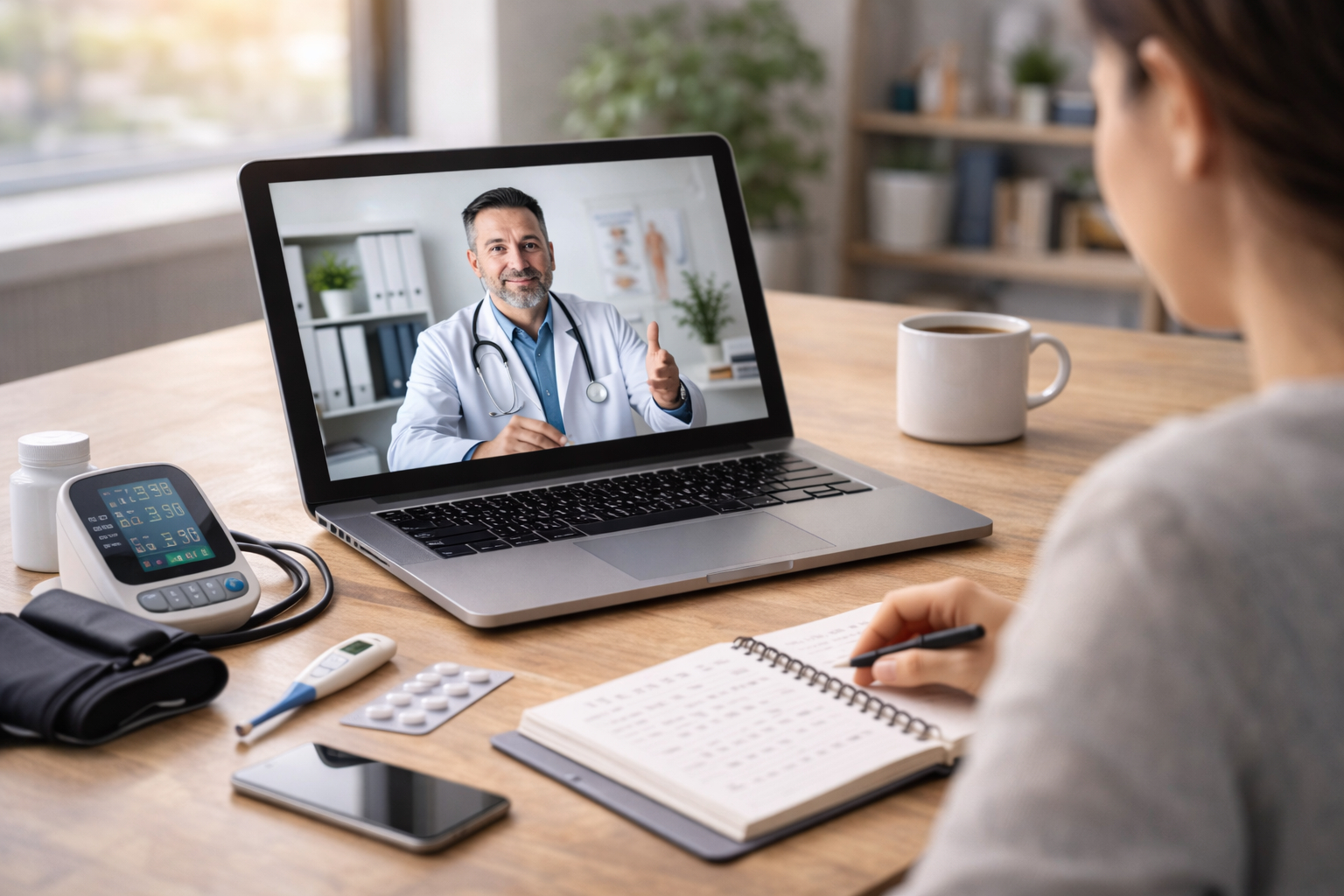
Rising healthcare costs continue to challenge both insurers and policyholders, pushing the industry to seek more efficient care delivery models. Telemedicine has emerged as a practical solution by reducing unnecessary expenses while maintaining quality care. By enabling remote consultations and early intervention, telemedicine is reshaping how insurers manage costs and improve outcomes.
Reducing High-Cost In-Person Visits
One of the biggest cost drivers in healthcare is in-person care, particularly emergency room visits and specialist consultations. Telemedicine allows patients to consult healthcare professionals remotely for routine issues, follow-ups, and initial assessments. This reduces the number of avoidable in-person visits, lowering claim costs for insurers while saving time and money for policyholders.
Enabling Early Intervention and Preventive Care
Telemedicine makes it easier for individuals to seek care early instead of delaying treatment due to inconvenience or cost. Early diagnosis and timely guidance often prevent minor conditions from escalating into expensive medical events. For insurers, this shift toward preventive care reduces long-term payouts associated with advanced treatments and hospitalizations.
Improving Chronic Disease Management
Chronic conditions such as diabetes, hypertension, and respiratory illnesses account for a significant portion of healthcare spending. Telemedicine supports continuous monitoring, regular check-ins, and medication management without frequent clinic visits. Better condition management leads to fewer complications and hospital admissions, helping insurers control recurring claim expenses.
Lowering Administrative and Operational Costs
Remote care reduces overhead associated with physical facilities, staffing, and appointment logistics. Insurers benefit from streamlined claims processing and standardized virtual care pathways. Telemedicine platforms also generate structured data that improves care coordination and reduces administrative inefficiencies across the system.
Expanding Access While Controlling Risk
Telemedicine increases access to care, particularly for individuals in remote or underserved areas. Improved access reduces reliance on emergency services and supports healthier populations overall. For insurers, broader access paired with controlled delivery models creates a more predictable risk environment and stabilizes costs.
Supporting Value-Based Insurance Models
Telemedicine aligns well with value-based care initiatives focused on outcomes rather than volume. Insurers can encourage virtual-first care models that emphasize efficiency, patient satisfaction, and cost control. These models reward effective care delivery while minimizing unnecessary spending.
Conclusion
Telemedicine plays a key role in lowering insurance costs by reducing expensive visits, supporting preventive care, and improving chronic condition management. By streamlining care delivery and expanding access, it creates a more efficient healthcare ecosystem. As adoption grows, telemedicine will continue to be a central tool in sustainable insurance strategies.