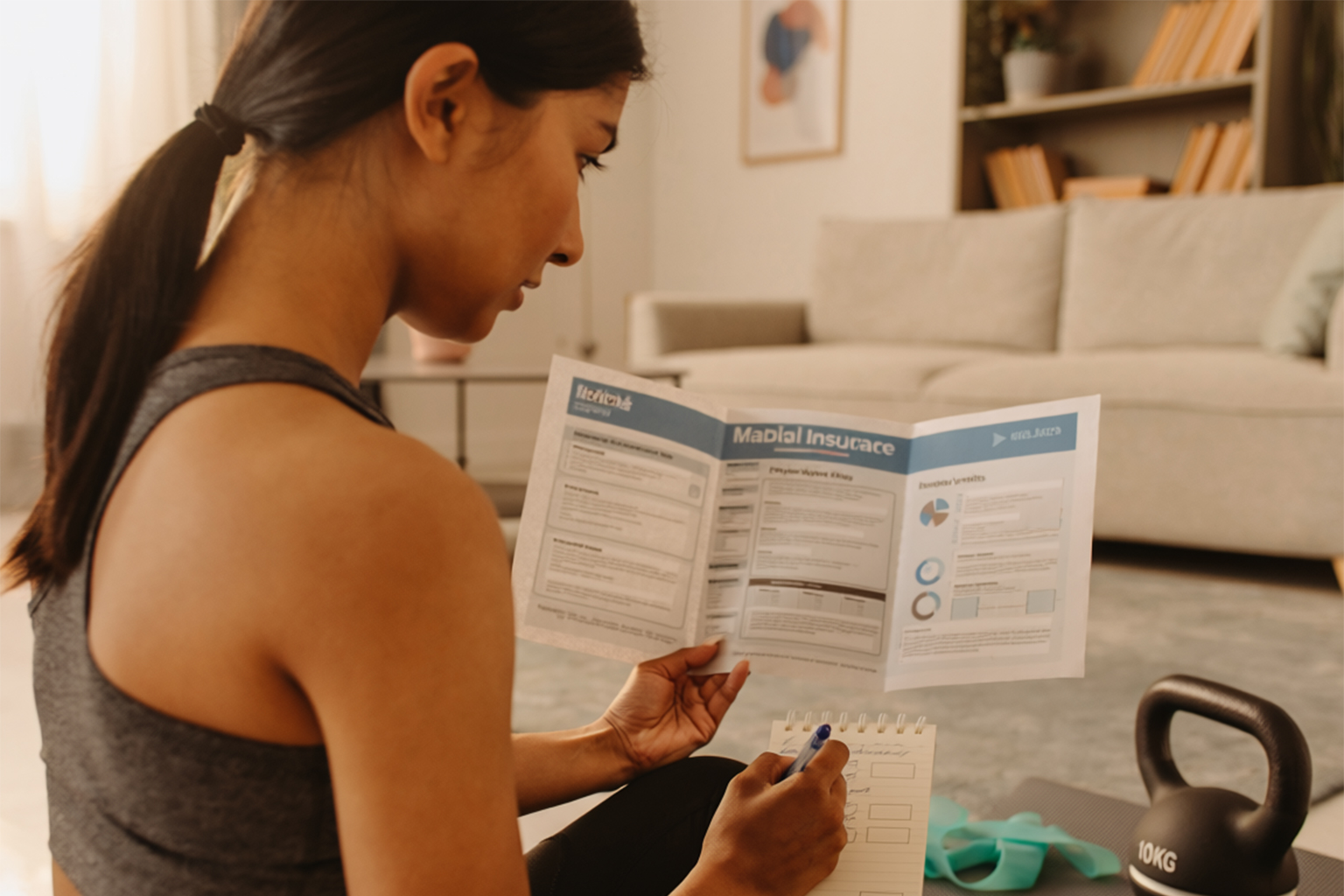
Many people who exercise at home assume standard medical coverage will automatically support their fitness needs. Yet policies differ in how they treat preventive services, equipment, and telehealth related to exercise or rehabilitation. Reviewing plan language and asking targeted questions helps clarify what is reimbursed or supported. This article guides practical steps to align your at-home fitness practices with your medical coverage.
Understand what your plan covers
Start by identifying categories of coverage that matter for home exercise: preventive care, physical therapy, durable medical equipment, and telehealth consultations. Read the policy definitions to see how terms like “rehabilitation” and “preventive” are applied, since that language determines eligibility. Coverage for wearable monitors and fitness apps is often limited or categorized under wellness rather than medical care. Confirm whether your plan requires preauthorization for therapy or equipment before you purchase.
Knowing these distinctions reduces surprise bills and ensures you pursue the right authorization routes. It also helps prioritize expenses that are more likely to qualify for benefit reimbursement.
Maximize benefits tied to exercise and rehabilitation
Many plans include benefits that can support an active home routine when properly documented. Benefits may cover physical therapy after injury, adaptive equipment for mobility, or nutrition counseling when prescribed by a clinician. Some insurers offer wellness discounts or subsidized digital programs but treat them separately from medical benefits. Understanding which services require a clinician referral versus those available directly to members is key to accessing support.
- Physical therapy visits (document medical necessity).
- Durable medical equipment with prescription.
- Telehealth visits for exercise guidance when medically indicated.
Use these benefit categories strategically and keep clear documentation to justify claims. Where possible, opt for services that generate clinical notes linking fitness activities to medical needs.
Document fitness-related medical needs
Good documentation is often the deciding factor in whether an insurer pays for exercise-related services. Ask your clinician to note objectives, measurable outcomes, and why home-based activities are appropriate. Maintain records of telehealth sessions, written home exercise plans, and any progress notes from clinicians or therapists. Clear, dated documentation supports appeals if a claim is initially denied.
Organize records so you can present them quickly when asked by the insurer. This habit simplifies reimbursement and strengthens any necessary appeals.
Conclusion
Ask specific questions about coverage, authorization, and documentation requirements. Keep clear clinical records that link home fitness to medical necessity. Use plan benefits strategically to support safe and effective home exercise routines.