Setting up a home gym means more convenience — and a new set of insurance questions.
Before you push heavy weights or install cardio machines, know which expenses your medical plan will pick up.
This guide highlights the few policy details that most homeowners and renters overlook.
It’s not exhaustive, but it will steer you toward the right questions to ask your insurer.
Read on to reduce surprises if a strain, fall, or equipment failure leads to medical care.
Policy basics to confirm
Start with the summary of benefits: check deductibles, co‑pays, and out‑of‑pocket maximums that apply to emergency and outpatient visits. Verify whether urgent care, telehealth, specialist visits, and rehab are in‑network or require prior authorization. Watch for exclusions tied to recreational or self‑administered activities; some plans limit coverage for injuries during certain sports or organized events. If you have a health savings account or flex spending, those can ease recovery costs but don’t change coverage rules.
A quick phone call to member services can clear many questions that look confusing on paper. Make a dated note of whatever an agent confirms and follow up with written confirmation when possible.
Documentation and timing for claims
Accurate records make a claim straightforward: log when and how the injury happened, symptoms, and any first aid rendered. Keep itemized bills, referral notes, and imaging or therapy paperwork; insurers ask for specifics when reviewing a claim. Many plans set tight windows for submitting claims or requesting prior authorization — missing a deadline can cost you. If you seek care at an independent facility, confirm whether claims must be filed by the provider or by you.
Photograph equipment or the scene if device failure might be relevant to liability or claims. Store digital copies of all documents so you can forward them quickly after any appointment.
When extra coverage or riders matter
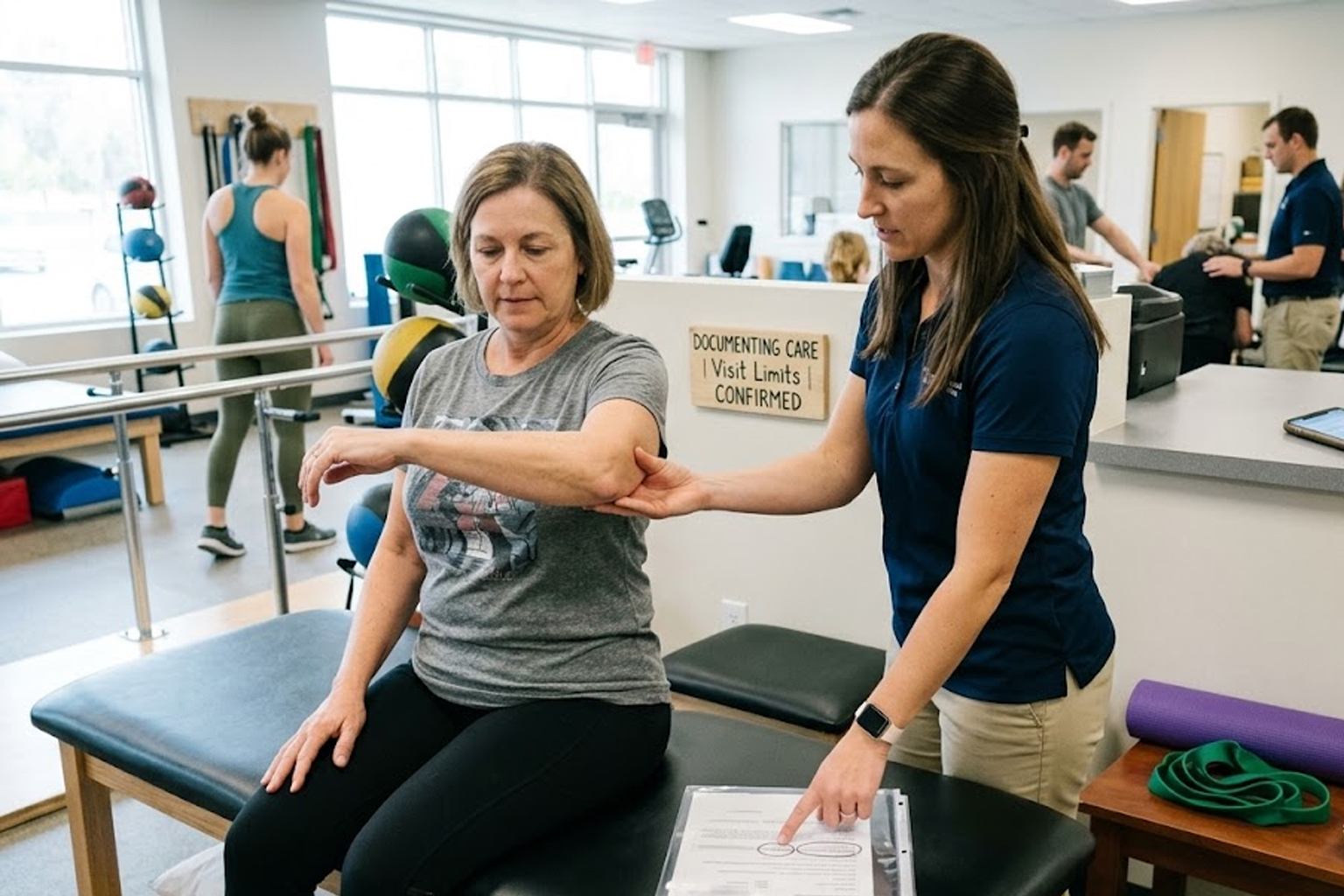
Accident riders, short‑term disability, or supplemental policies can reduce out‑of‑pocket exposure for more severe injuries. Rehabilitation coverage varies widely: some plans cap physical therapy visits or require a therapy network that differs from primary care networks. If guests use your equipment and are injured, homeowner or renter insurance may intersect with health claims — clarify which policy is expected to pay first. For frequent or high‑risk training, evaluate employer benefits, sports injury add‑ons, or standalone accident insurance.
Compare quotes and read limits carefully; riders often have exclusions that matter for repetitive or elective activities. Small premiums can produce big savings if you end up needing extended care.
Conclusion
Before you exercise at home, review benefits, network rules, and any exclusions that apply to activity‑related injuries.
Keep thorough records and submit claims promptly to avoid denials or delays.
Consider supplemental accident or rehab coverage if your home gym increases the likelihood of needing care.