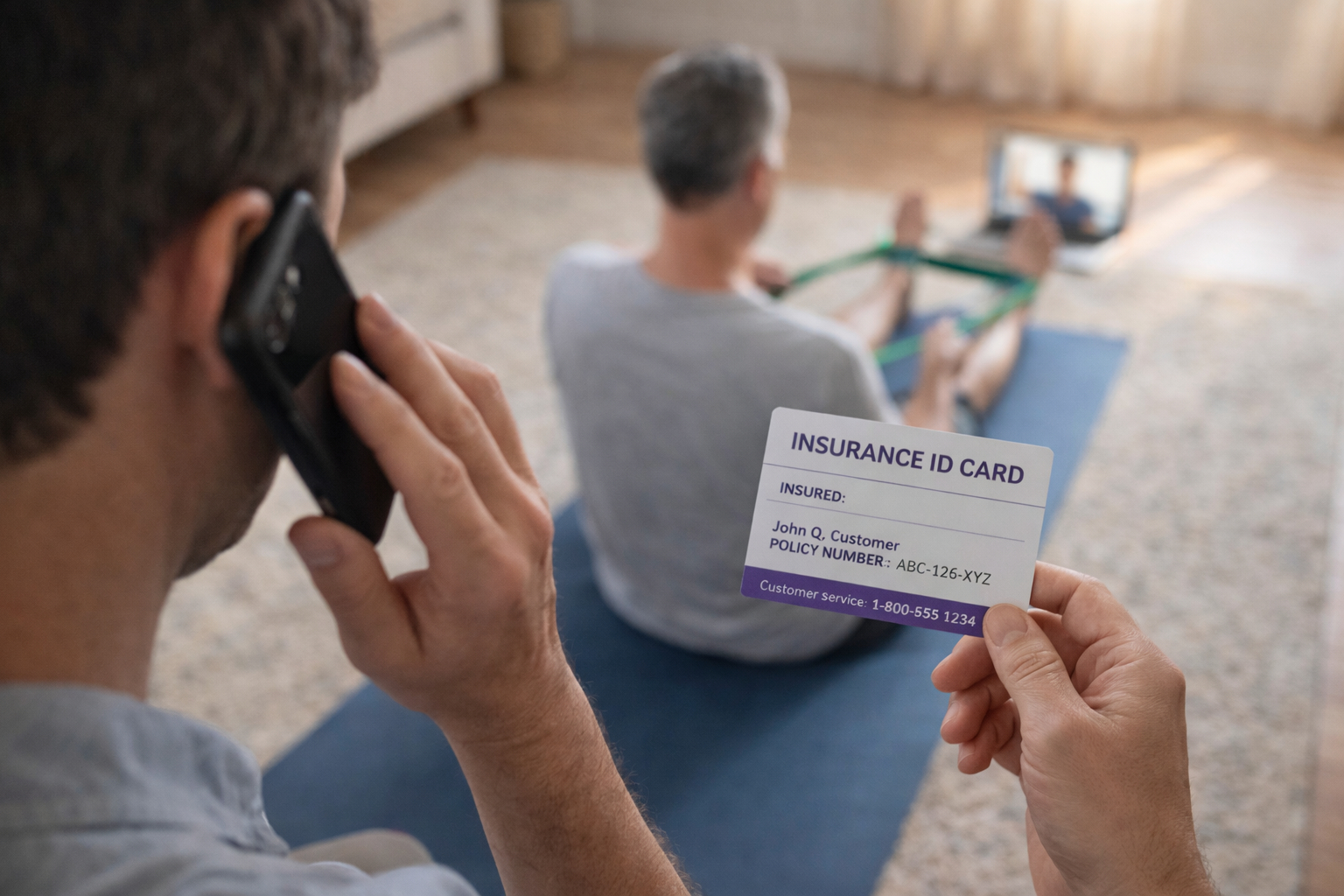
Working out at home is convenient, cost-effective, and increasingly popular, but it carries injury and recovery risks that are often overlooked. Choosing a health plan that supports rehabilitation, telehealth access, and out-of-network flexibility can make a meaningful difference in outcome and cost. This article outlines practical policy features and strategies to help you prioritize recovery when training in a home environment. Use these points to compare plans and make informed choices that protect your health and training continuity.
Why recovery-focused coverage matters
When an injury occurs during a home workout, the pathway from acute care to full recovery can involve multiple services: emergency evaluation, imaging, specialist visits, physical therapy, and sometimes durable medical equipment. Plans that limit access to these services or impose high cost-sharing can slow recovery, reduce adherence to rehab programs, and increase long-term costs. Prioritizing coverage that reduces barriers to timely interventions helps protect function and prevents recurrent problems. For active people, efficient recovery preserves fitness gains and reduces the chance of chronic limitations.
Examining how a policy handles each stage of care is essential. Look beyond premiums and focus on network access, prior authorization requirements, and therapy limits to understand real-world recovery support.
Policy features to prioritize
Several specific benefits and provisions can improve recovery prospects after a home fitness injury. First, check physical therapy visit limits and whether additional sessions are allowed when medically necessary. Second, review imaging and specialist referral policies to ensure timely diagnostics and expert input. Third, confirm coverage for durable medical equipment and home health services if needed for short-term support. Fourth, evaluate out-of-network allowances and whether emergency or specialist care requires pre-authorization.
- Generous therapy visit caps or no caps.
- Easy access to specialists and imaging.
- Telehealth coverage for early triage and follow-up.
These features work together: timely diagnosis, accessible therapy, and supportive home care form the backbone of effective recovery plans.
Using telehealth and rehab benefits effectively
Telehealth can be an efficient first step after a minor injury, offering rapid assessment and guidance on self-care or the need for in-person care. Many plans now include virtual visits with primary care or physical therapists, which reduce delays and help maintain treatment momentum. When in-person therapy is required, verify provider network options and whether providers offer flexible scheduling that fits your routine. Also ask about pre-authorization processes and documentation requirements to avoid unexpected denials.
Proactively coordinating care between your primary provider, therapist, and any specialists speeds recovery and minimizes administrative hurdles. Keep records of referrals and authorization approvals to simplify claims and appeals if disputes arise.
Conclusion
Choosing a plan that emphasizes timely rehab, flexible access, and clear authorization rules supports better recovery outcomes for home exercisers.
Review therapy limits, telehealth options, and equipment coverage carefully when comparing policies.
A proactive approach to benefits selection reduces downtime and protects long-term fitness goals.