

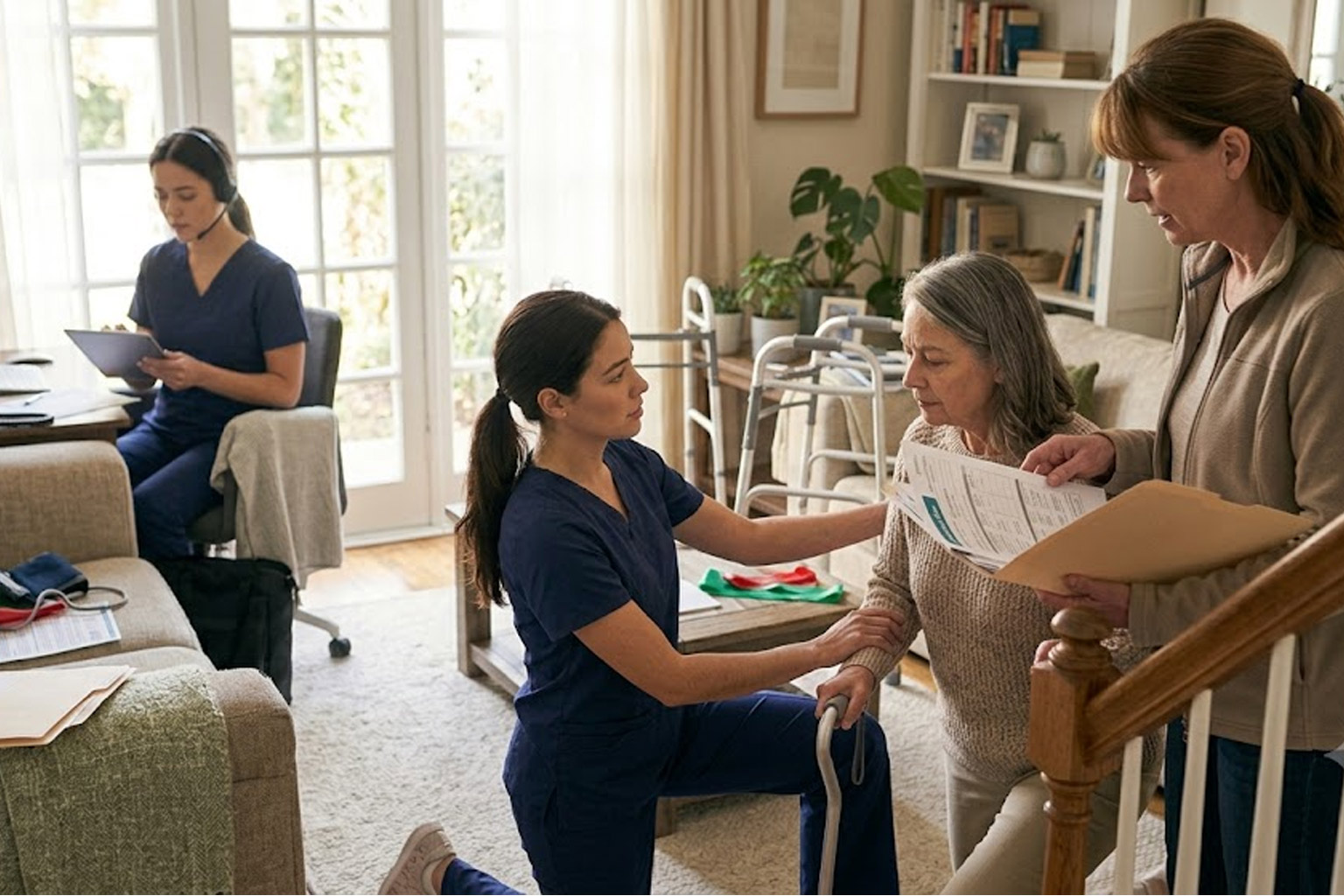
Home-based rehabilitation can bridge the gap between hospital care and independent living while reducing travel and exposure risks.
Understanding how medical insurance applies to equipment, therapy, and home health visits helps families make informed decisions.
This article explains common coverage categories, documentation strategies, and practical steps to improve the success of claims.
Clear communication with clinicians and insurers often determines whether services are approved and reimbursed.
Understanding your policy coverage
Policies differ in scope and terminology, and familiarizing yourself with plan documents is the first step toward effective use of benefits. Many plans categorize benefits into durable medical equipment (DME), home health, and outpatient therapy; each may have separate rules for eligibility, limits, and cost sharing. Authorizations, frequency caps, and network restrictions are common, and some services require prior approval before care begins. Reviewing exclusions and appeal rights in advance reduces surprises when submitting claims.
Documenting medical necessity for claims
Insurers typically cover services that are medically necessary and reasonable, so gathering strong documentation is essential for approvals. A clear prescription or referral from a treating clinician that specifies the condition, goals, and expected duration strengthens a claim. Progress notes, functional assessments, and objective measures such as mobility scores or pain scales help justify ongoing therapy or equipment needs. These records also support appeals if initial requests are denied.
– Physician prescription or referral detailing diagnosis and goals
– Therapy evaluations and progress notes demonstrating improvement or need
– Equipment specifications and supplier invoices showing medical purpose
A concise packet of these documents streamlines review and enables faster decisions by claims administrators.
Working with providers and the appeals process
Coordinating with therapists, home health agencies, and durable medical equipment providers makes it easier to assemble the required paperwork and obtain prior authorizations. Providers experienced with insurance procedures can submit clinical summaries and peer-to-peer explanations that clarify the treatment plan for reviewers. If a claim is denied, follow the plan’s appeals timeline and supply any additional information requested, including letters from treating clinicians or external assessments. Persistence, accurate documentation, and timely communication are often sufficient to overturn initial denials.
Conclusion
Understanding policy language and documenting clinical need are the most effective steps toward successful home-based rehabilitation coverage. Partnering with clinicians and suppliers to obtain proper authorizations and records reduces delays and denials. With preparation and clear communication, patients and families can better access the care they need at home.










