Chronic illnesses such as diabetes, heart disease, arthritis, and respiratory conditions are becoming increasingly common, prompting insurers to rethink how they design medical coverage. As healthcare shifts toward long-term condition management rather than crisis response, medical insurance is evolving to better meet the needs of individuals living with chronic conditions. New technologies, data-driven care models, and preventive strategies are shaping a future where chronic illness management is more proactive, accessible, and personalized.
Growing Focus on Preventive and Continuous Care
Insurers are placing greater emphasis on preventive care to reduce long-term costs associated with chronic illnesses. Regular screenings, lifestyle programs, and wellness coaching are becoming standard features in many plans. This shift supports early detection and helps individuals maintain healthier routines. By addressing risk factors before they escalate, insurers create more sustainable coverage and improve overall health outcomes.
Integration of Digital Health Tools and Wearables
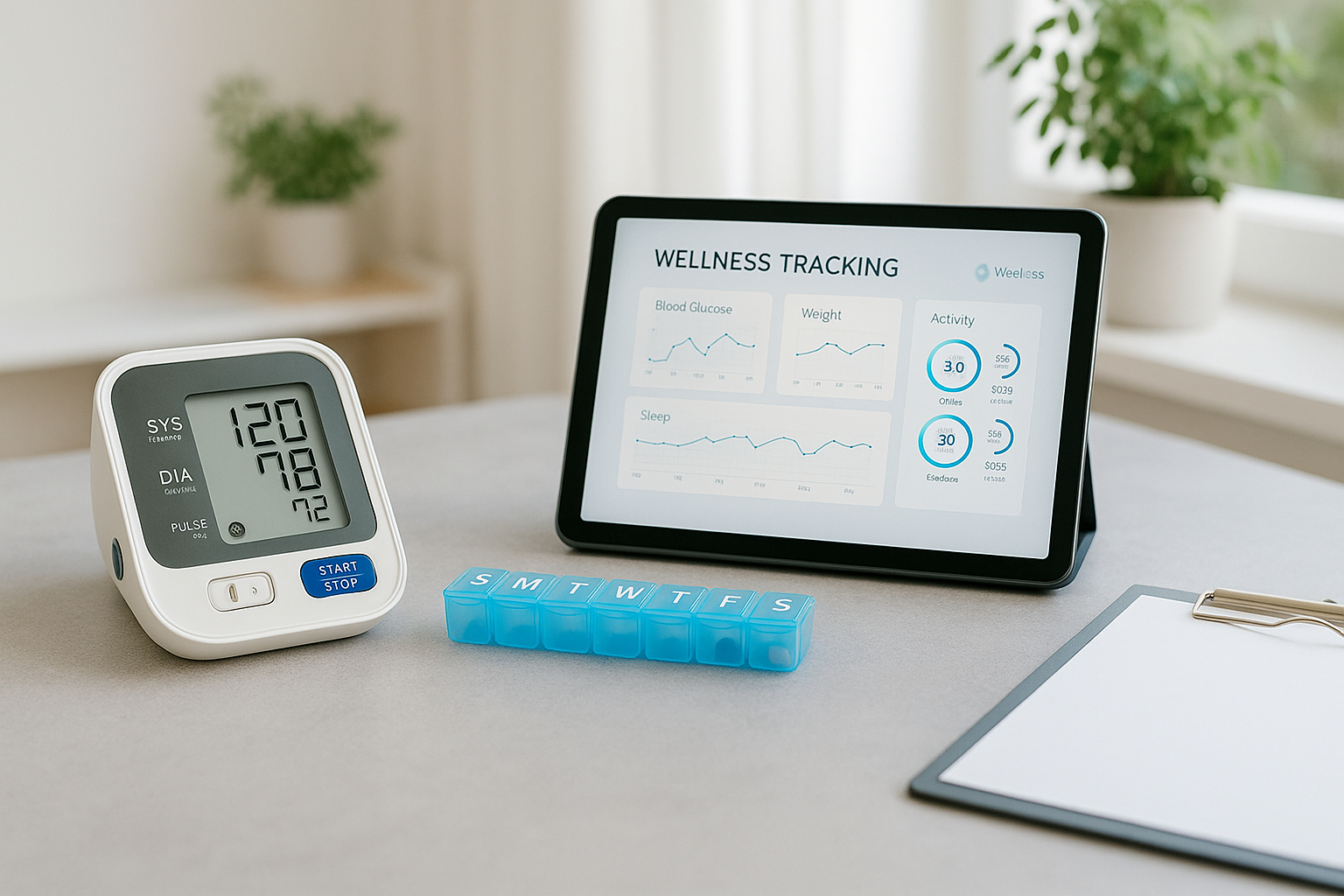
Technology is playing a powerful role in chronic illness management. Wearables and health apps allow patients to track key metrics — such as blood pressure, glucose levels, activity, and sleep — and share this data with healthcare providers. Insurers are increasingly offering incentives for using these tools, as real-time monitoring leads to better adherence, fewer emergencies, and reduced hospital visits. These digital tools create a continuous loop of insight that benefits both patients and insurers.
Personalized Care Plans Based on Data Insights
Data analytics allows insurers to create tailored care plans based on individual health patterns. Instead of a one-size-fits-all approach, plans now reflect specific needs, risk levels, and lifestyle factors. This personalization helps improve medication adherence, reduce flare-ups, and minimize complications. It also allows insurers to forecast future risks more accurately, making coverage more efficient and cost-effective.
Expanded Access to Telemedicine and Remote Monitoring
Telemedicine has become a cornerstone for chronic illness care. Virtual consultations make it easier for individuals to check in with specialists without frequent office visits. Many insurers now cover remote monitoring devices that alert providers to concerning changes. This accessible model of care reduces gaps in treatment, lowers costs, and allows patients to receive continuous support from the comfort of home.
Incentives for Healthier Habits and Lifestyle Changes
To encourage long-term health, insurers are offering rewards for meeting wellness goals or participating in disease management programs. These incentives may include lower premiums, free preventive screenings, or access to nutrition and fitness coaching. By encouraging healthier habits, insurers help individuals manage their conditions more effectively while reducing high-cost claims.
Conclusion
Medical insurance for chronic illness management is evolving rapidly, driven by technology, data insights, and a growing emphasis on preventive care. As insurers adopt more personalized and digital-first solutions, individuals living with chronic conditions gain access to more supportive, flexible, and effective coverage. These trends promise a future where managing chronic health challenges becomes easier, more proactive, and centered on long-term well-being.