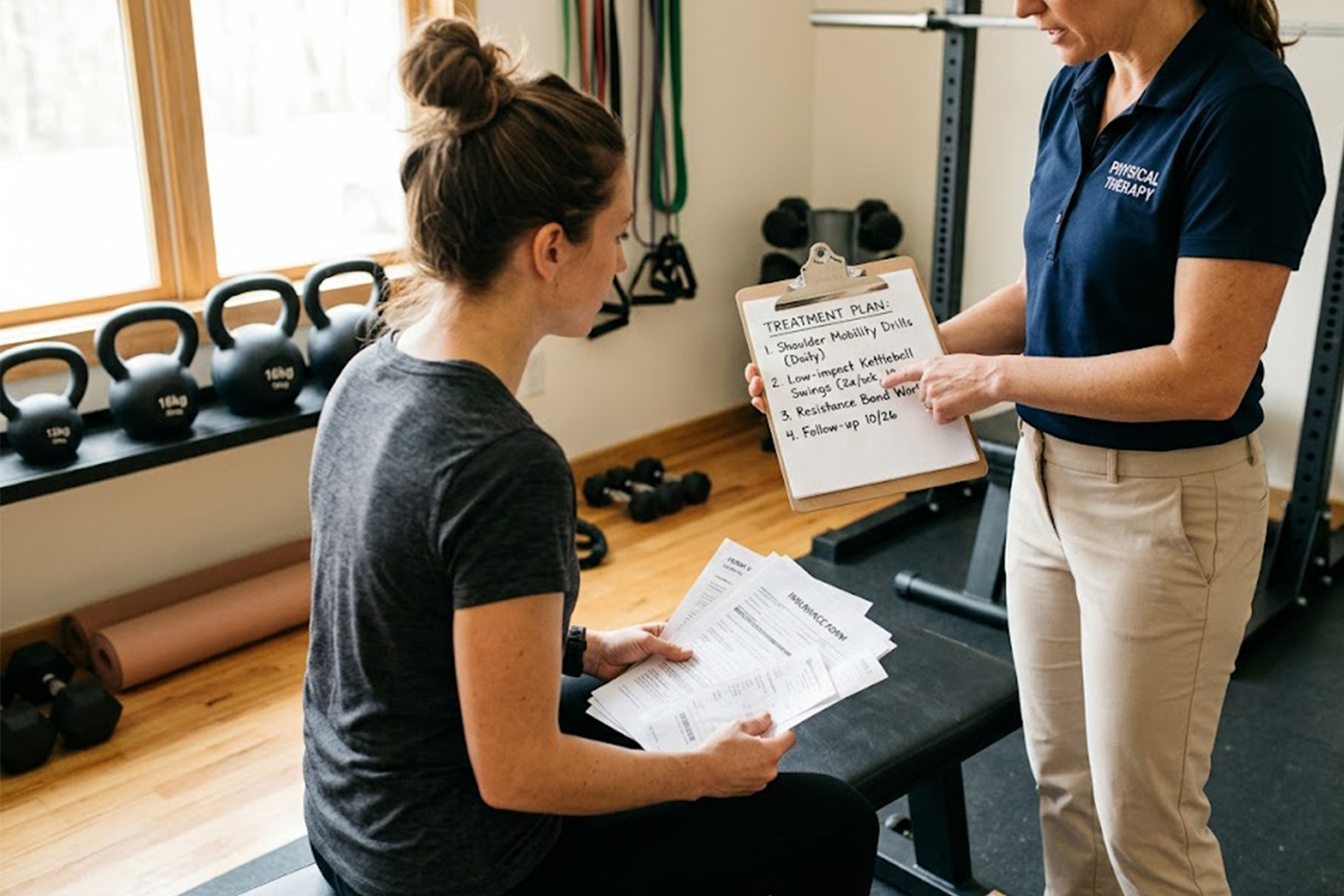
Setting up and maintaining a home gym brings convenience and control over your fitness routine, but it also introduces questions about medical coverage when accidents happen. Understanding which parts of your health plan apply to injuries, preventive care, and virtual consultations helps you avoid surprises after a fall or strain. This article highlights the key insurance considerations home gym owners should review before they train, purchase equipment, or start a new program. Keep these points in mind to make informed choices about coverage that supports your active lifestyle.
Assessing Your Policy Basics
Start by reviewing your policy’s core elements: deductibles, copays, out-of-pocket limits, and network rules. These details determine how much you pay for urgent care visits, imaging, or specialist appointments if you injure yourself using equipment at home. Also check for any exclusions related to sports or high-risk activities; some plans treat repetitive strain or elective procedures differently. Finally, confirm how emergency care versus urgent care is covered, since appropriate venue choice can significantly affect costs.
Compare plan options against your typical gym usage and any chronic conditions that might require ongoing treatment. Knowing where costs may mount helps you pick the right balance of premium versus out-of-pocket exposure.
Preventive Care and Telehealth Benefits
Preventive services and telehealth are increasingly valuable for people who train at home, offering early guidance without full clinic visits. Many plans include coverage for preventive screenings, counseling, and virtual appointments that can address soreness, technique, or early injury signs. Check whether telehealth visits are in-network, whether there is a separate copay, and whether physical therapy consults are eligible online. Plans that emphasize preventive care can reduce the need for more costly interventions later.
Assess whether your insurer covers exercise-related preventive programs or wellness reimbursements; these benefits often pair well with a disciplined home fitness routine.
Handling Injuries, Rehab, and Equipment Concerns
When an injury occurs, understanding how to document and file claims is crucial to avoid denials. Seek immediate care as appropriate, get clear medical records that link the incident to treatment, and follow provider referral rules for specialist or rehabilitation coverage. Evaluate whether your plan covers physical therapy sessions, durable medical equipment, or home modifications required after a serious injury. If you use a personal trainer or streaming program, note that those services are generally not covered unless provided through a clinical channel.
Keep receipts, treatment notes, and provider recommendations handy when submitting claims, and contact your insurer promptly if a claim is denied to explore appeal options.
Conclusion
Review policy details against actual home gym activities to spot coverage gaps and adjust accordingly. Prioritize plans with strong preventive, telehealth, and rehabilitation benefits to support recovery and long-term fitness. Being proactive with documentation and provider choices reduces surprises if you ever need care after a home workout.