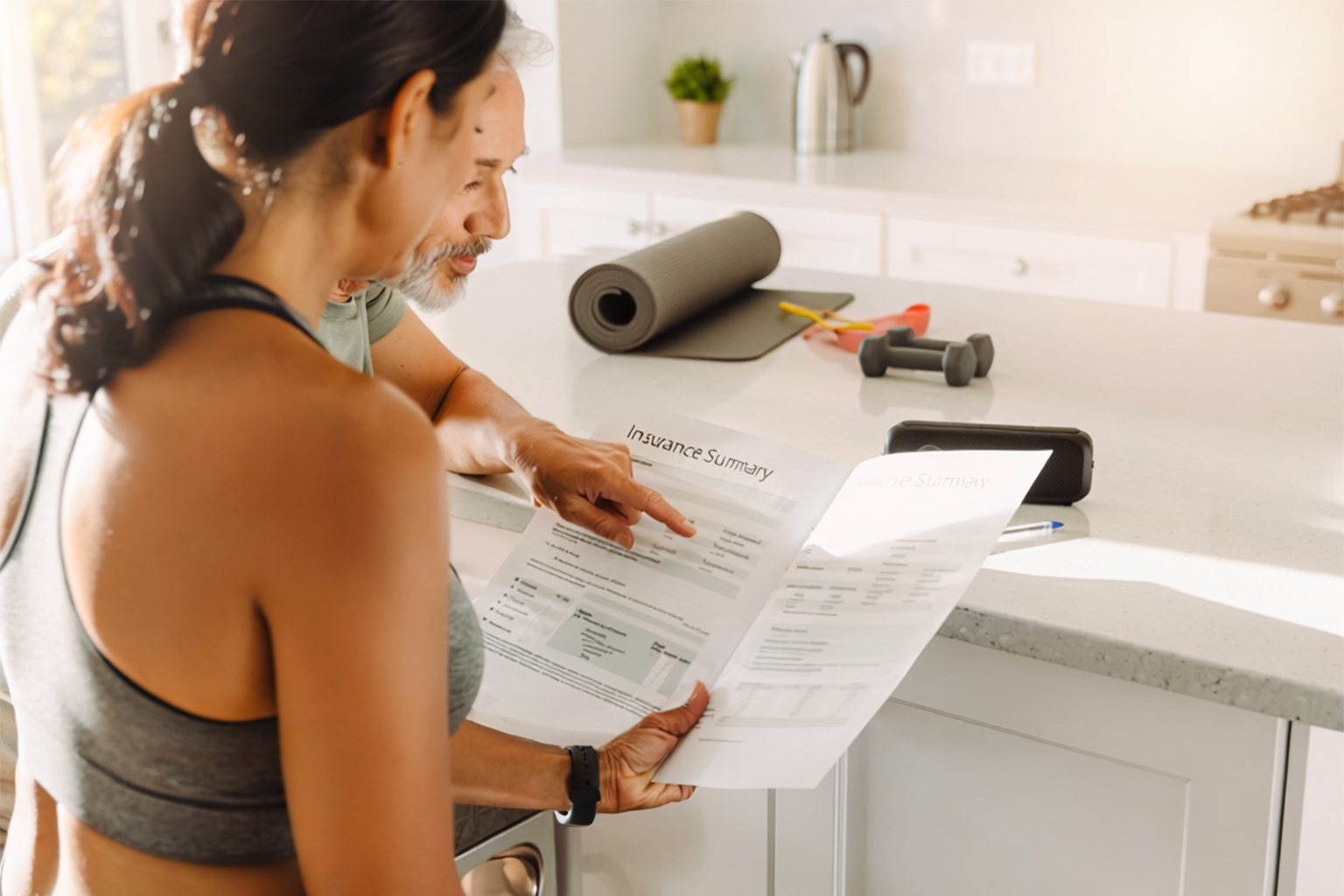
Selecting the right medical insurance is an important decision for people who prioritize home-based fitness and preventive health. A well-chosen plan can support routine care, telehealth consultations, rehabilitation services, and programs that encourage ongoing activity. Understanding how different benefits interact with your exercise routines—like coverage for physical therapy or wearable device rebates—helps you avoid surprises when care is needed. This article outlines practical considerations to align insurance choices with an active, home-centered lifestyle.
Whether you train at home full-time or supplement gym time with virtual coaching, policy details matter for both access and cost. Use the checklist below to compare plans efficiently.
Understanding Policy Basics
Start by reviewing premiums, deductibles, co-pays, and out-of-pocket maximums to estimate yearly costs. Network restrictions determine which providers and specialists are covered, and out-of-network care can be significantly more expensive. Prescription drug coverage and prior authorization rules can affect access to medications or supplies needed for recovery from injuries. Also check whether your plan includes telemedicine options, which are often useful for fitness-related consultations.
Being clear on these core elements creates a realistic budget for health care combined with fitness expenses. Keep a summary of these points when comparing quotes.
Evaluating Coverage for Fitness-Related Care
Look for benefits that support preventive care and recovery, such as physical therapy, chiropractic services, and durable medical equipment. Some plans include wellness incentives, discounted gym memberships, or reimbursements for fitness trackers and virtual programs. If you have chronic conditions or prior injuries, verify coverage for specialist visits and ongoing therapy to prevent setbacks. Pay attention to limits on visits per year and any required referrals from primary care.
- Physical therapy sessions and visit limits
- Telehealth and virtual coaching reimbursements
- Durable medical equipment and brace coverage
These details determine how smoothly you can transition from an injury back to exercise or maintain preventive routines. Ask insurers for the policy language around these benefits to avoid surprises.
Practical Tips to Lower Premiums and Maximize Value
Consider higher deductibles combined with health savings accounts if you are generally healthy and manage routine care at home. Compare in-network preventive care options that are free or low-cost, including annual checkups and lifestyle counseling. Use available wellness programs to earn premium discounts or reimbursements, and bundle family coverage when it reduces per-person cost. Lastly, review annual plan changes during enrollment periods to adapt coverage as your fitness habits evolve.
Smart adjustments can reduce long-term costs without sacrificing key benefits. Keep records of expenses and benefits to make informed choices each year.
Conclusion
Choose policies that support active living.
Review benefits annually and ask questions before enrolling.
Align coverage with your home fitness goals.