Many people build home gyms without first checking how their medical coverage applies to at-home injuries. Small accidents, overuse issues, and equipment mishaps can create surprising bills and administrative hurdles. Spending a little time on insurance review reduces the chance of unexpected out-of-pocket costs later. Below are practical, policy-focused steps to help you prepare.
Identify common home gym risks
Start by listing the most likely injuries related to your planned routine, such as strains, falls, lacerations, or repetitive stress problems. Consider equipment-related scenarios and the intensity or frequency of workouts that may increase risk. Note any pre-existing conditions that might affect coverage or claim outcomes. This risk inventory will guide which policy details to scrutinize next.
Knowing likely injuries helps target conversations with providers and justify care if you need to file a claim. It also informs choices about safety gear and exercise progression to reduce claims risk.
Check policy specifics that matter
Look for language on emergency care, urgent care, telehealth, and rehabilitation services, since those determine where you’ll seek treatment. Verify whether durable medical equipment, physical therapy, and imaging are covered and whether prior authorization is required. Pay attention to network restrictions and out-of-pocket maximums that apply to injury care. Confirm any exclusions that mention self-inflicted or high-risk activities.
Clear knowledge of covered services and limits speeds decision-making after an injury. It also helps you estimate potential costs before committing to high-risk equipment.
Document injuries and follow insurer expectations
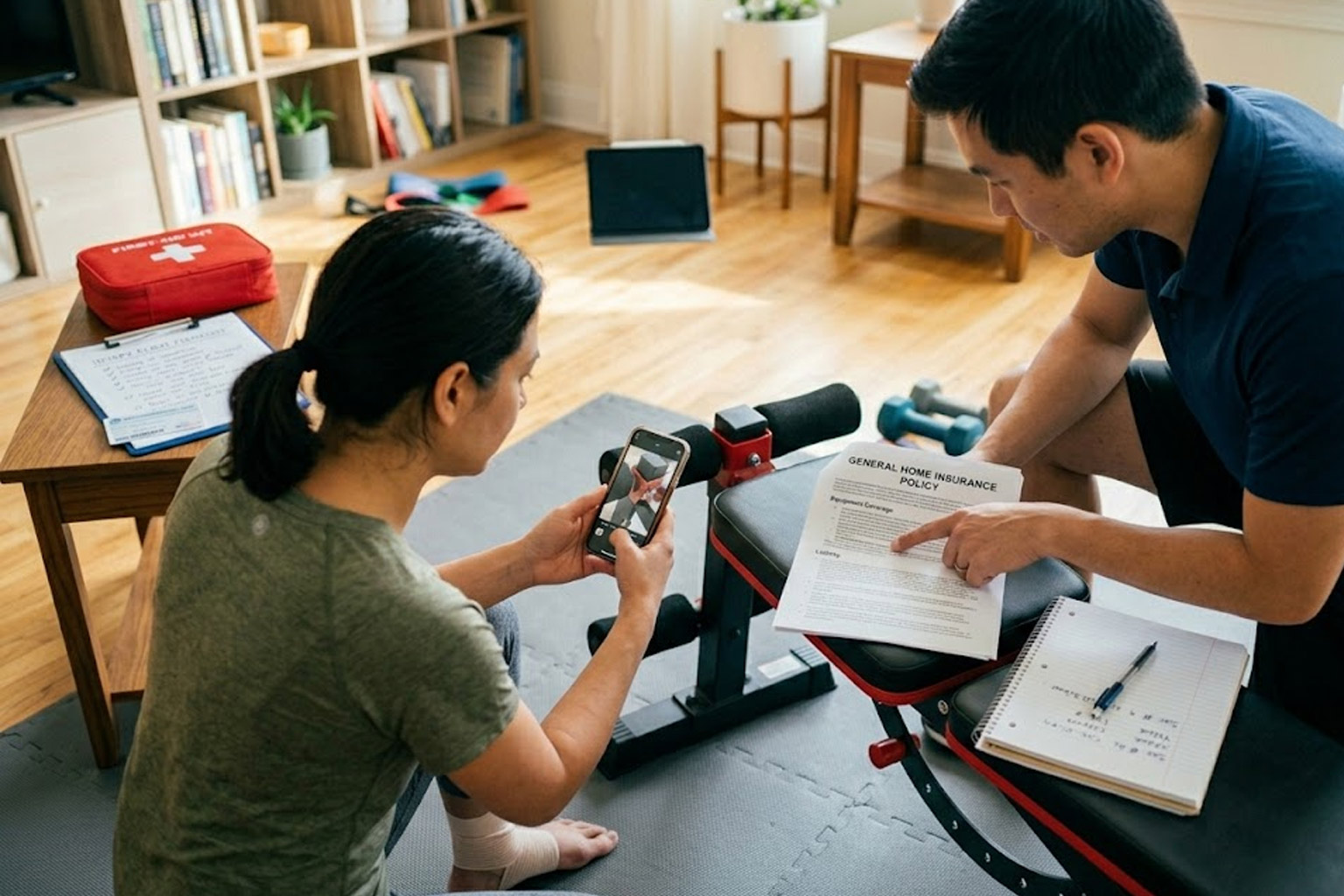
If an incident occurs, act promptly: record what happened, take photos, get medical evaluation, and keep receipts and provider notes. Insurers typically expect timely documentation and a clear treatment timeline linking the activity to the injury. Understand your plan’s claim filing deadlines and maintain copies of communications with clinicians and the insurer. Organized records improve the likelihood of a smooth claim review.
Good documentation preserves treatment continuity and supports appeals if a claim is denied. Make a digital folder to store all related files for quick access.
Practical steps to reduce costs and prepare
Invest in prevention: quality mats, proper footwear, professional setup, and gradual progressions lower injury odds and keep claims rare. Use preventive benefits, wellness programs, and telehealth to address minor issues early. Consider a health savings account or secondary insurance if you anticipate higher treatment needs. Finally, discuss workplace or homeowner policy intersections if household members use shared equipment.
Combining preventive practices with a clear insurance plan reduces financial surprises. Preparation lets you focus on fitness rather than coverage uncertainty.
Conclusion
Review your policy for emergency, rehab, and equipment coverage and note any exclusions.
Document injuries promptly and keep clear records of treatment and costs.
Take prevention seriously and discuss gaps with your insurer before you set up equipment.