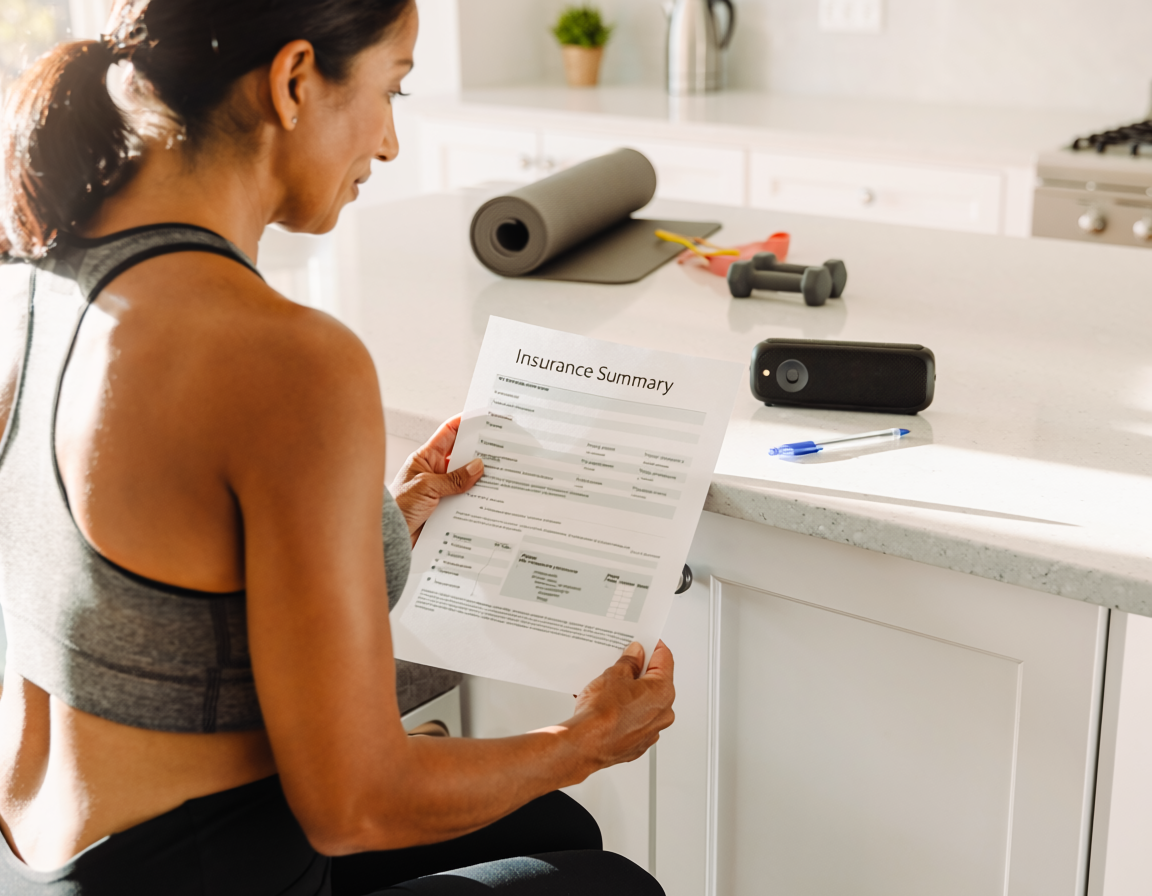
Balancing a home workout routine with appropriate medical coverage helps protect both health and finances. Knowing which benefits support prevention, minor injuries, and chronic condition management makes care more accessible when you train at home. This article outlines practical considerations to align your policy with a home-based fitness lifestyle. Use these ideas to evaluate gaps and conversations to have with insurers or brokers, with simple practical next steps.
Why coverage matters for home-based exercise
Home exercise reduces long-term health risks but can also lead to occasional strains or the need for physical therapy. Insurance policies differ in how they cover outpatient rehabilitation, diagnostic imaging, and urgent virtual consultations. Understanding those differences helps you plan when an injury or flare-up occurs. It also clarifies whether devices or durable medical equipment related to recovery may be eligible for reimbursement.
Review claim examples or ask for policy summaries that show common outpatient scenarios. That context makes it easier to estimate out-of-pocket exposure when you rely on home training.
Key policy features to prioritize
When evaluating plans, prioritize preventive care benefits, access to telemedicine, and coverage for rehabilitative services. Preventive visits and wellness screenings can catch issues before they limit your exercise routine. Telehealth options reduce downtime after minor concerns and often complement virtual training. Meanwhile, clear physical therapy benefits determine how quickly you can return to normal activity after an injury.
- Preventive care and annual wellness exams
- Telemedicine and virtual specialist access
- Physical therapy and outpatient rehabilitation limits
Check limits on the number of visits, preauthorization rules, and network restrictions. These details influence both convenience and cost when you need care related to workouts.
Practical steps to match your policy to routines
Start by auditing your current plan for the features above and noting any exclusions that affect athletic activities. Keep records of training programs, any guidance from certified trainers, and receipts for equipment if you pursue reimbursement routes. Consider flexible spending accounts, health savings accounts, or wellness stipends that can offset preventive tools or minor care. Finally, maintain an open line with your primary care provider to document injuries and referrals promptly.
Having documentation and an understanding of claims processes speeds reimbursements and reduces surprise bills. Small administrative steps protect both recovery and the momentum of your home fitness efforts.
Conclusion
Aligning insurance with home fitness is about anticipating needs and minimizing barriers to care. Prioritize preventive benefits, telehealth, and rehabilitation when comparing plans. Small adjustments to coverage and recordkeeping make staying active safer and more sustainable.