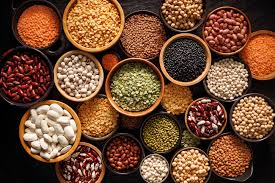
The 2025–30 US Dietary Guidelines for Americans Advisory Committee has recommended listing pulses before meat, poultry, and eggs in the Protein Food Group as a potential protein source. However, a recent study published in Frontiers in Nutrition indicates that, except for Mexican Americans, overall pulse intake is low in the United States and that sociodemographic and socioeconomic characteristics significantly influence pulse intake trends.
Background
Pulses, including beans, lentils, chickpeas, and dried peas, are good sources of plant proteins, dietary fibers, and micronutrients. Compared to various animal protein sources, pulses are affordable and beneficial for human and planetary health.
To promote plant-based diets in the United States, the 2025–30 US Dietary Guidelines for Americans Advisory Committee has recommended moving pulses from the Vegetable Food Group to the Protein Food Group and placing them above meat, eggs, and poultry as potentially healthier plant protein sources.
An accurate analysis of existing pulse intake patterns in the United States is essential in determining public acceptance and adherence to the current dietary guidelines. Previous studies have estimated population-level pulse intake using short-term data and reported significant variations by education and ethnicity.
In the current study, researchers used data obtained from the National Health and Nutrition Examination Survey to explore pulse intake trends in the United States from 1999 to 2018. They also assessed whether sociodemographic and socioeconomic characteristics and pulse types influence pulse intake trends.