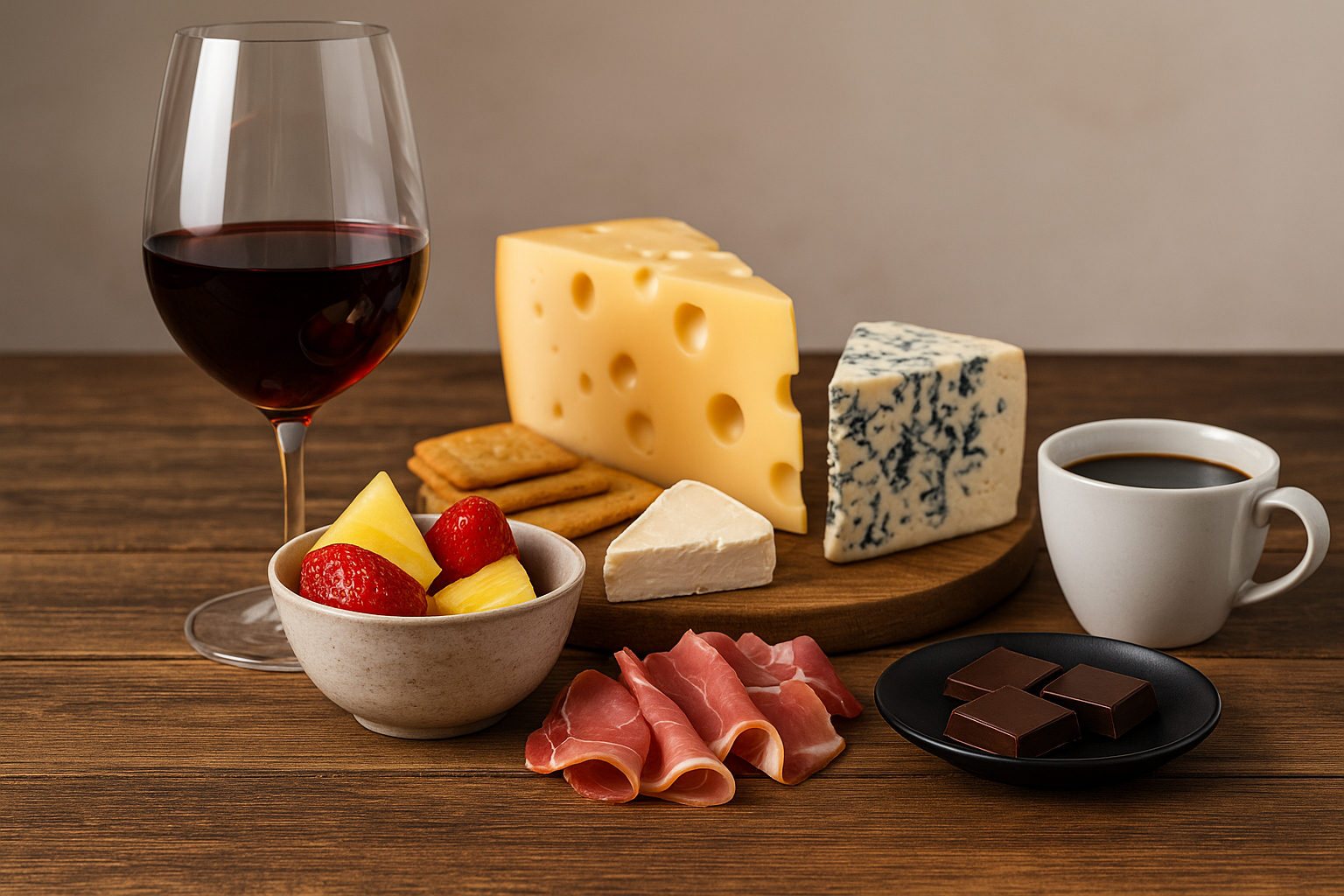
Food pairing is more than just combining ingredients—it’s about creating harmony on the palate. The right pairings can elevate simple dishes, enhance flavors, and even introduce you to new culinary experiences. If you’re just starting out, don’t worry: mastering the basics of food pairing is fun, creative, and surprisingly simple.
Why Food Pairing Matters
Our taste buds respond to different flavors—sweet, salty, sour, bitter, and umami. When these are balanced, the eating experience becomes more enjoyable. Good food pairing ensures no single flavor overwhelms the others, but instead, they work together to enhance the dish.
Basic Principles of Food Pairing
-
Balance Flavors: Pair rich foods with something acidic or fresh. For example, creamy pasta goes well with a tangy tomato salad.
-
Complementary Textures: Mixing crunchy and soft adds excitement. Think crispy fries with a juicy burger.
-
Sweet and Savory: A little sweetness balances saltiness—like honey with cheese or fruit with cured meats.
-
Regional Matches: Foods from the same region often go well together, like Italian pasta with Italian wine.
-
Contrast for Depth: Spicy dishes cool down beautifully with yogurt or coconut milk.
Examples for Beginners
-
Wine and Cheese: Bold cheeses pair with rich wines, while lighter cheeses go with crisp whites.
-
Fruit and Protein: Apples with pork or pineapple with chicken create refreshing contrasts.
-
Chocolate and Coffee: Both share similar bitter and roasted notes, making them a natural match.
Tips to Get Started
-
Experiment in small ways—add a fruit to your salad or try a new sauce with your protein.
-
Trust your senses: if it smells good together, it often tastes good together.
-
Keep a journal of pairings you enjoy to build confidence.
Final Thoughts
The art of food pairing doesn’t require fancy skills—just curiosity and practice. By learning to balance flavors, textures, and contrasts, even beginners can transform everyday meals into memorable dining experiences.