Introduction
Making healthier food choices at home doesn’t require drastic changes or elaborate recipes. Small, consistent adjustments to what you buy and how you prepare meals add up over weeks and months. This article outlines practical habits that reduce decision fatigue and improve nutrition without adding extra time. Use these approaches to build a sustainable routine around food that supports energy and wellbeing.
Plan with Purpose
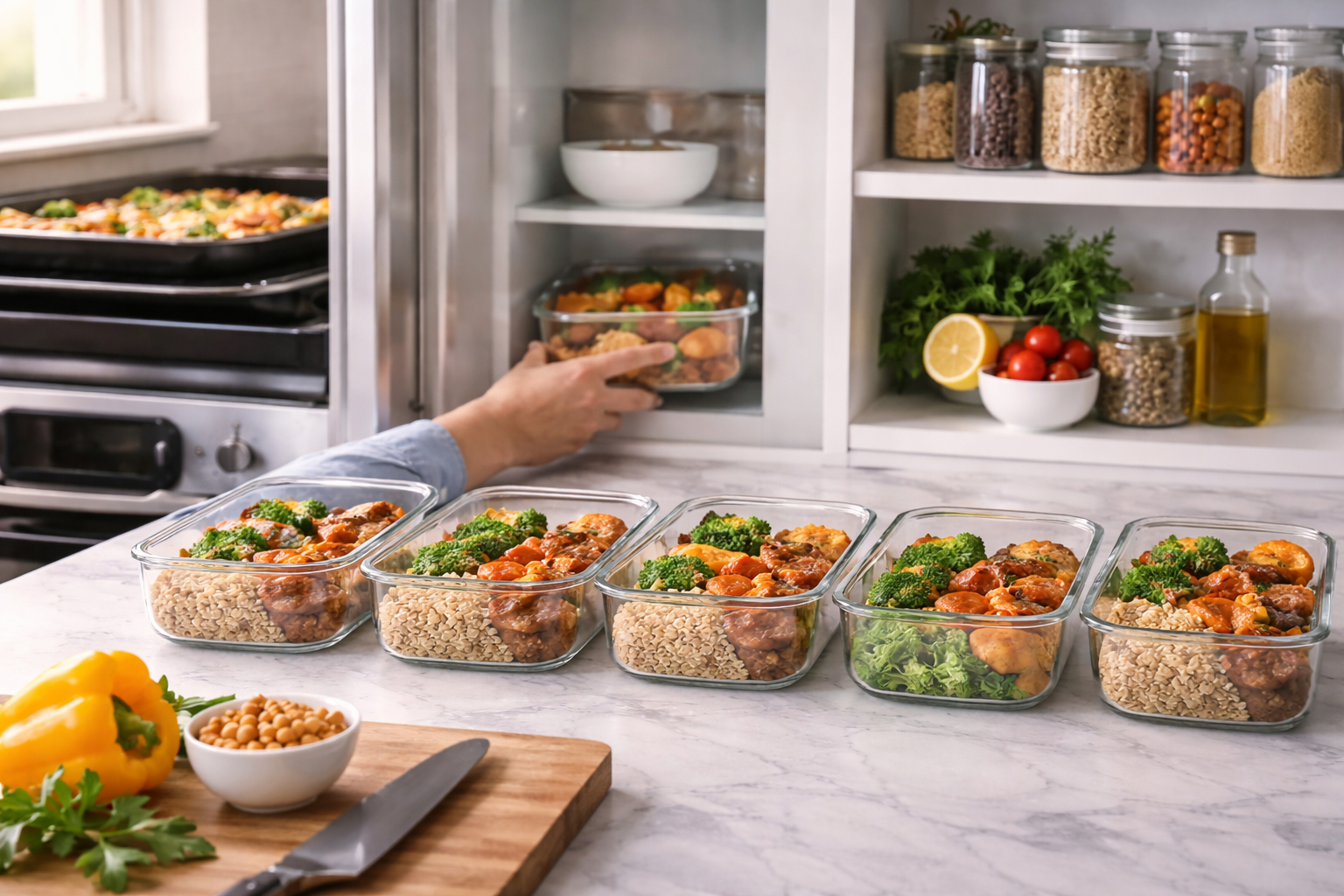
Start weekly by choosing two or three core meals you enjoy and can prepare reliably. Planning reduces last-minute convenience choices and helps you buy only what you need, lowering waste and tempting takeout. Aim to batch-cook components—grains, roasted vegetables, a lean protein—that mix and match across plates. Keep your plan flexible so it adapts to schedules and what’s available at the market.
Set simple rules that guide your grocery list: one fresh vegetable, one whole grain, one protein for each planned meal. These guardrails speed decisions and keep meals balanced without strict meal templates.
Smart Ingredient Choices
Prioritize ingredients that are versatile, minimally processed, and shelf-stable when possible. Canned beans, frozen vegetables, and whole grains offer convenience and nutrition at low cost. Fresh produce is important, but frozen options often preserve nutrients and reduce spoilage. Choose cooking oils with stable profiles for routine use and save specialty fats for occasional flavoring.
- Swap refined grains for whole grains at least three times a week.
- Use legumes or eggs as affordable, nutrient-dense proteins.
- Incorporate a colorful vegetable at each meal for fiber and micronutrients.
Simple swaps like these make a measurable difference and integrate easily into existing habits. Over time they shift your default plate composition toward more fiber and fewer empty calories.
Efficient Cooking Routines
Create repeatable cooking patterns that fit how much time you have each day. If evenings are busy, use a longer weekend session to prepare staples you can reheat and combine. Keep a small set of go-to recipes that vary by seasoning and accompaniments to avoid boredom. Tools such as a sheet pan, a rice cooker, or a slow cooker can expand options while reducing hands-on time.
Label containers with dates and rotate older items to the front of the fridge so nothing gets forgotten. Establishing a short cleaning and prep routine after each meal keeps the kitchen ready and lowers the activation energy for the next cooking session.
Conclusion
Small, intentional habits make healthy home eating manageable and long-lasting.
Focus on planning, versatile ingredients, and efficient routines to reduce friction.
Consistency in these areas leads to better energy, lower waste, and simpler choices.