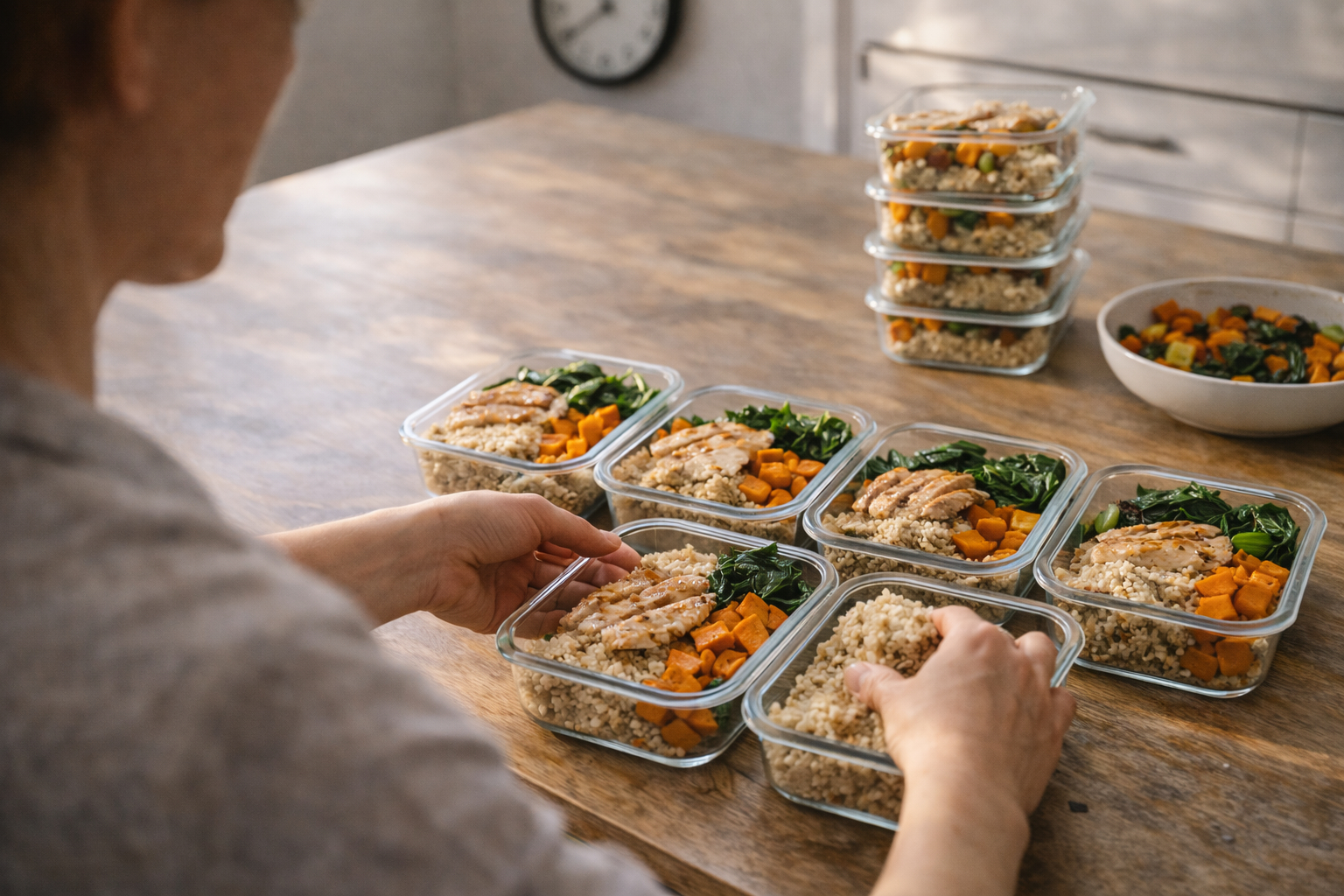
Balanced eating at home doesn’t have to be complicated. Small adjustments to portion sizes and meal timing can improve energy, appetite control, and recovery from workouts. Focusing on simple principles makes it easier to maintain healthy habits over the long term. This article outlines practical approaches you can use today to shape more consistent, nutritious meals.
Why Portioning and Timing Matter
Portion control helps align calorie intake with daily activity while timing influences how your body uses energy throughout the day. Eating appropriate amounts at regular intervals supports steady blood sugar, reduces overeating, and improves concentration. For people who exercise at home, timing carbohydrates and protein around workouts can help performance and recovery. Understanding these effects makes meal choices feel purposeful instead of restrictive.
Adopting portion and timing strategies can also simplify grocery shopping and plate building. Once you set a few rules, decisions become quicker and less stressful, which increases adherence. Consistency, not perfection, is the main goal.
Practical Portioning Rules and Plate Building
Start with a flexible plate model: half vegetables, one quarter lean protein, and one quarter whole grains or starchy vegetables. Use common household items to estimate portions — a fist for carbs, palm for protein, and cupped hand for fats — until you’re comfortable with visual sizing. Adjust portions based on your activity level; active days can include a bit more carbohydrate and slightly larger portions. Keep snacks simple and purposeful, combining protein and fiber to sustain energy between meals.
- Vegetables: fill 50% of the plate for volume and micronutrients.
- Protein: aim for 20–30 grams at main meals, roughly a palm-sized serving.
- Carbs: one fist-sized serving per meal, increase around workouts.
- Fats: 1–2 thumb-sized portions to support satiety and nutrient absorption.
These rules are adaptable; use them to build a baseline and tweak as needed for appetite, goals, and schedule. Over time the visual cues become intuitive and meal prep gets faster.
Planning for Busy Weeks
Batch-cook components rather than entire meals to preserve flexibility: roasted vegetables, grilled proteins, and cooked grains can combine in multiple ways. Schedule two to three prep sessions per week to chop, portion, and store foods in ready-to-use containers. Pairing easy protein sources with quick sides and a raw vegetable keeps meals balanced even on hectic days. Simple sauces or dressings stored separately extend variety and reduce monotony.
Investing a small amount of time upfront saves daily decision-making and lowers the chance of reach-for convenience foods. Keep a short master shopping list focused on versatile ingredients.
Conclusion
Simple portion rules and thoughtful meal timing create reliable energy and better food choices. Small, repeatable habits reduce decision fatigue and support consistent nutrition. Start with one change this week and build from there.