Improving nutrition for home workouts doesn’t require complicated diets or expensive supplements. Focused, consistent habits can help you build strength, support recovery, and maintain energy throughout the day. Small changes to meal composition and timing yield noticeable differences in performance and body composition. This article outlines practical, sustainable strategies you can use immediately.
Balancing macronutrients
For most people who train at home, a balanced intake of protein, carbohydrates, and fats provides the foundation for progress. Protein supports muscle repair and should be included in every main meal, while carbohydrates supply the energy needed for higher-intensity sessions. Healthy fats play a role in hormone function and long-term satiety, so include sources like nuts, seeds, or avocados. Aim for simple plate-based portions rather than strict ratios to make the approach easier to maintain.
- Protein: eggs, lean poultry, dairy, legumes
- Carbohydrates: whole grains, fruits, starchy vegetables
- Fats: olive oil, nuts, seeds, fatty fish
Adjust portions based on workout intensity and personal goals; heavier sessions require more carbohydrates. If weight management is a priority, modest portion adjustments while preserving protein help retain muscle.
Meal timing and pre-workout fueling
When you train at home the timing of meals can influence how you feel during a session and how quickly you recover afterward. A light meal or snack with carbohydrates and some protein about 60–90 minutes before exercise can prevent energy dips and sustain performance. After a workout, prioritize protein and carbohydrates within a couple of hours to support repair and replenish glycogen, especially after intense or long sessions. Hydration timing also matters; sip fluids before and during activity rather than waiting until you feel thirsty.
Experiment with different pre-workout snacks to find what sits well and fuels your training. Consistency in rhythm often produces better results than chasing perfect timing.
Practical snack and meal ideas
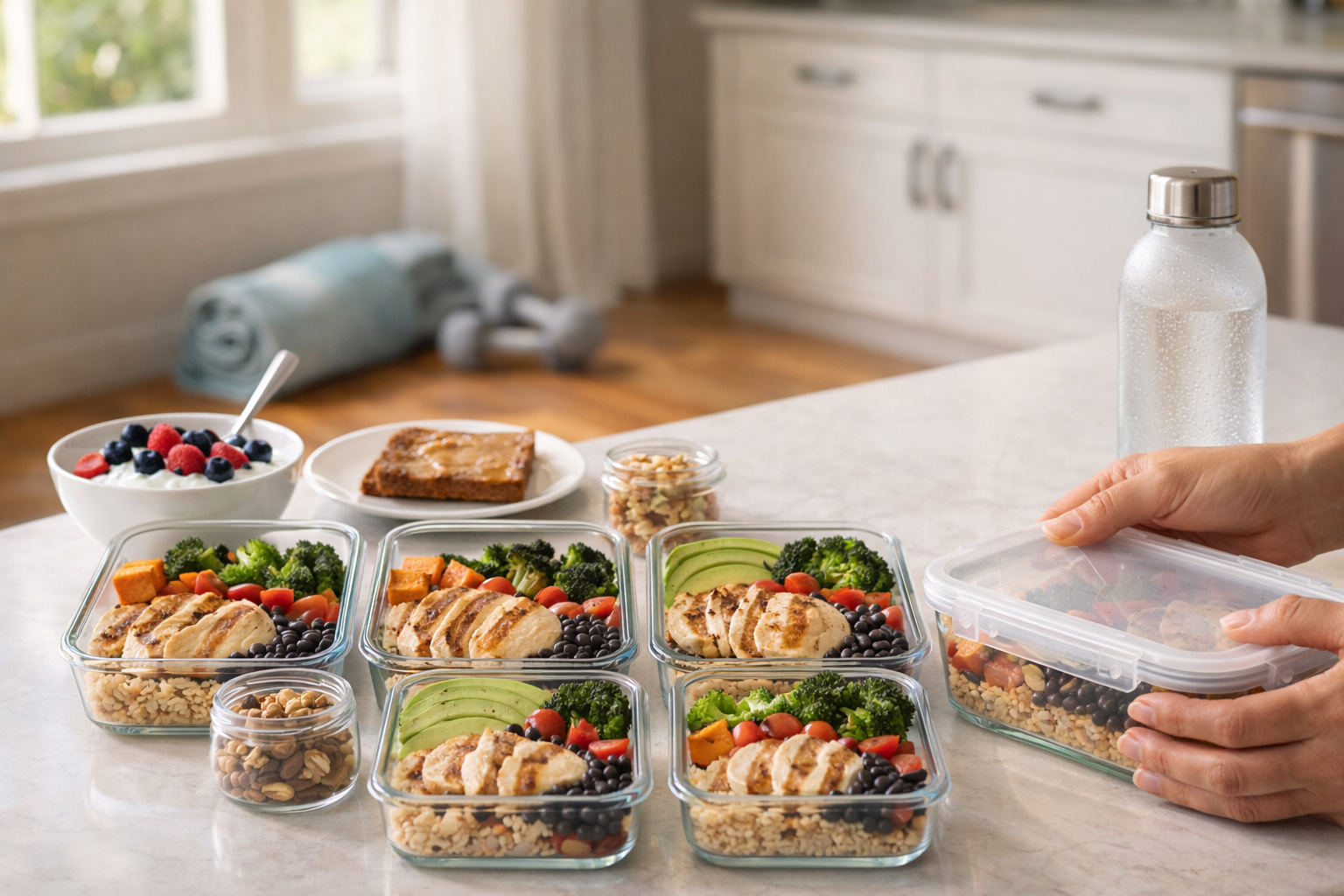
Keep simple, nutritious options on hand to avoid reaching for low-quality convenience foods when time is tight. Meals that combine lean protein, whole grains, and vegetables can be prepared in batches and adapted to multiple training days. Snacks like yogurt with fruit, a handful of nuts and an apple, or a whole grain toast with nut butter provide quick energy and support recovery. Focus on minimally processed choices that you enjoy so adherence becomes effortless.
Batch-cooking and portioning meals reduces decision fatigue and keeps nutrition aligned with fitness goals. Small changes sustained over weeks will compound into meaningful improvements.
Conclusion
Smart nutrition for home training centers on balance, timing, and practical choices that fit your lifestyle. Prioritize protein, include carbohydrates around workouts, and choose whole foods whenever possible. Small sustainable changes deliver steady performance and recovery benefits over time.