Creating a sustainable nutrition approach is essential for seeing steady improvements from home workouts.
Small adjustments to food choices and timing often yield better results than dramatic changes.
This article outlines practical, easy-to-follow strategies that fit a busy lifestyle.
You’ll find clear principles, simple meal ideas, and pantry tips to support consistent progress.
Core principles of home fitness nutrition
Start by prioritizing whole foods and a balance of macronutrients to support energy and recovery. Aim for a moderate protein source at each meal to preserve muscle and aid repair while including vegetables and whole grains for fiber and micronutrients. Calorie needs will vary by goals, so focus on consistent patterns rather than strict rules. Hydration and sleep are foundational—nutrition works best when these basics are in place.
Adopt gradual changes you can maintain over months rather than short-term restrictions. Track how you feel and adjust portions, not food groups, to align with performance and recovery goals.
Meal timing and workout fueling
Timing meals around workouts can improve performance and recovery, but it does not require elaborate schedules. A light, carbohydrate-rich snack 30–90 minutes before exercise and a protein-containing meal within two hours after training are usually sufficient. For morning sessions, a small banana or yogurt offers quick fuel; for later workouts, prioritize balanced meals earlier in the day. Consistent meal timing helps stabilize energy for frequent home sessions.
- Pre-workout: banana with nut butter, or a small bowl of oats.
- Post-workout: Greek yogurt with fruit, or eggs and whole-grain toast.
Keep portions practical and portable so meals are easier to prepare on busy days. The goal is steady habit formation rather than perfect timing every session.
Smart pantry staples and meal prep
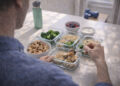
Stocking versatile staples reduces reliance on convenience foods and makes nutritious choices the default. Key items include oats, rice, canned beans, frozen vegetables, eggs, and shelf-stable proteins like canned tuna or lentils. Simple seasonings and healthy fats, such as olive oil and nuts, expand meal options without complexity. Batch cooking grains, roasting vegetables, and portioning proteins saves time and lowers friction during the week.
- Keep quick proteins ready: hard-boiled eggs, cooked chicken, or tofu.
- Frozen fruit and vegetables shorten prep time while minimizing waste.
Rotate a few favorite recipes to avoid decision fatigue and maintain variety. Minimal planning each weekend sets the stage for consistent, nutritious meals throughout the week.
Conclusion
Practical, repeatable nutrition habits support long-term progress with home workouts.
Focus on balanced meals, sensible timing, and a well-stocked pantry to reduce barriers.
Small, consistent changes yield measurable improvements over time.