Optimizing food choices can make home workouts more effective and enjoyable.
Small, consistent changes in meals help sustain energy and recovery.
This article outlines practical, accessible nutrition habits to support training at home.
You can apply these tips without complex meal plans or expensive ingredients.
Assess Your Plate Patterns
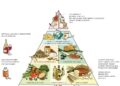
Start by observing what you normally eat across a week and where energy dips occur. Aim to include a balance of carbohydrates, protein, and healthy fats every time you build a plate; simple ratios like half vegetables, quarter protein, and quarter starch work well. Monitoring portions and variety reduces midday fatigue and improves workout focus. Hydration and limiting refined sugars also stabilize energy for training sessions.
Make gradual adjustments rather than overhauling your diet overnight. Small shifts create sustainable habits that support consistent at-home training.
Prioritize Protein and Vegetables
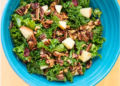
Protein supports muscle repair and helps maintain strength when you train at home, so prioritize a quality source at each meal. Vegetables provide micronutrients and fiber that aid recovery and keep digestion regular; choose colorful options and aim for different textures. For convenience, lean proteins like eggs, canned fish, legumes, or Greek yogurt pair well with quick vegetable sides. Don’t forget healthy fats from nuts, seeds, or avocado to support hormone balance and satiety.
If calorie control is a goal, increase vegetables and lean protein to feel full without excess energy. For muscle-building phases, modestly raise protein and total calories while monitoring progress.
Timing, Snacks, and Simple Prep
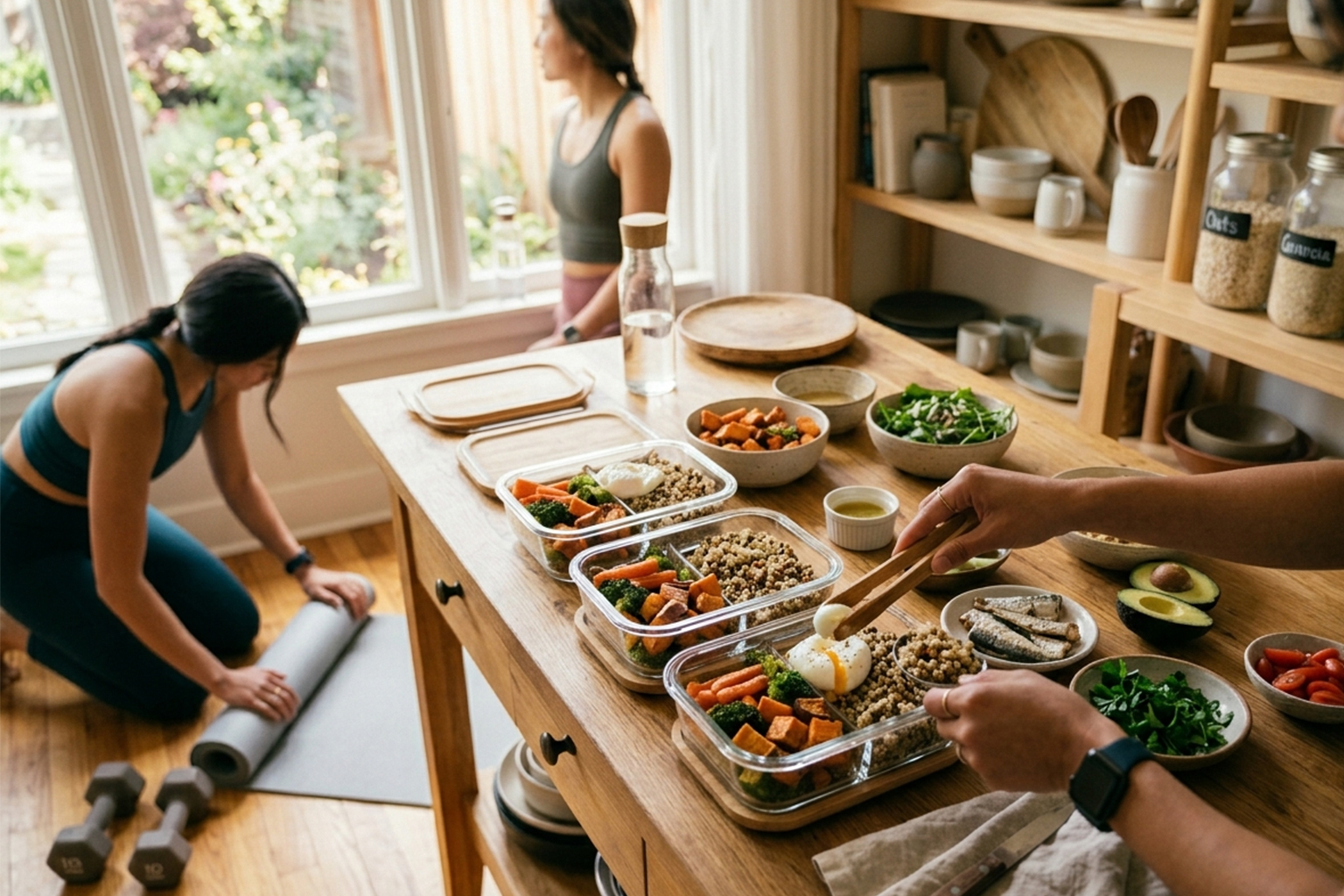
Meal timing matters but doesn’t need to be rigid; a balanced meal two to three hours before exercise and a protein-rich snack within an hour after most sessions is a reliable approach. Simple snacks such as a banana with nut butter or a yogurt with berries can quickly replenish glycogen and provide amino acids for recovery. Weekly meal prep reduces decision fatigue and keeps healthy choices accessible on busy days; cook grains, roast vegetables, and portion proteins for grab-and-go meals.
- Pre-workout: piece of fruit and a handful of nuts.
- Post-workout: cottage cheese with fruit or a protein shake.
- Quick meals: grain bowl with roasted vegetables and beans.
Consistency in timing and prepared options increases the likelihood of completing workouts and recovering well. Adjust timing based on personal digestion and the intensity of sessions.
Conclusion
Nutrition doesn’t have to be complicated to improve home workouts.
Focus on balanced plates, enough protein, and smart timing.
Small, repeatable habits deliver steady fitness gains over time.