Eating well at home doesn’t require complicated recipes or long shopping lists. Small, repeatable choices in the kitchen add up to consistent nutrition and reliable energy. Focusing on balance, variety, and convenience helps keep meals satisfying without extra effort. This article outlines practical strategies you can apply to daily cooking to support health and home fitness goals. These tactics are practical for single cooks and families alike.
Plate balance basics
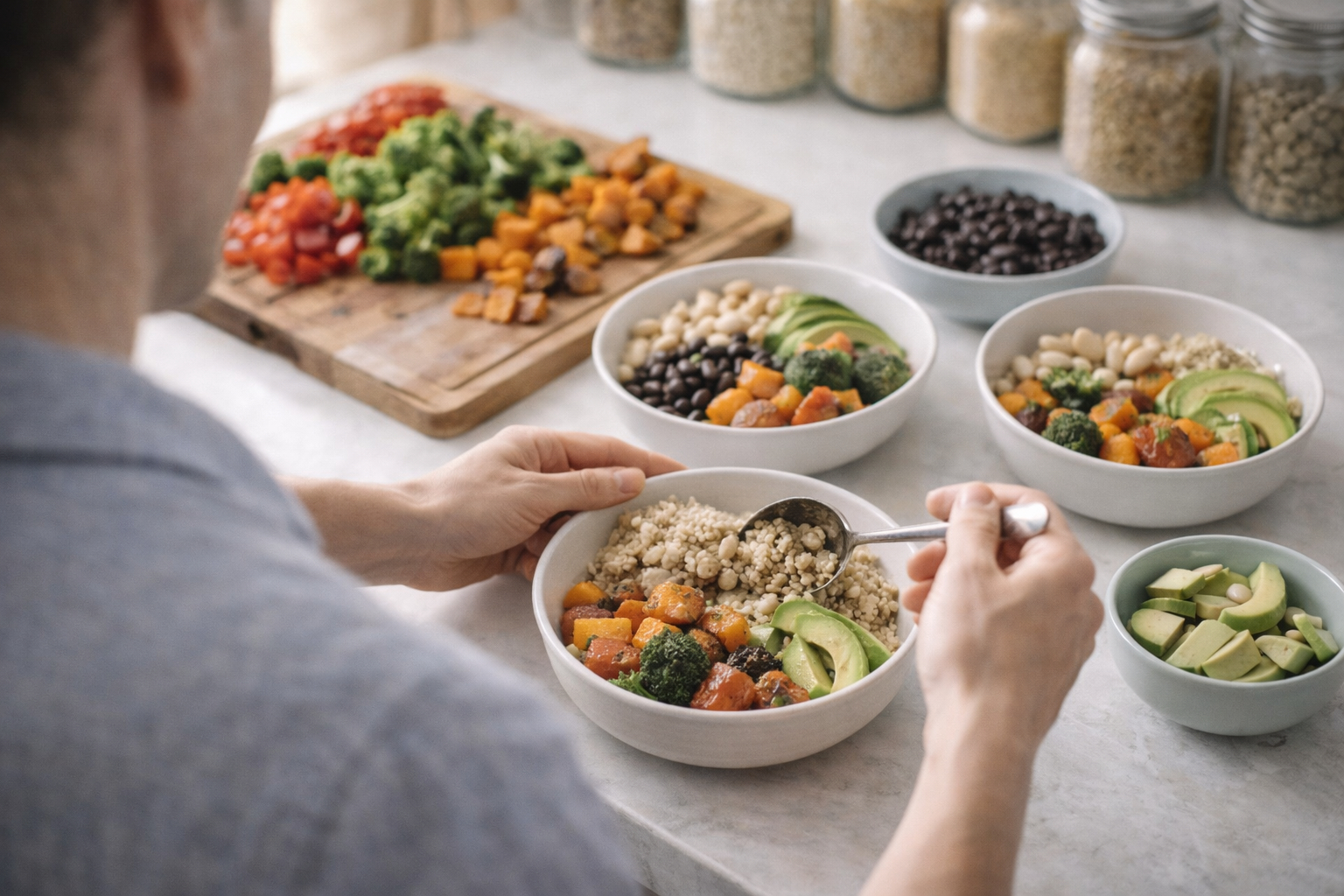
Aim to include a source of protein, a colorful serving of vegetables, a whole-grain or starchy vegetable, and a modest amount of healthy fat at each meal. This framework helps stabilize blood sugar, supports recovery after exercise, and keeps hunger in check. Portion sizes can be adjusted to goals, but the composition should stay consistent. Adding legumes, seeds, or extra vegetables increases fiber and satiety. Aim for color and texture to keep plates appealing.
Start small by building plates this way twice a day and then expand. Consistency matters more than perfection. Track what feels satisfying and iterate weekly.
Pantry and ingredient swaps
Stocking a few versatile staples makes it easier to prepare balanced meals on short notice. Choose canned beans, frozen vegetables, whole grains, nuts, and shelf-stable proteins to bridge busy days. Simple swaps—like Greek yogurt for sour cream or lentils for some ground meat—can cut calories and add fiber. Frozen produce often rivals fresh for nutrients and saves prep time. Keep a short shopping list that supports those staples.
Label basics and rotate them so food stays fresh. Organizing a small list reduces decision fatigue and saves time. Rotate protein choices to keep meals interesting.
Routine meal prep and timing
Establishing a few predictable routines simplifies cooking and helps maintain nutritious choices. Batch-cook grains and proteins once or twice weekly, and pre-chop vegetables for fast assembly. Keep a shortlist of go-to bowls, wraps, and sheet-pan dinners that combine the key components. A few theme nights, like grain-bowl or stir-fry evenings, reduce decision fatigue. Over time you’ll learn which quick combinations satisfy your appetite and goals.
Also pay attention to meal timing around workouts; a small carb and protein snack before or after can improve energy and recovery. Adjust portions to how you feel and the intensity of activity that day. Small, practical changes compound quickly when repeated reliably.
Conclusion
Small, consistent adjustments in the kitchen make balanced eating doable. Focus on plate composition, practical pantry choices, and simple routines to reduce friction. Over time these habits support sustained energy, better workouts, and easier meal decisions.