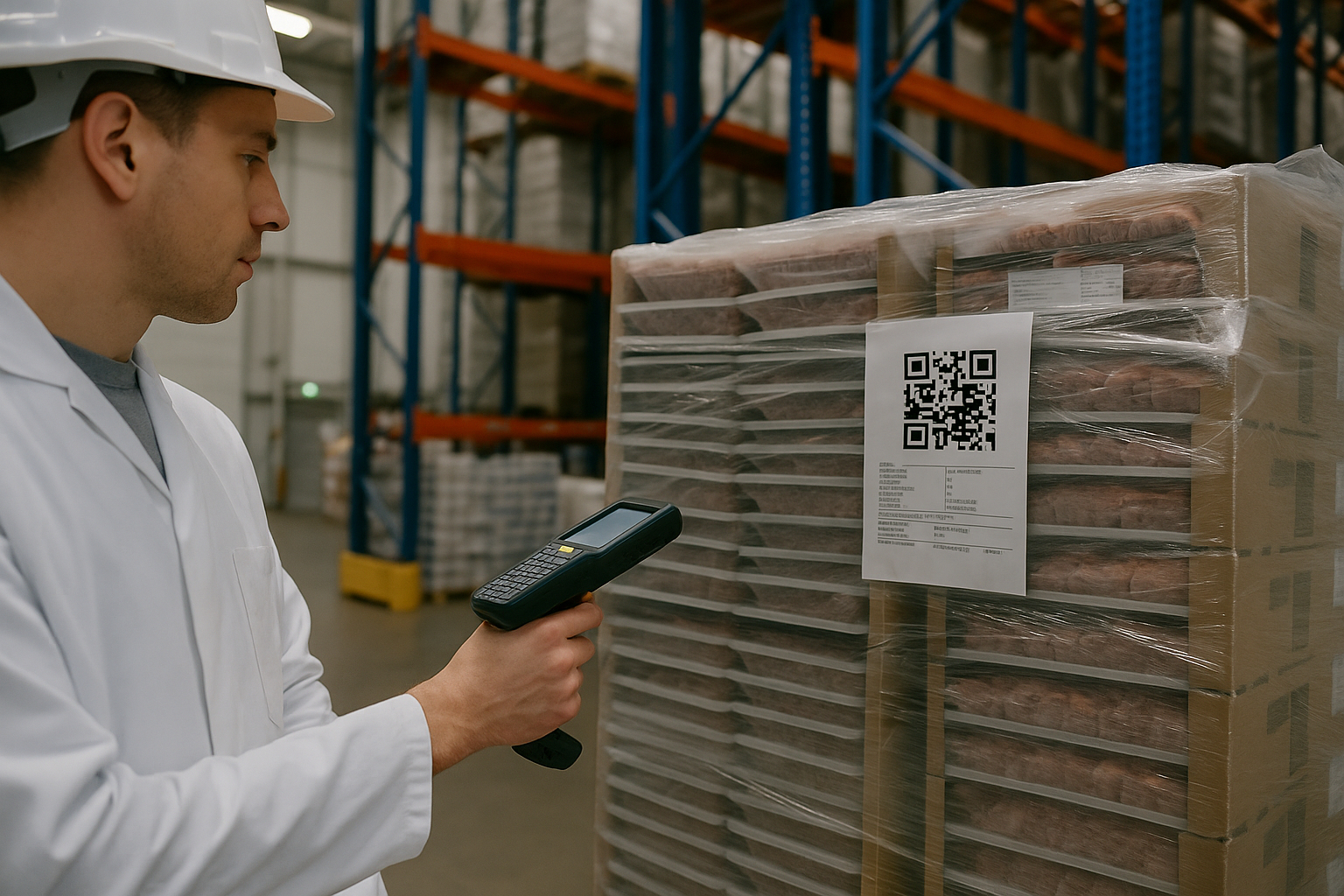
The way we track, verify, and trust our food sources is undergoing a major shift, thanks to blockchain technology. As consumers expect cleaner labels, safer products, and detailed ingredient journeys, the food industry is adopting new digital tools to build trust. Blockchain is emerging as one of the most effective solutions because it records information in a secure, traceable, and tamper-proof way. This brings new levels of visibility that benefit farmers, distributors, retailers, and consumers.
Strengthening Traceability Across the Supply Chain
Blockchain allows every participant in the food supply chain to record product data at each stage—from farm to shelf—in a single shared ledger. This means details like harvest dates, processing methods, storage conditions, and transportation records become visible instantly. If a safety issue occurs, companies can trace the source within seconds rather than days, reducing waste and preventing large-scale recalls. This faster, more reliable traceability boosts confidence and helps brands demonstrate accountability.
Preventing Fraud and Ensuring Authenticity
Food fraud—such as mislabeling, adulteration, and counterfeiting—creates billions in losses and can pose health risks. Blockchain helps combat this by providing verified digital “fingerprints” for each batch of food. Once data is recorded, it cannot be altered or erased, making it nearly impossible for bad actors to manipulate product information. This transparency is especially valuable for premium or sensitive products like organic produce, seafood, and baby food.
Improving Safety Through Real-Time Monitoring
When combined with sensors and IoT devices, blockchain enables real-time tracking of temperature, humidity, and handling conditions. This is crucial for perishable items, where even small changes can impact freshness or safety. If a problem is detected—such as a refrigeration failure—alerts can be triggered automatically, preventing contaminated products from entering stores. These smart monitoring systems give both businesses and consumers greater peace of mind.
Empowering Consumers With Clear, Verified Information
Shoppers today want to know where their food comes from and how it was produced. Blockchain-powered QR codes allow them to scan a package and see verified information instantly. This includes farm locations, certifications, sustainability practices, and transportation details. When consumers can access trustworthy data, they become more confident in their choices, and brands that prioritize transparency stand out in crowded markets.
Driving Collaboration and Industry-Wide Standards
Blockchain encourages collaboration because every participant shares the same data system. Farmers, manufacturers, logistics providers, and retailers can all contribute information, making the supply chain more efficient and accountable. As adoption grows, industries are beginning to develop shared standards that improve consistency and reduce fragmentation. This cooperative approach brings long-term benefits and strengthens global food systems.
Conclusion
Blockchain is helping the food industry deliver safer, more transparent, and more trustworthy products. By improving traceability, preventing fraud, enabling real-time monitoring, and empowering consumers, it is transforming how we understand and trust our food. As adoption expands, blockchain will continue shaping a future where transparency and safety are built into every step of the food journey.