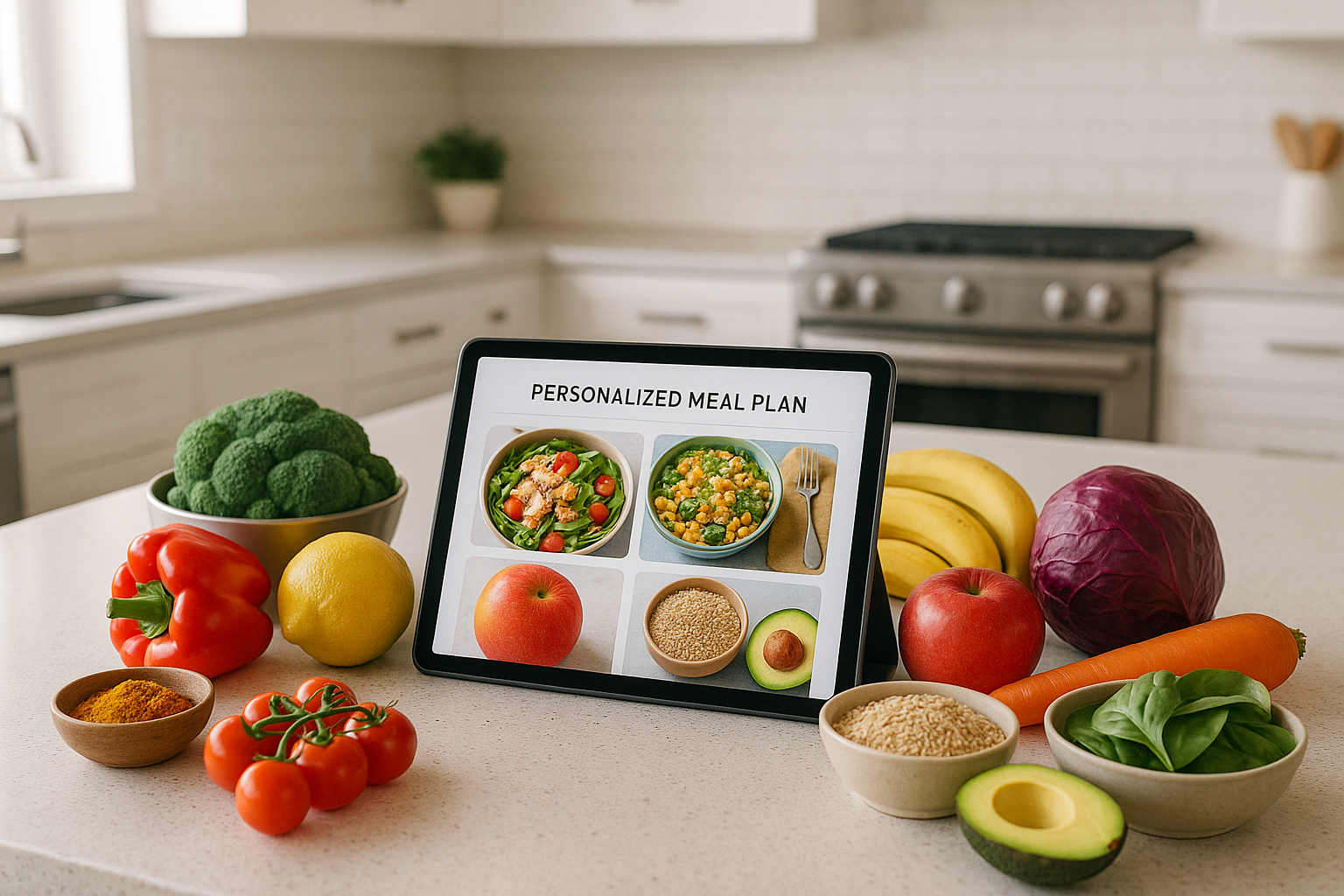
Personalized nutrition has taken a major leap forward with the rise of artificial intelligence. Instead of relying on generic diet plans, consumers can now receive tailored meal recommendations based on their health goals, lifestyle, preferences, and even biological data. AI-powered meal planning systems analyze patterns far beyond what humans can process, providing more accurate, convenient, and sustainable nutrition guidance. As technology becomes integrated into wellness routines, AI is reshaping how people eat — helping them make smarter choices and achieve lasting results.
Using Data to Tailor Nutrition to Individual Needs
AI personalizes meal plans by analyzing large sets of data, including dietary preferences, allergies, fitness goals, sleep patterns, and daily routines. Some platforms even integrate biometric information such as heart rate, activity levels, or glucose data. By processing this information, AI can create highly customized meal suggestions that fit seamlessly into a person’s lifestyle. This removes the guesswork from healthy eating and ensures that meal plans align with individual needs rather than one-size-fits-all guidelines.
Adapting Meal Plans Through Real-Time Insights
One of AI’s biggest strengths is its ability to adjust meal plans dynamically. As users log meals, track progress, or update their wellness goals, AI recalibrates the plan to reflect current conditions. For example, if someone increases their workout intensity, AI may suggest more protein-rich meals. If a user struggles to follow certain recipes, AI can propose easier alternatives. This ongoing adaptation creates a flexible approach that supports long-term success rather than short-lived diet attempts.
Helping Consumers Improve Health Outcomes
AI-powered meal planning tools often incorporate nutritional science and predictive analytics to support better health outcomes. By identifying dietary patterns, AI can highlight habits that may be contributing to issues such as fatigue, weight gain, or inflammation. Recommendations may include increasing fiber intake, reducing added sugars, or balancing macronutrients. As users begin to follow these personalized suggestions, they often experience improvements in energy, digestion, and overall wellness.
Making Healthy Eating More Convenient
AI simplifies the process of planning and preparing meals by generating shopping lists, suggesting recipes based on ingredients already at home, and identifying food deals at nearby stores. Some platforms even integrate with grocery delivery services to automate shopping. By reducing friction and making meal planning more manageable, AI encourages consistent healthy eating and helps consumers stay on track with minimal effort.
Conclusion
AI is personalizing meal plans in ways that make healthy eating more accessible, flexible, and effective. By analyzing individual data, adapting recommendations in real time, and simplifying daily nutrition decisions, AI empowers consumers to build sustainable habits that support long-term wellness. Personalized nutrition powered by AI is no longer futuristic — it’s becoming an essential part of everyday life.