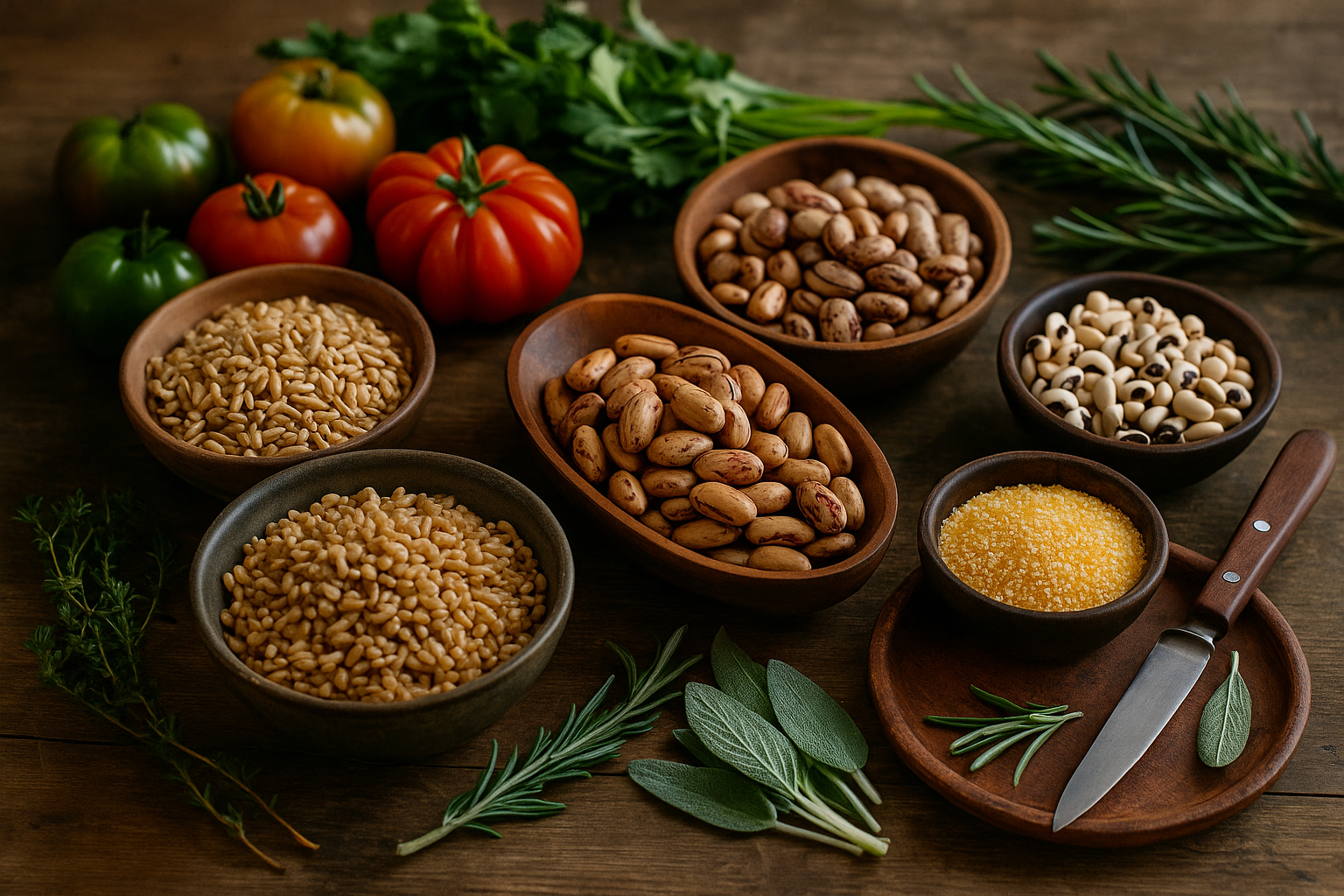
Across the United States, a culinary renaissance is underway — one that celebrates tradition, authenticity, and cultural identity. Chefs, home cooks, and food artisans are rediscovering heritage ingredients, breathing new life into long-forgotten flavors and regional staples. This movement goes beyond nostalgia; it’s about honoring cultural heritage, supporting local producers, and connecting modern cuisine to its historical roots.
The Return to Traditional Flavors
Heritage ingredients are those deeply tied to specific regions, farming methods, or ancestral practices. Think heirloom grains, native beans, wild herbs, and ancient vegetables that once formed the backbone of local diets. Across the country, chefs are turning to ingredients like Carolina Gold rice, heritage corn, sorghum, and black-eyed peas — foods that tell the story of America’s agricultural and cultural diversity. These ingredients not only bring depth to recipes but also preserve biodiversity in an age of industrialized agriculture.
Why Heritage Ingredients Matter
Rediscovering these ingredients isn’t just a culinary trend — it’s a cultural revival. Many traditional crops were replaced by high-yield, commercially processed alternatives, leading to a loss of flavor, nutrition, and connection to origin. By returning to these roots, farmers and chefs are helping restore balance to food systems. In addition, using heritage ingredients supports sustainable farming, small producers, and Indigenous and immigrant communities who have kept these traditions alive for generations.
How American Kitchens Are Embracing the Past
Restaurants across the U.S. are incorporating heritage ingredients into modern dishes, blending tradition with innovation. Farm-to-table eateries highlight local heirloom produce, while bakeries are reintroducing stone-ground grains and non-hybrid flours. Even home cooks are experimenting with ancient grains like farro and teff, or reviving old recipes passed down through families. Social media has played a role too, encouraging younger generations to explore their culinary heritage and share it widely.
Health, Sustainability, and Storytelling
Heritage ingredients often come with health and environmental benefits. Naturally resilient to local climates, these crops require fewer chemicals and less water, making them sustainable choices. They’re also rich in nutrients and flavor, aligning perfectly with the growing demand for wholesome, authentic foods. More importantly, each ingredient carries a story — of migration, adaptation, and survival — reminding people that food is not just sustenance, but culture itself.
Conclusion
Rediscovering heritage ingredients is a journey of both taste and identity. By celebrating the roots of our food, Americans are building a bridge between past and present — one plate at a time. In preserving these flavors, we preserve history, community, and the deep connection that food creates among people.