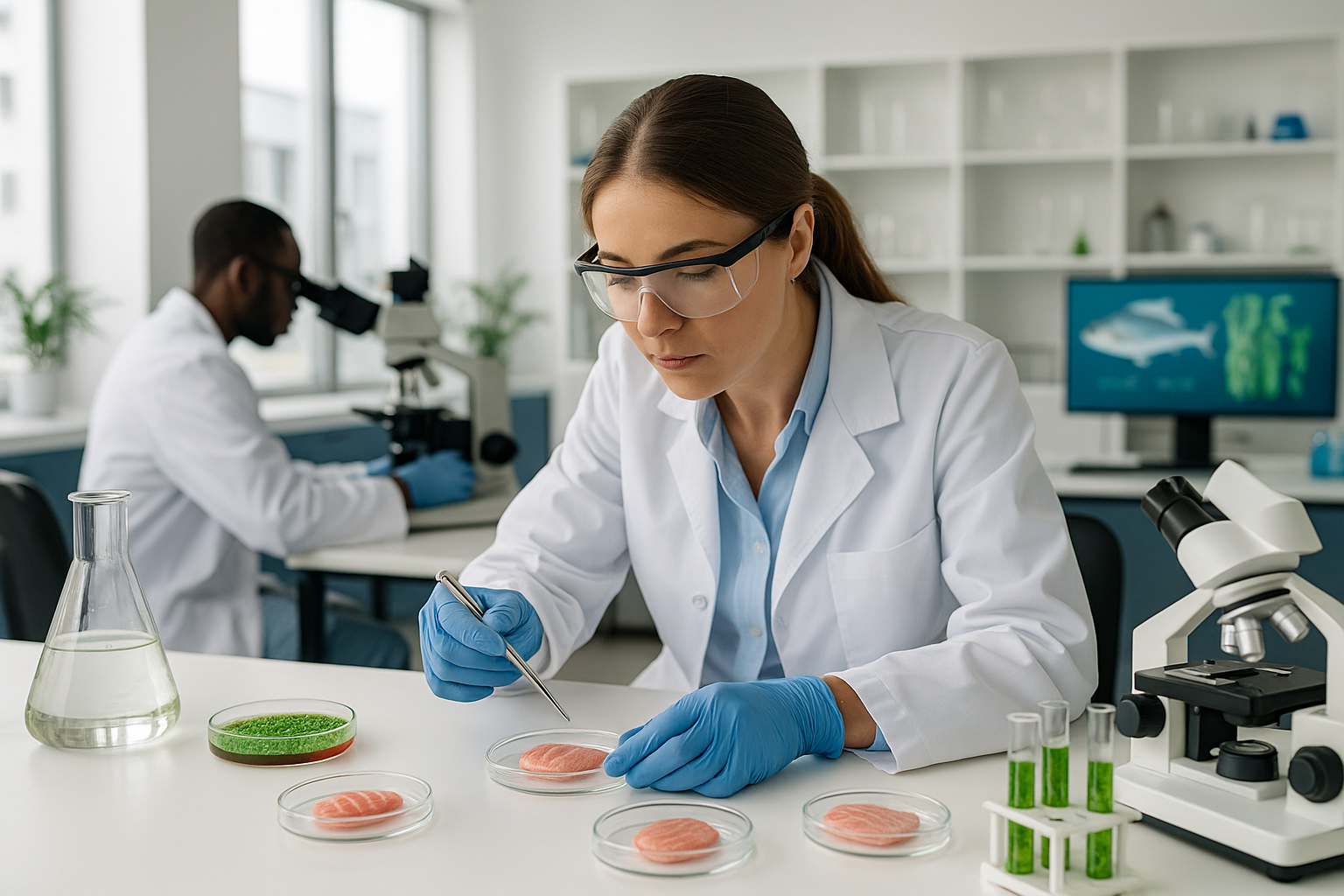
The world’s oceans are not just a source of food — they’re a vast frontier of biological innovation. Blue biotechnology, a branch of biotechnology focused on marine resources, is revolutionizing how we produce, protect, and consume seafood. By merging science and sustainability, it promises to meet the growing global demand for seafood while reducing pressure on overfished marine ecosystems.
What Is Blue Biotechnology?
Blue biotechnology harnesses marine organisms — from algae and fish to microorganisms — for sustainable industrial and medical applications. In the context of food, it involves using marine bioengineering to create or enhance seafood products through environmentally friendly methods. This includes cultivating lab-grown fish, developing algae-based protein, and improving aquaculture efficiency.
The Rise of Lab-Grown Seafood
Overfishing and pollution have pushed natural fisheries to their limits. Blue biotechnology offers a compelling solution through cell-cultured seafood — fish and shellfish grown from real cells in controlled environments. Companies are already creating tuna, salmon, and shrimp without the need to harvest from the ocean. These alternatives replicate the taste, texture, and nutrition of wild-caught seafood while eliminating mercury, microplastics, and habitat destruction.
The Role of Algae and Microorganisms
Algae — one of the ocean’s simplest organisms — is emerging as a powerful resource. Rich in omega-3 fatty acids, protein, and essential minerals, algae can replace fishmeal and fish oil in aquaculture feeds, making the industry more sustainable. Additionally, microalgae-based proteins are being used to develop plant-like seafood alternatives that appeal to eco-conscious consumers.
Benefits of Blue Biotechnology in Seafood Production
-
Sustainability: Reduces overfishing and conserves marine biodiversity.
-
Food Security: Provides a consistent, scalable seafood supply that’s not dependent on ocean conditions.
-
Health and Safety: Eliminates contaminants like mercury, antibiotics, and plastic residues.
-
Climate Impact: Cuts greenhouse gas emissions linked to traditional fishing and aquaculture.
Challenges and Future Outlook
Despite its promise, blue biotechnology faces hurdles such as high production costs, regulatory approvals, and consumer acceptance. Many people remain skeptical about lab-grown or bioengineered foods. However, as technology advances and awareness grows, these products are expected to become more affordable and mainstream — much like plant-based meat alternatives.
Conclusion
Blue biotechnology is redefining the future of seafood by blending innovation with responsibility. By cultivating fish from cells, leveraging algae, and optimizing aquaculture, it paves the way for a healthier planet and a sustainable food supply. As the world looks toward the ocean for answers, this new wave of biotechnology ensures that the future of seafood is not just delicious — it’s also sustainable.