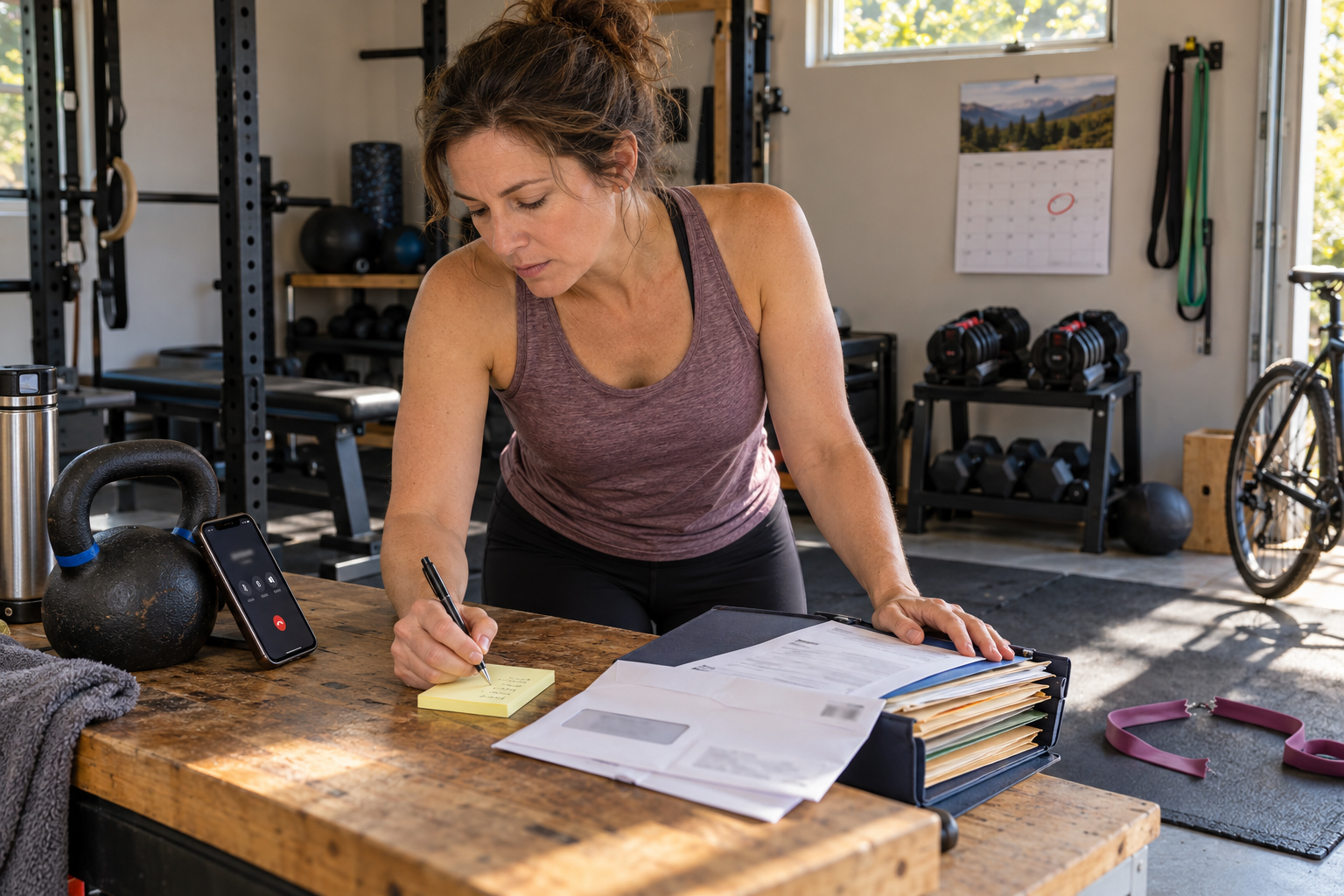
Setting up a home workout routine is one thing; understanding how your health insurance responds when something goes wrong is another. A surprise bill after a strained muscle or a fall can undo months of careful budgeting. Before you buy equipment or invite friends over to train, it pays to confirm what your plan actually covers. This short checklist will help you avoid common surprises and focus on getting back to exercise sooner.
What your plan likely covers
Most basic health plans will cover emergency care, diagnostics like X-rays or CT scans, and visits to in-network specialists for treatment of injuries sustained during exercise. Rehabilitation services such as physical therapy are often included, but they may require preauthorization or be limited to a set number of sessions. Some plans treat telehealth consults as routine visits, while others classify them separately with different copays. Coverage for durable medical equipment — braces, crutches, or supports — varies widely and can depend on whether a provider prescribes them.
Read the summary of benefits and look for sections labeled emergency care, outpatient services, rehabilitation, and durable medical equipment. Pay attention to in-network rules and prior authorization requirements, as those are common stumbling blocks when a claim is submitted.
Checklist before you start
Call your insurer and ask direct questions: how does the plan handle urgent care versus emergency room visits, what outpatient clinics are in-network, and whether physical therapy requires a referral. Keep a note of the representative’s name, the date, and any claim codes they provide for easier follow-up. Confirm telehealth options and any virtual rehabilitation services, since those can be less expensive and quicker for minor injuries. Also ask how coverage works if a guest is injured during your workout; liability often falls under homeowner policies, not health plans.
- Ask about deductibles and out-of-pocket maximums tied to injury care.
- Get a list of in-network clinics and PT providers near your home.
- Request written confirmation by secure message or email when possible.
Keeping those pieces of information on file will speed claims and reduce stress if you need care. It also makes comparing plans easier when renewal time comes around.
After an injury: document and file
If you do get hurt, document everything: photos of the scene or equipment, appointment notes, and receipts for any treatment or supplies. Ask each provider for a clear diagnosis and procedure codes so you can match bills to what your insurer expects. File claims promptly, include detailed notes about how the injury occurred, and attach any supporting records your plan requires. If a claim is denied, use the insurer’s appeal process and supply additional documentation rather than assuming the decision is final.
Being organized and proactive usually reduces delays and surprise expenses. A calm, factual approach to claims increases your chances of a favorable outcome and quicker recovery.
Conclusion
Taking a few minutes to verify coverage before you begin home workouts can prevent a lot of headaches later. Keep clear records, ask focused questions, and save written confirmations from your insurer. That preparation helps you spend energy on training and recovery, not on billing disputes.