When a home workout results in an injury, clear documentation is essential for any insurance claim. Early and accurate records help establish what happened, when it happened, and how you sought care. This article outlines practical steps to collect evidence, work with providers, and communicate with insurers. Following a systematic approach reduces delays and increases the chance of a fair outcome.
Immediate Steps After an Injury
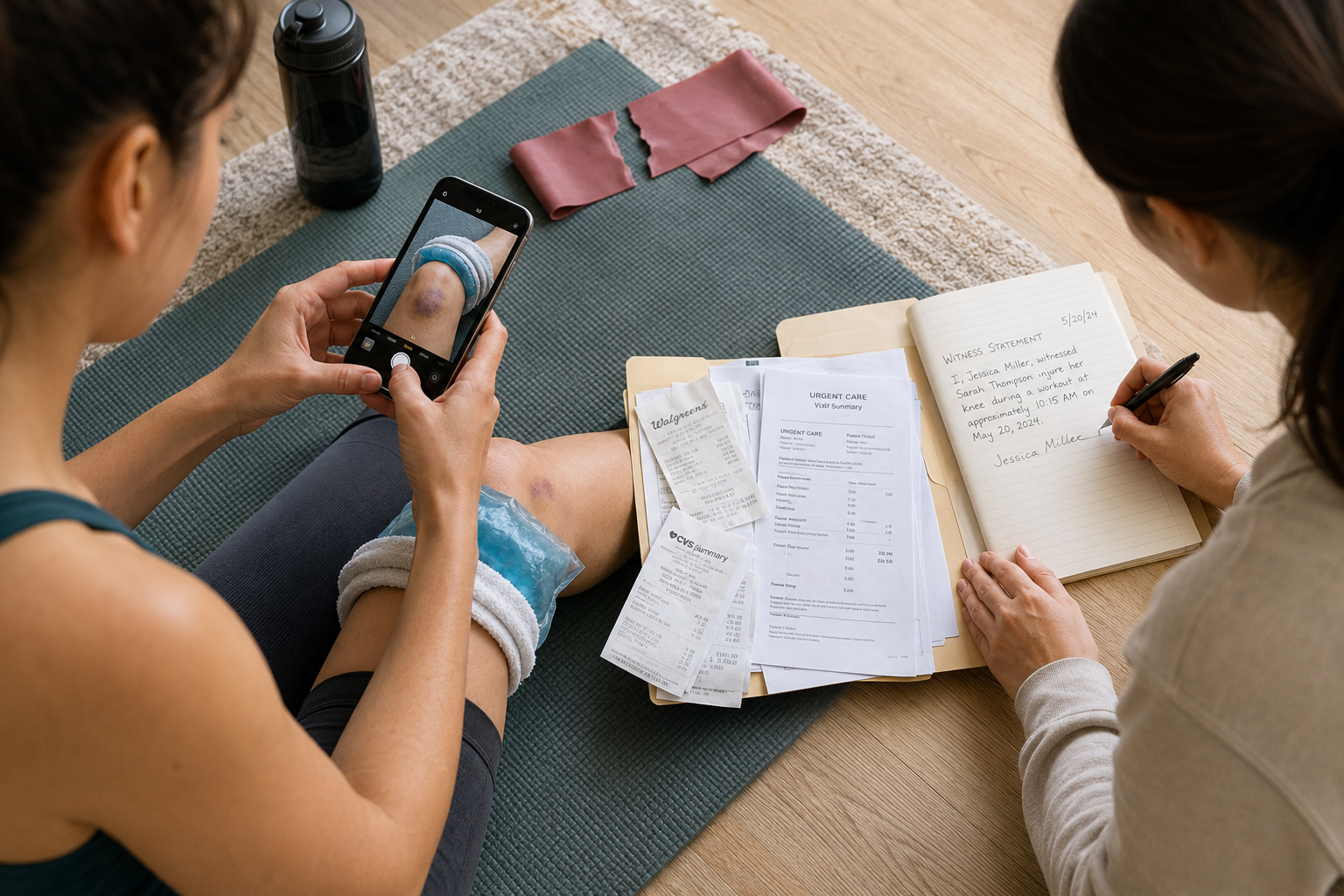
Begin by securing your safety and seeking medical attention as needed; urgent issues take priority over paperwork. Note the time, activity, specific movement, and equipment involved while details are fresh in your memory. If possible, take photographs of the scene, visible injuries, and any defective equipment that may have contributed. These immediate records form the foundation of a coherent claim narrative.
Keep a simple log of symptoms and any changes in pain or mobility during the first 48 to 72 hours. Accurate timing and continuity of notes help medical professionals and claims adjusters trace the progression of injury. Store digital files and images in a dedicated folder to prevent accidental deletion or loss.
Medical Evaluation and Records
Seek evaluation from an appropriate healthcare provider and be explicit that the injury occurred during a home exercise activity. Request copies of all clinical notes, diagnostic test results, imaging, and discharge summaries. Ensure that medical records include a clear description of the mechanism of injury and any recommended treatments or restrictions. Consistent documentation from the beginning avoids ambiguity later in the claims process.
Follow prescribed treatment plans and attend follow-up appointments to create a continuous medical timeline. If you use telehealth, save session summaries and electronic prescriptions, since they are admissible documentation. Inform your provider if equipment or environment contributed to the injury so it appears in official records.
Documenting Evidence Beyond Medical Notes
Collect supporting evidence such as photographs, video of the exercise, equipment manuals, and maintenance records if applicable. Obtain witness statements from anyone present during the incident and ask them to date and sign their account when possible. Keep receipts for any out-of-pocket expenses related to treatment, rehabilitation, or equipment repair. Comprehensive evidence strengthens the factual basis of a claim.
Organize materials chronologically and label each file with dates and brief descriptions to speed review by adjusters. Consider creating a one-page summary that outlines the timeline, key documents, and contact information for providers. A clear package reduces back-and-forth requests and helps your claim move forward.
Communicating With Your Insurer
Report the injury promptly according to your policy’s procedures and provide only factual, concise information to the insurer. Submit copies of medical records and supporting evidence rather than originals, and keep a log of all communications including names, dates, and summaries. If an insurer requests additional documentation, respond quickly and maintain copies of everything sent. Professional, organized communication minimizes misunderstandings and preserves your rights under the policy.
Consider consulting a neutral professional or advocate if you encounter denials or disputes about coverage. An informed approach and thorough documentation give you the best chance of an equitable resolution.
Conclusion
Thorough, timely documentation is the strongest asset when filing an insurance claim for a home exercise injury. Keep detailed medical records, photographs, and receipts, and present them in an organized package. Clear communication with providers and your insurer improves the likelihood of a fair outcome.