Understanding how your health insurance interacts with at-home exercise can reduce cost and delays after an injury.
Start by identifying plan basics: covered services, network rules, and prior authorization requirements.
Small changes to your routine or paperwork can influence coverage for rehab, telehealth, or emergency care.
This article outlines practical steps to make your policy support safe home fitness.
Review Policy Fundamentals
Begin with the summary of benefits and coverage and the detailed policy language for exclusions and limits. Note definitions for outpatient rehab, physical therapy, durable medical equipment, and telehealth, since wording affects claims. Confirm network restrictions and whether certain providers or modalities require preauthorization or referrals. Also note timelines for prior authorization and the procedures for appealing denials.
These basics reveal common gaps and immediate actions to address them. A clear checklist makes follow-up faster when care is needed.
Prioritize Emergency, Telehealth and Rehab Access
Decide which services matter most given your home routines: urgent care or emergency services for acute injuries, telehealth for quick evaluations, and rehab for persistent issues. Check copays, deductibles and out-of-pocket maximums that apply to each service, and whether telehealth visits count toward in-network benefits. Some policies cover remote consultations but limit follow-up therapy; knowing limits prevents surprise bills. Compare typical costs and out-of-pocket differences between urgent care and emergency services so you can choose appropriate care.
If coverage is thin, explore rider options or a health savings approach to mitigate costs. Prioritizing these benefits reduces downtime after an injury.
Document Incidents and Support Claims
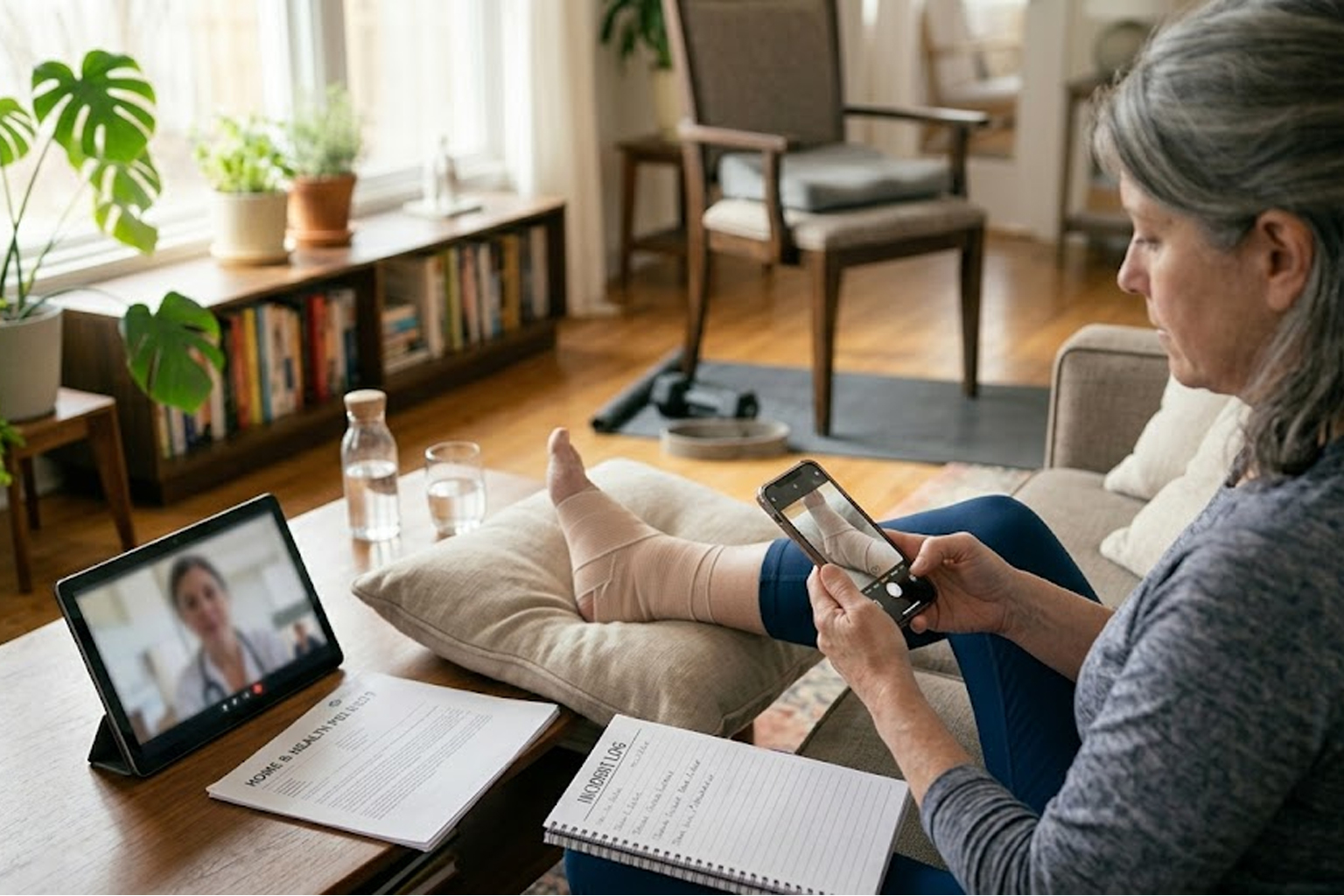
If an injury occurs, timely and accurate documentation improves claim outcomes. Record the date, time, activities, symptoms, and any witnesses, and save photos and equipment details. Seek a prompt clinical note—telehealth can provide initial documentation—and follow prescribed therapy plans to show medical necessity. Keep copies of referrals, authorizations, and billing codes to compare with explanations of benefits. Retain invoices and explanations of benefits and be aware of time limits to file claims or appeals.
Organized records speed appeals when a claim is denied. Insurers expect consistent evidence of injury and treatment.
Work with Providers and Insurer
Communicate with in-network clinicians about your home fitness context so treatment plans align with policy language. Ask providers to include specific functional limitations and expected progress in notes to justify rehab services. Before purchasing equipment or scheduling extended therapy, request preauthorization when possible to reduce claim disputes. Request common CPT and diagnosis codes so you can verify billed services against coverage.
A proactive provider-insurer workflow reduces denials and surprise bills. Regularly review provider billing to ensure codes match services rendered.
Conclusion
Make informed choices about benefits that match your training habits.
Document incidents carefully and use telehealth and preauthorization to your advantage.
Small administrative steps can protect both your health and your wallet.