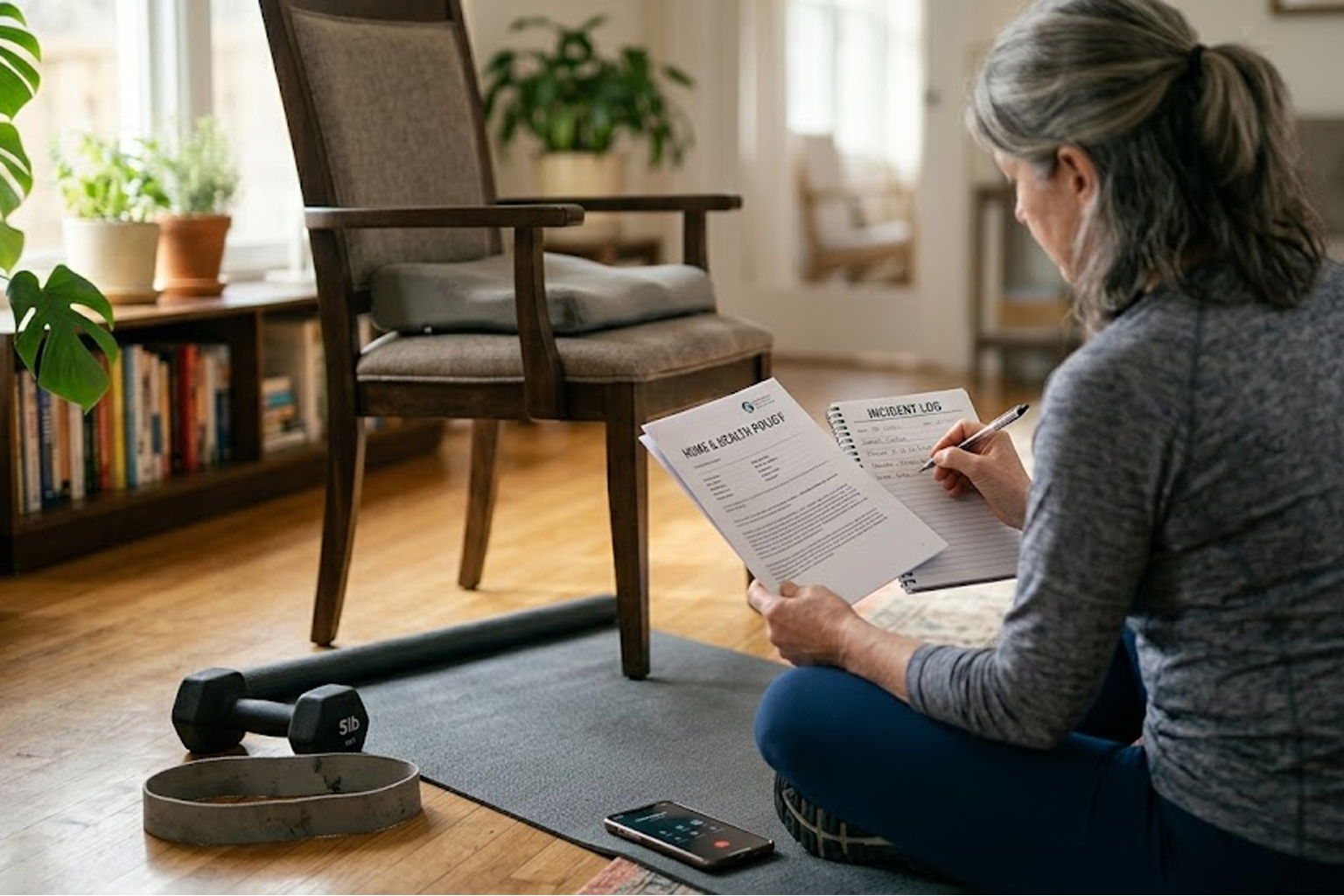
If you exercise at home, understanding how your medical insurance responds to injuries and recovery is essential. Policy language determines which providers, treatments, and settings are covered after an accident. Small differences in terms can lead to unexpected bills or delays in care. This article highlights the policy terms and practical checks that matter most to home exercisers.
Begin by focusing on definitions and coverage triggers, then confirm provider networks and documentation rules. Knowing how insurers handle telehealth, rehabilitation, and emergency visits reduces surprises. Use this overview to prepare questions before calling your carrier. Clear documentation and timely steps make claims smoother.
Understanding Policy Definitions
Many disputes start with how a policy defines key concepts like “emergency,” “medical necessity,” and “rehabilitation.” These definitions shape whether a visit qualifies for immediate coverage or requires prior authorization. Deductibles, copays, and coinsurance percentages further affect your out-of-pocket cost for services related to a workout injury. Exclusions or rider language can remove coverage for specific activities or equipment-related incidents.
- Emergency vs. urgent care: impacts billing and facility choice.
- Medical necessity: determines approval for rehab and imaging.
- In-network designation: affects provider reimbursement and your costs.
Review the definitions section of your policy and the summary of benefits to spot potential gaps. If terms are unclear, request written clarification from your insurer.
What Insurers Expect After Injury
Insurers typically look for clear documentation linking the injury to the claimed event. Dates, provider notes, and any imaging or referrals strengthen a claim. Timeliness matters: many plans have notification or filing deadlines that can affect payment. Insurers also want to see that the care provided aligns with covered benefits and preauthorization requirements when applicable.
- Keep a short incident log with symptoms and actions taken.
- Save receipts, referrals, and clinic notes for every visit.
Organizing records and submitting them promptly reduces the risk of denials. If a claim is questioned, documented continuity of care helps your appeal.
Verifying Coverage Before You Need It
Proactively confirming coverage can avoid costly surprises. Call customer service with specific scenarios, ask about prior authorization rules, and request responses in writing when possible. Check in-network therapy providers and telehealth options that can handle initial assessments after a minor injury. Understand how out-of-network claims are handled if you require specialist care.
- Request an explanation of benefits for hypothetical services.
- Confirm appeal timelines and the insurer’s preferred evidence.
Keep a checklist of questions and record the representative’s name and reference number. Regularly reviewing this information ensures you are prepared if an injury occurs.
Conclusion
Knowing precise policy terms and preparing documentation reduces stress after a home workout injury. Confirm definitions, authorization rules, and evidence expectations in advance. A few proactive checks can protect your finances and speed recovery.