Living with ongoing muscle or joint pain requires a steady, practical approach that fits into daily life. Small, consistent changes at home can reduce flare-ups, restore function, and improve overall comfort. This article outlines simple assessments, movement priorities, and environmental tweaks to use without specialized equipment. The aim is to offer safe, gradual steps you can adapt to your pace and needs.
Assessing and pacing activity
Start by identifying which activities trigger pain and which feel manageable. Keep a brief log for a week noting movements, pain levels, and recovery time to reveal meaningful patterns. Use that information to pace activity: break tasks into smaller parts, alternate between positions, and schedule rest before fatigue sets in. Pacing helps avoid boom-and-bust cycles where doing too much leads to setbacks.
Begin with conservative limits and increase activity slowly, for example adding about ten percent more time or intensity each week. Consistency matters more than intensity for steady improvements.
Build gentle strength and mobility
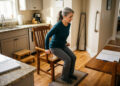
Strength and mobility support joint stability and reduce strain during everyday tasks. Focus on low-impact, functional exercises like sit-to-stand, wall push-ups, hip bridges, and controlled heel raises performed with good technique. Aim for two to three short sessions per week, working within a comfortable pain range and prioritizing movement quality. Gentle stretching and controlled joint rotations can help maintain range without provoking symptoms.
- Start with 1–2 sets of 8–12 slow repetitions for each exercise.
- Use a chair, wall, or light resistance bands to progress safely.
- Pause if pain increases substantially and reassess form or intensity.
Progress gradually by adding repetitions or small resistance increments as tolerated. If pain increases beyond usual post‑exercise soreness, scale back and reassess the plan.
Adjust your environment and habits
Small changes at home often make daily tasks easier and less painful. Observe how you sit, stand, lift, and reach, and rearrange frequently used items to reduce awkward positions and excessive bending. Consider ergonomic supports like lumbar rolls, seat height adjustments, or a small step stool to improve mechanics and reduce strain.
Good sleep position and supportive footwear also influence recovery and pain levels. Habitual micro-breaks for motion and hydration support tissue resilience throughout the day.
When to seek professional input
Self-management helps many people, but persistent worsening, unexplained numbness, or loss of function should prompt professional evaluation. A clinician can help rule out serious causes, guide appropriate tests when necessary, and tailor a rehabilitation plan to your needs. They can also recommend medications, injections, or referrals when conservative steps alone do not provide relief.
Early consultation can prevent chronicity and clarify safe progression for home programs. Use professional advice to refine your approach when progress stalls or symptoms change.
Conclusion
Small, consistent adjustments to movement, strength work, and your environment can reduce everyday musculoskeletal pain. Prioritize pacing and gradual progression, and monitor responses to keep improvements steady. With patience and simple strategies, most people can regain function and enjoy more comfortable days at home.