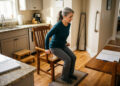
Working out at home brings convenience and consistency, but it also shifts many health needs onto you and your insurer. Understanding how a policy handles injuries, telehealth, rehabilitation, and preventive care helps you avoid surprises. This article outlines practical insurance features to prioritize if you exercise at home regularly. Read on to match plan elements to your routine and risk profile.
Understanding Coverage Basics
Start by reviewing what the policy covers for emergency care, urgent treatment, and routine physician visits related to exercise injuries. Confirm network rules, prior authorization requirements, and any exclusions that might affect care after a sprain, strain, or more serious event. Look for clarity on how the plan defines accidental injury versus repetitive strain, as treatment pathways and approvals can differ. Knowing these fundamentals reduces uncertainty when you need care quickly.
Also check whether diagnostic imaging and specialist referrals are included without excessive barriers. These services are often needed to diagnose workout-related conditions and should be accessible. A straightforward claims process matters for timely care and lower stress.
Rehab, Telehealth, and Ongoing Care
Rehabilitation coverage is essential for recovery from common home workout injuries, including physical therapy and occupational therapy. Telehealth can speed triage and follow-up care, and many plans now include virtual visits for musculoskeletal complaints and recovery coaching. Verify limits on therapy visits, whether the plan requires in-network providers, and if telehealth visits count toward your deductible. These details affect how quickly and affordably you can regain function.
Consider plans with integrated rehab networks or value-based arrangements that support coordinated recovery. Such features often improve outcomes and reduce out-of-pocket cost.
Cost Management and Claim Practicalities
Balance premiums, deductibles, copays, and out-of-pocket maximums based on your likely use of services related to home fitness. A low-premium plan may expose you to higher costs for imaging or multiple therapy sessions if an injury occurs. Ask how claims for exercise-related injuries are documented and what supporting evidence insurers typically request. Clear documentation processes help ensure smoother claim resolution.
Use available tools like cost-estimators and provider directories to anticipate expenses and stay within network when possible. Proactive planning minimizes surprises.
Preparing Before You Exercise
Preventive benefits, wellness programs, and coverage for durable medical equipment are useful for active people who train at home. Programs that subsidize coaching, fitness classes, or ergonomic assessments can reduce injury risk and may be available through insurers or employers. Check whether coverage applies to home gym equipment used for rehabilitation or if special authorizations are required. Understanding limits before an incident will streamline access to care and support.
Keep an up-to-date record of workouts, injuries, and any provider recommendations to support claims and continuity of care. Small preparations make a big difference during recovery.
Conclusion
Choose a plan that balances predictable costs with strong access to rehab and telehealth for home workouts. Verify network rules, coverage limits, and documentation requirements before you need care. Being informed helps you train safely and recover confidently.