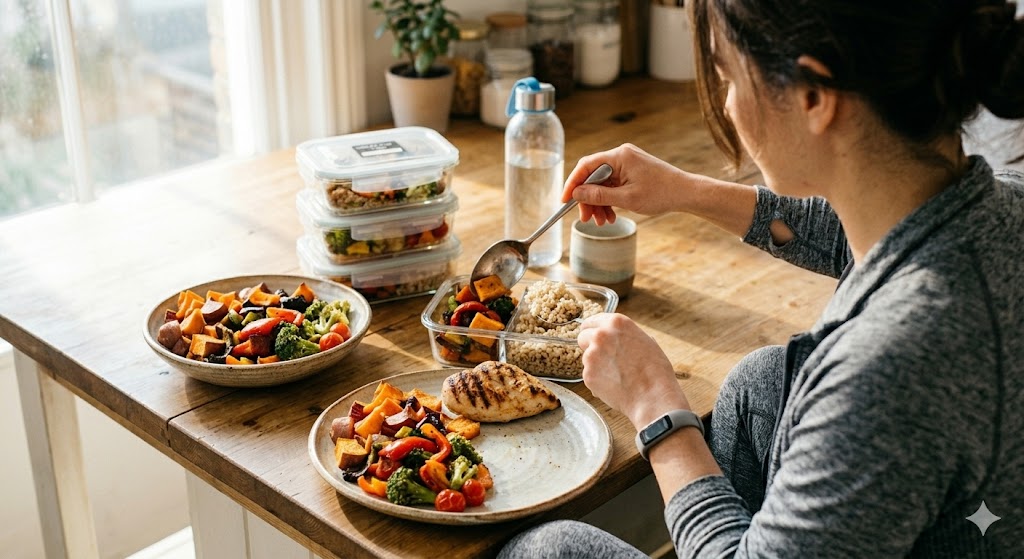
Eating with seasonal rhythms can simplify meal planning and boost the nutritional value of what you serve before and after workouts. Choosing produce at peak freshness often means better flavor, lower cost, and higher micronutrient density, which supports energy and recovery. For home exercisers, small adjustments in grocery habits translate into steadier training energy and easier meal prep. This article outlines practical, repeatable habits to make seasonal shopping work for your fitness goals.
Plan Around Seasonal Produce
Start by identifying which fruits and vegetables are in season and build meals around them rather than forcing out-of-season items. Seasonal produce tends to be more affordable and tastier, which increases the odds you’ll actually eat it and get consistent nutrients like vitamins, minerals, and antioxidants. Emphasize versatile staples — for example, roasted root vegetables, leafy greens, and seasonal berries — that can be used across breakfasts, lunches, and post-workout snacks. Shopping with a simple list focused on current-season items reduces decision fatigue and supports sustainable grocery spending.
Rotate colors and types each week to cover a broader nutrient profile without complicated meal plans. Keeping a short seasonal list makes it easy to adapt if you find a sale or local farmers’ stand with unexpected bargains.
Build Flexible, Protein-Focused Meals
Pair seasonal produce with reliable protein sources to support muscle repair and satiety after home workouts. Think simple combinations: grilled or baked lean proteins, legumes, eggs, or dairy paired with a cooked grain and seasonal vegetables. This structure keeps meals balanced without demanding precision — portion sizes can be adjusted to match training intensity and daily energy needs. Using a flexible template reduces food waste and makes it faster to prepare nutrient-dense plates on busy days.
Prepare a few go-to protein options each week so assembling balanced meals becomes a five-minute habit rather than a chore. Focus on variety over perfection to maintain both nutrition and enjoyment.
Snack Smart and Batch Lightly
For many home exercisers, snacks bridge the gap between workouts and meals; choose seasonally influenced snacks that add both carbohydrates and micronutrients. Examples include yogurt topped with fresh seasonal fruit, hummus with sliced raw vegetables, or whole-grain toast with avocado and a sprinkle of citrus or herbs. Batch-prep small portions of these components once or twice weekly to make grab-and-go fueling consistent and convenient.
- Portion nut mixes into snack bags for quick, energy-dense options.
- Roast a pan of seasonal vegetables to reheat across several meals.
Light batch cooking saves time and ensures you have wholesome choices ready after training, cutting down on impulse, less-nutritious options.
Conclusion
Adopting seasonal grocery habits streamlines meal choices and boosts nutrient intake for home fitness. Small routines like rotating produce, pairing it with protein, and light batch-prep make consistent fueling achievable. Over time these practical changes support better energy, recovery, and sustainable eating.