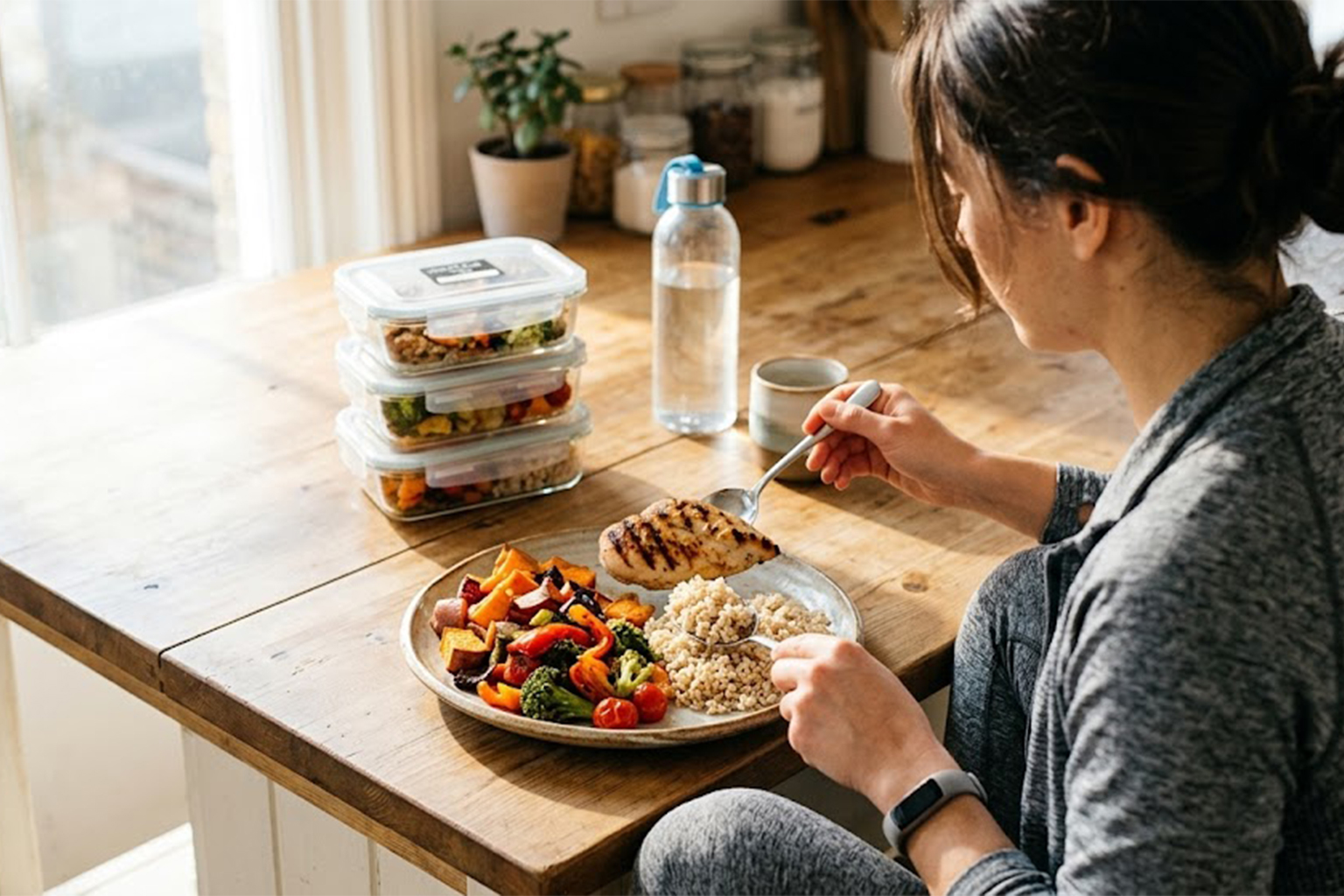
Making sensible food choices at home is one of the simplest ways to support consistent fitness progress. Rather than chasing complex diets, a few reliable plate habits create steady energy, better recovery, and improved workout quality. Focusing on practical swaps and predictable meal patterns reduces decision fatigue and helps you stay on course long term. These guidelines are designed to fit busy schedules while delivering real nutritional benefits.
Why practical choices matter
Practical food decisions directly affect daily energy levels and the ability to complete planned training sessions. When meals include the right balance of macronutrients, workouts feel more sustainable and recovery is faster. Over time, predictable habits reduce the need for extreme measures and support gradual gains in strength and endurance. Prioritizing consistency also improves body composition and mood without adding complexity.
Applying simple rules, like pairing protein with vegetables and a moderate carbohydrate source, removes ambiguity at every meal. Small, repeatable changes are easier to maintain than rigid plans.
Everyday plate composition
Structuring each plate around three core elements helps you cover essential needs with minimal fuss. Aim for a palm-sized portion of protein, a generous serving of vegetables, and a cupped-hand portion of carbohydrates at most meals. Add a thumb-sized serving of healthy fats for satiety and nutrient absorption. This visual approach keeps portions sensible and supports both performance and recovery.
- Protein: lean meats, plant proteins, or dairy alternatives.
- Vegetables: a mix of colors for fiber and micronutrients.
- Carbohydrates: whole grains, starchy vegetables, or legumes.
Using hand-sized portions makes the method portable to different plate sizes and meal patterns. It’s straightforward to adjust quantities based on activity level and goals.
Quick meal habits for busy days
Busy schedules call for strategies that minimize time while maximizing nutrition. Batch cooking key components—roasted vegetables, grains, and a cooked protein—lets you assemble balanced meals in minutes. Keep convenient snacks like Greek yogurt, nuts, and cut vegetables on hand to bridge energy between sessions. Also, plan meals around training times so that larger carbohydrate portions are allocated near workouts for quick fueling.
Consistency is easier when you reduce friction: simplify recipes, reuse ingredients, and set aside a short weekly prep session. Over time these small investments pay off in performance and reduced stress around eating.
Conclusion
Adopting simple plate habits creates a reliable foundation for home-based fitness goals. Focus on balance, portion awareness, and low-effort meal prep to support energy and recovery. Small, consistent changes deliver meaningful results without overwhelming your routine.