Good nutrition is a cornerstone of effective home workouts and steady progress. Small, consistent choices around meals and snacks can boost energy and recovery without requiring complicated plans. This article outlines practical habits that support exercise performance and day-to-day well being. Expect realistic tips you can adapt to busy schedules and limited kitchen space.
Understanding Energy Needs
Matching calorie intake to training volume helps maintain energy and supports body composition goals. Focus on a balance of carbohydrates for immediate energy, protein for repair, and fats for sustained fuel; each plays a distinct role in performance. Monitor how you feel during sessions and adjust portion sizes rather than chasing strict numbers. Simple tracking for a short period can reveal patterns and prevent underfueling.
Prioritize nutrient-dense foods that supply vitamins and minerals along with macronutrients. Consistency in meal timing tends to stabilize energy and mood across the week.
Pre- and Post-Workout Nutrition
Pre-workout choices should be predictable and light enough to avoid discomfort while providing accessible energy. Aim to eat a modest carbohydrate-rich snack or meal 60–90 minutes before exercise when possible, and include a small portion of protein. After a workout, prioritize a combination of protein and carbohydrates to support muscle repair and glycogen replenishment. Hydration before and after sessions is often overlooked but essential for performance and recovery.
Experiment with timing and portions to find what blends best with your routine and digestion. Simple, repeatable choices reduce decision fatigue and keep habits sustainable.
Smart Snacks and Portioning
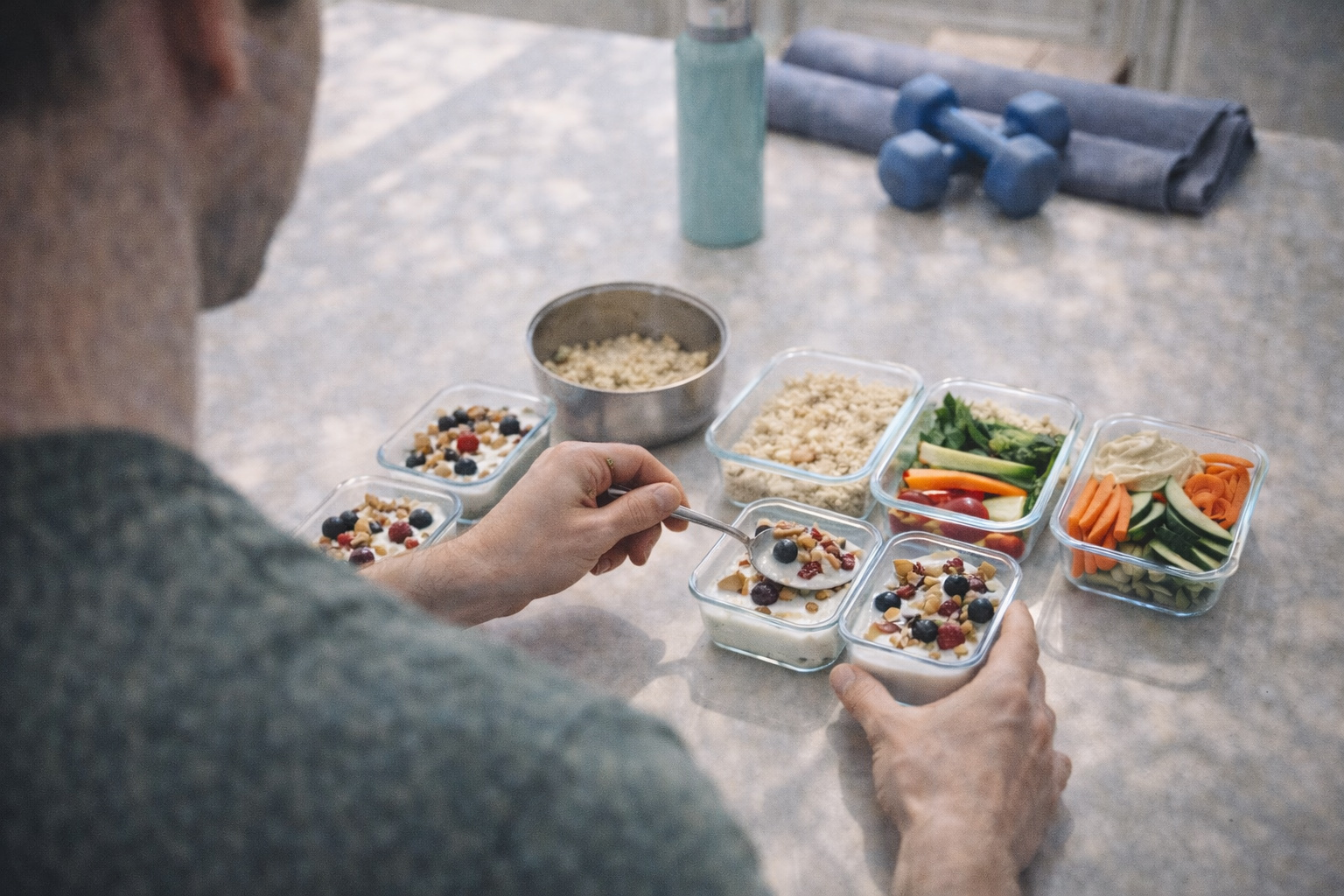
Effective snacking bridges meals and supports steady energy without adding unnecessary calories. Choose whole-food options that combine macronutrients to keep you satisfied longer and prevent spikes. Portion control can be as simple as using small containers or pre-portioning servings at the start of the week. This makes healthy choices more convenient and reduces reliance on convenience foods.
- Greek yogurt with fruit and nuts for protein and carbs.
- Whole-grain toast with nut butter for a balanced quick bite.
- Hummus with sliced vegetables for fiber and healthy fats.
Rotate a handful of favorite options so snacking stays enjoyable. Planning a few staples cuts down on last-minute poor choices.
Simple Meal Prep Strategies
Meal prep doesn’t require hours in the kitchen; focus on prepping components rather than full meals. Batch-cook grains, roast a tray of vegetables, and portion proteins so assembling meals takes minutes. Use clear containers and labeling to reduce waste and maintain variety across the week. Incorporating frozen fruits and vegetables helps preserve nutrients and simplifies planning.
Set one cooking session per week to save time and mental energy on busy days. Small, repeatable routines are the foundation of long-term nutrition success.
Conclusion
Practical nutrition habits amplify the benefits of consistent home exercise and make progress easier to sustain. Start with a few simple changes like planning snacks and balancing meals around workouts. Over time, these small habits add up to meaningful improvements in energy, recovery, and fitness results.