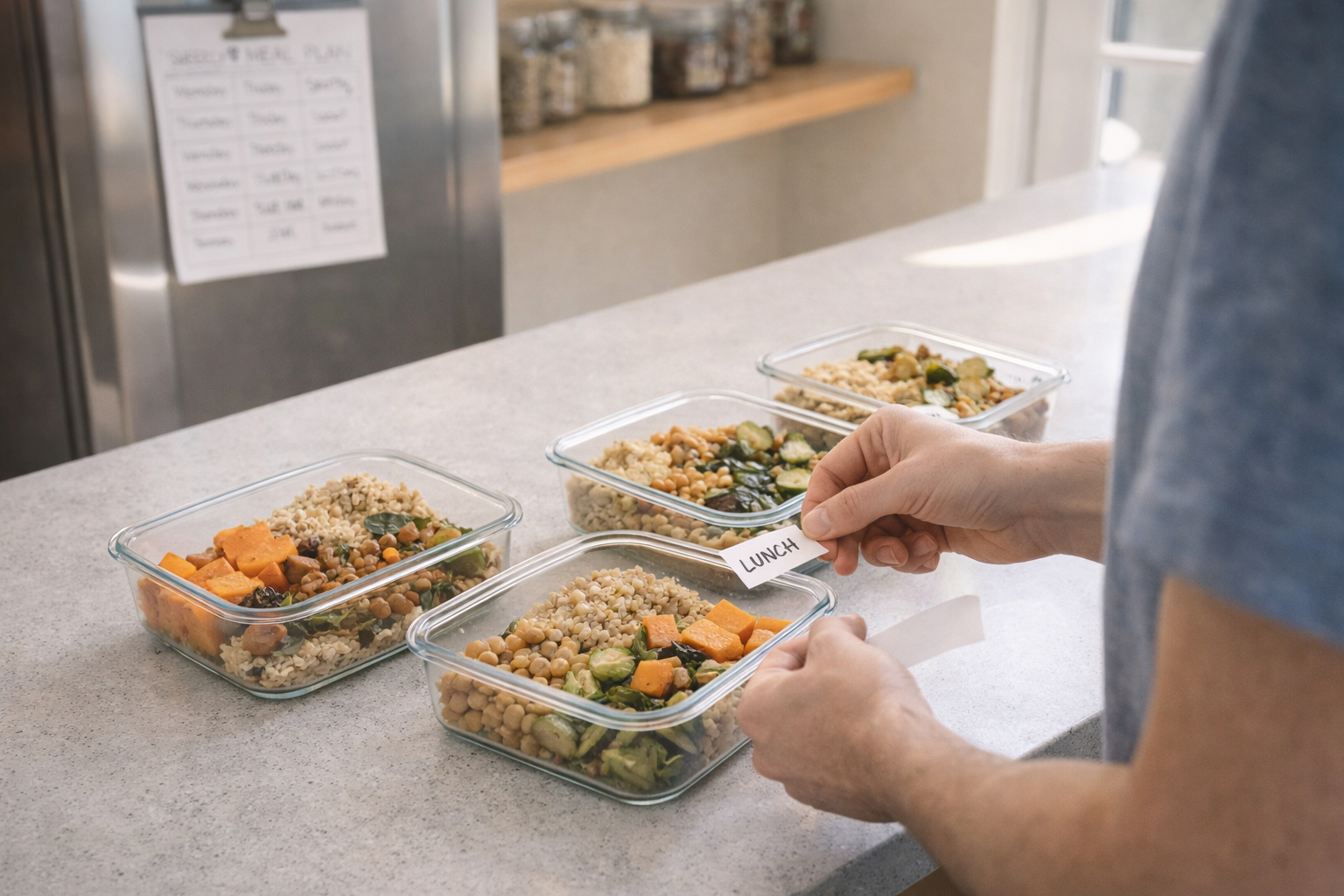
Creating a dependable food rhythm at home makes healthy choices feel natural rather than forced. Small, consistent practices reduce decision fatigue and help maintain energy throughout the day. When meals, snacks, and simple prep are predictable, grocery shopping and cooking become more efficient. This piece outlines practical approaches to build a sustainable routine around everyday food.
Why a Food Rhythm Matters
A clear eating rhythm stabilizes hunger cues and supports steady energy, especially when days are busy. It also helps you allocate time for planning, cooking, and mindful eating instead of relying on convenience options. Over time, routine meals can lower stress around food choices and improve general wellbeing. Establishing predictable patterns makes it easier to align meals with activity and sleep schedules.
Adopting a rhythm is not about strict rules but about creating reliable habits that fit your life. Start small and let routines evolve so they stay realistic and enjoyable.
Core Staples and Smart Swaps
Stocking a few versatile staples simplifies meal creation and reduces last-minute unhealthy options. Focus on whole grains, a variety of vegetables, reliable protein sources, and simple healthy fats. Having a handful of go-to ingredients encourages creativity and keeps cost and waste down. Smart swaps, like choosing whole grains over refined ones or leaning on legumes instead of processed proteins, boost nutrition with minimal effort.
- Whole grains: brown rice, oats, whole wheat pasta
- Proteins: eggs, canned fish, legumes, tofu
- Vegetables: frozen mixed vegetables, leafy greens, cruciferous options
- Flavor basics: olive oil, herbs, citrus, low-sodium broths
Keep a small list of balanced meal templates to mix and match staples effectively. Rotating these templates prevents boredom and saves time.
Weekly Routines That Stick
Block a short window each week for planning and prepping simple components like grains, roasted vegetables, or diced fruit. Commit to two or three flexible meal frameworks you enjoy and can vary by sauce or spice. Batch-cooking and clear storage labeling make it easier to assemble meals quickly on busy days. A predictable rhythm also supports better portioning and reduces impulse food spending.
Use midweek checks to adjust the plan based on schedules or leftovers. Treat the routine as a living system that adapts rather than a rigid mandate.
Conclusion
Build small, repeatable practices that align with your time and tastes.
Focus on a handful of staples and a few meal templates to make cooking easier.
Adjust the rhythm over time so it remains useful and sustainable.