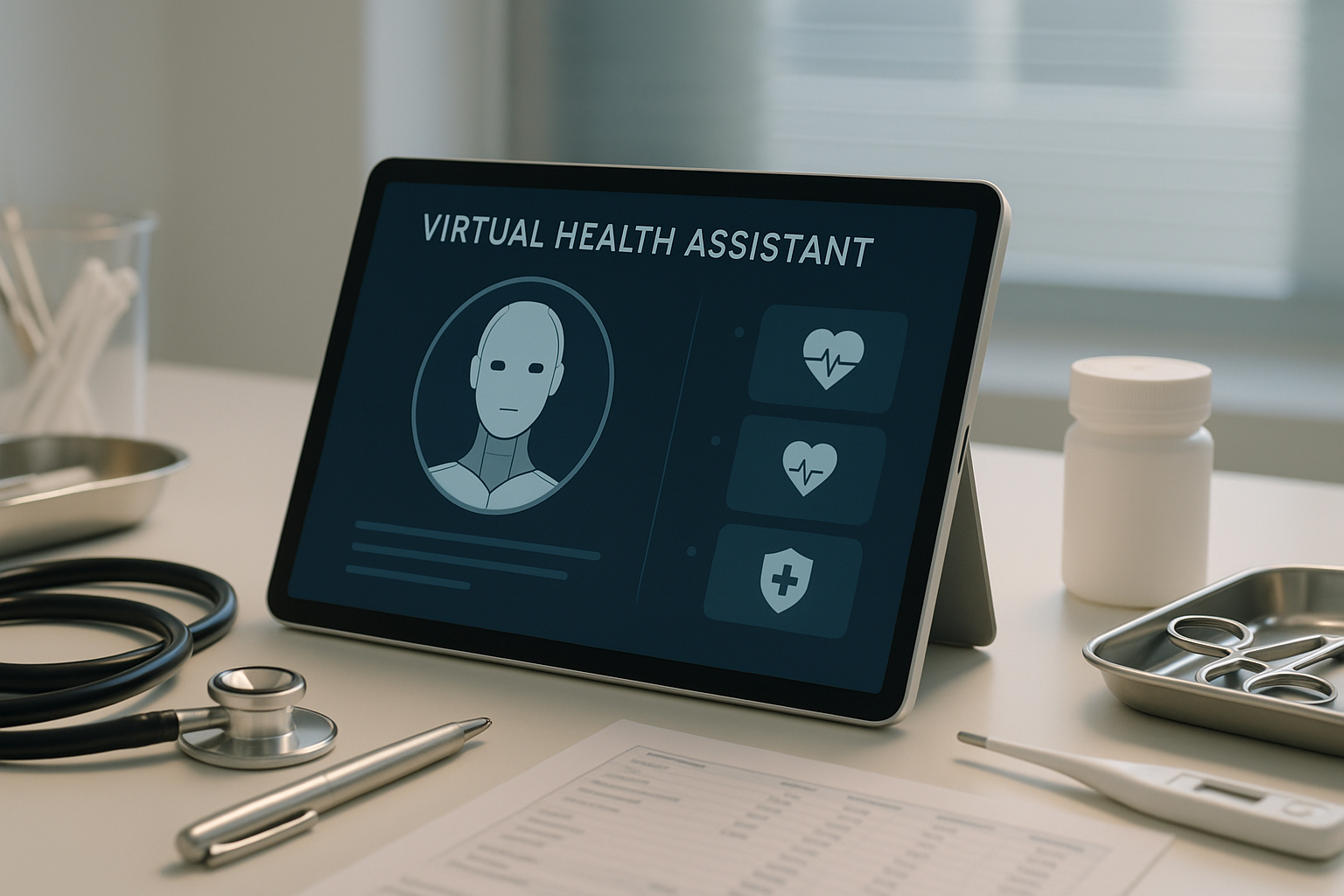
Virtual health assistants are becoming powerful partners in modern medicine, helping doctors manage growing workloads, improve patient care, and streamline daily tasks. Powered by artificial intelligence, these digital tools can answer patient questions, triage symptoms, schedule appointments, and even analyze medical data. As healthcare systems face rising demand, virtual assistants play a crucial role in enhancing efficiency and ensuring that doctors can focus on what matters most — delivering quality care.
Reducing Administrative Burdens
Doctors often spend a significant amount of time on administrative tasks such as charting, documentation, and appointment coordination. Virtual health assistants automate many of these repetitive duties, allowing physicians to reclaim valuable time. By summarizing patient records, updating charts, and generating reports, these assistants help reduce burnout and improve productivity.
Improving Patient Communication and Engagement
Patients frequently have questions outside of office hours or need guidance between appointments. Virtual assistants provide timely answers, offer medication reminders, and share personalized health tips. Their 24/7 availability ensures patients stay informed and connected to their care plans. This continuous support helps physicians maintain stronger engagement without additional workload.
Assisting with Clinical Decision-Making
Advanced virtual assistants can analyze medical data, interpret lab results, and flag potential health risks. While they do not replace clinical judgment, they deliver helpful insights that help doctors make more informed decisions. These tools identify trends, highlight abnormalities, and provide evidence-based recommendations — ensuring physicians have comprehensive information at their fingertips.
Enhancing Remote Care and Telemedicine
As telemedicine becomes more common, virtual health assistants help manage remote patient monitoring, symptom tracking, and follow-up care. They gather real-time data from wearables and digital health apps, allowing doctors to respond quickly to changes in patient conditions. This proactive support strengthens remote care and reduces unnecessary hospital visits.
Conclusion
Virtual health assistants are reshaping healthcare by reducing administrative burdens, improving communication, supporting clinical decisions, and enhancing telemedicine. By working alongside doctors, these tools increase efficiency and enable more personalized patient care. As technology continues to advance, virtual assistants will play an even greater role in creating a more responsive, connected, and patient-centered healthcare system.