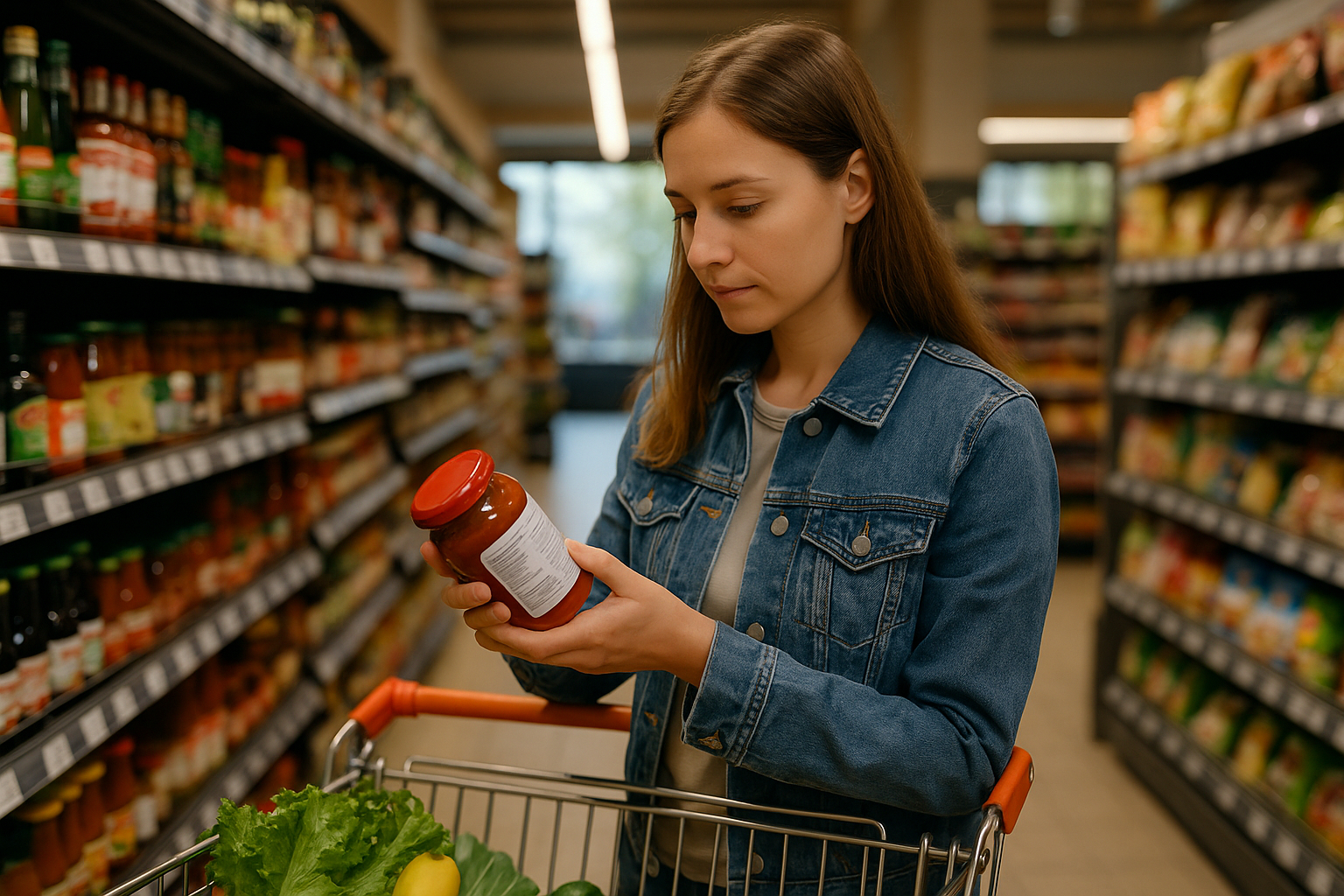
Over the past decade, American consumers have become increasingly conscious of what goes into their food — and what’s left out. The clean label movement has reshaped the food industry, emphasizing transparency, simple ingredients, and minimal processing. More than just a trend, it reflects a broader shift toward mindful consumption, where people want to recognize, trust, and pronounce every ingredient on their plate.
Understanding the Clean Label Concept
A “clean label” isn’t a regulated term, but it typically refers to products made with natural, familiar ingredients and without artificial additives, preservatives, or colors. In essence, consumers are asking for shorter ingredient lists and clearer communication about sourcing and production. It’s about knowing where food comes from and feeling confident in its quality and safety.
Why Transparency Matters to Consumers
Trust is the cornerstone of the clean label movement. Shoppers are paying closer attention to packaging, nutrition facts, and ingredient sourcing. According to U.S. food industry surveys, consumers — especially Millennials and Gen Z — prefer brands that are honest about what’s inside their products. They want real food made with recognizable ingredients like oats, honey, and sea salt, not chemical-sounding names. Brands that embrace transparency not only earn loyalty but also command premium prices in competitive markets.
The Industry’s Response
Major U.S. food and beverage companies have been reformulating products to meet clean label expectations. Artificial colors are being replaced with natural alternatives like beet juice or turmeric, while preservatives are swapped for vinegar or citrus extracts. Even fast-food chains and packaged snack brands are joining the movement, simplifying recipes without compromising taste. Additionally, companies are adopting clearer front-of-pack labeling, emphasizing claims such as “no artificial flavors,” “non-GMO,” or “made with simple ingredients.”
The Role of Health and Sustainability
Health-conscious consumers are driving much of this change, but sustainability also plays a key role. Many Americans see clean eating as part of a larger commitment to environmental responsibility. They prefer brands that use responsibly sourced ingredients, recyclable packaging, and ethical supply chains. This convergence of health and sustainability is shaping the next phase of food innovation in the U.S.
Challenges for Manufacturers
While the clean label movement has opened new opportunities, it also brings challenges. Natural ingredients often have shorter shelf lives and higher costs. Maintaining product consistency without synthetic stabilizers can be difficult. Yet, companies investing in research and cleaner production processes are finding that consumer trust and brand differentiation far outweigh these hurdles.
Conclusion
The clean label movement is redefining how Americans view food — emphasizing honesty, simplicity, and integrity. As consumers continue to demand transparency, companies that prioritize clear communication and natural ingredients will lead the market. In the end, clean labels are not just about what’s removed from food, but about restoring confidence in what we choose to eat.