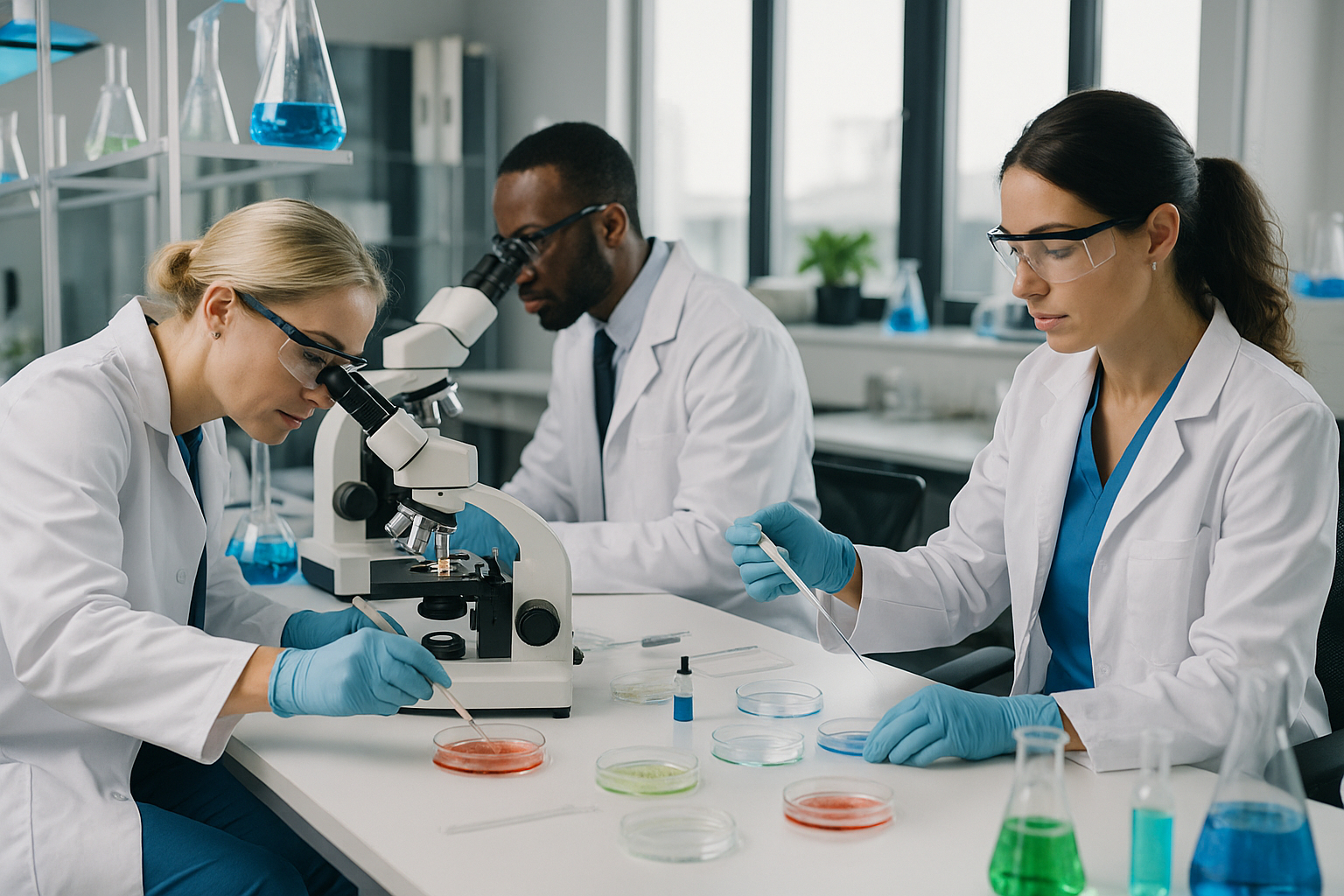
Imagine a future where damaged organs can heal themselves, chronic diseases are reversible, and prosthetics are replaced by lab-grown tissues. This vision is becoming reality through regenerative medicine — a revolutionary field that harnesses the body’s natural healing processes to restore, replace, or regenerate damaged cells, tissues, and organs. Combining advances in biology, genetics, and biotechnology, regenerative medicine is reshaping the possibilities of modern healthcare.
What Is Regenerative Medicine?
At its core, regenerative medicine aims to repair rather than replace. It uses living cells, biomaterials, and advanced therapies to stimulate the body’s ability to heal itself. Instead of relying solely on external implants or long-term drug treatments, regenerative medicine works at the cellular level — encouraging new tissue growth and functional recovery.
The field encompasses several key areas:
-
Stem cell therapy, where cells with regenerative potential are used to rebuild tissues.
-
Tissue engineering, which involves creating artificial scaffolds that help cells grow into functional tissues.
-
Gene therapy, which corrects defective genes that cause disease.
-
Cell reprogramming, which transforms existing cells into new types to replace damaged ones.
Breakthroughs in Practice
Regenerative medicine is already showing results in a range of applications:
-
Heart disease: Scientists are developing cardiac patches that help repair heart tissue after a heart attack.
-
Orthopedics: Stem cells are being used to heal bone fractures, repair cartilage, and treat osteoarthritis.
-
Neurology: Experimental therapies are showing promise in treating spinal cord injuries and neurodegenerative conditions like Parkinson’s disease.
-
Skin and burn treatments: Artificial skin grafts derived from a patient’s own cells have accelerated recovery and reduced rejection rates.
Each of these advancements moves medicine closer to a future where recovery means restoration — not adaptation.
The Role of Stem Cells
Stem cells are the foundation of regenerative medicine because they have the unique ability to develop into any cell type. Researchers can guide stem cells to form tissues such as muscle, nerve, or liver, offering targeted treatments for complex diseases. Induced pluripotent stem cells (iPSCs) — adult cells reprogrammed to act like embryonic stem cells — have opened new doors for personalized medicine without ethical concerns.
Challenges and Ethical Considerations
Despite its potential, regenerative medicine faces hurdles. Ensuring the long-term safety of stem cell therapies, scaling production, and maintaining cost efficiency are ongoing challenges. Additionally, ethical considerations around genetic modification and human tissue engineering continue to spark debate. Responsible regulation and transparency will be essential as the field advances.
The Future of Healing
In the next decade, regenerative medicine could transform healthcare from treatment-based to curative and preventive. Hospitals may one day have “tissue banks” that grow personalized organs on demand, drastically reducing transplant waiting lists.
Conclusion
Regenerative medicine represents humanity’s boldest step toward unlocking the body’s innate power to heal. By blending science and nature, it offers not just hope but a tangible roadmap to a future where diseases that were once incurable can be repaired — cell by cell, tissue by tissue, and life by life.