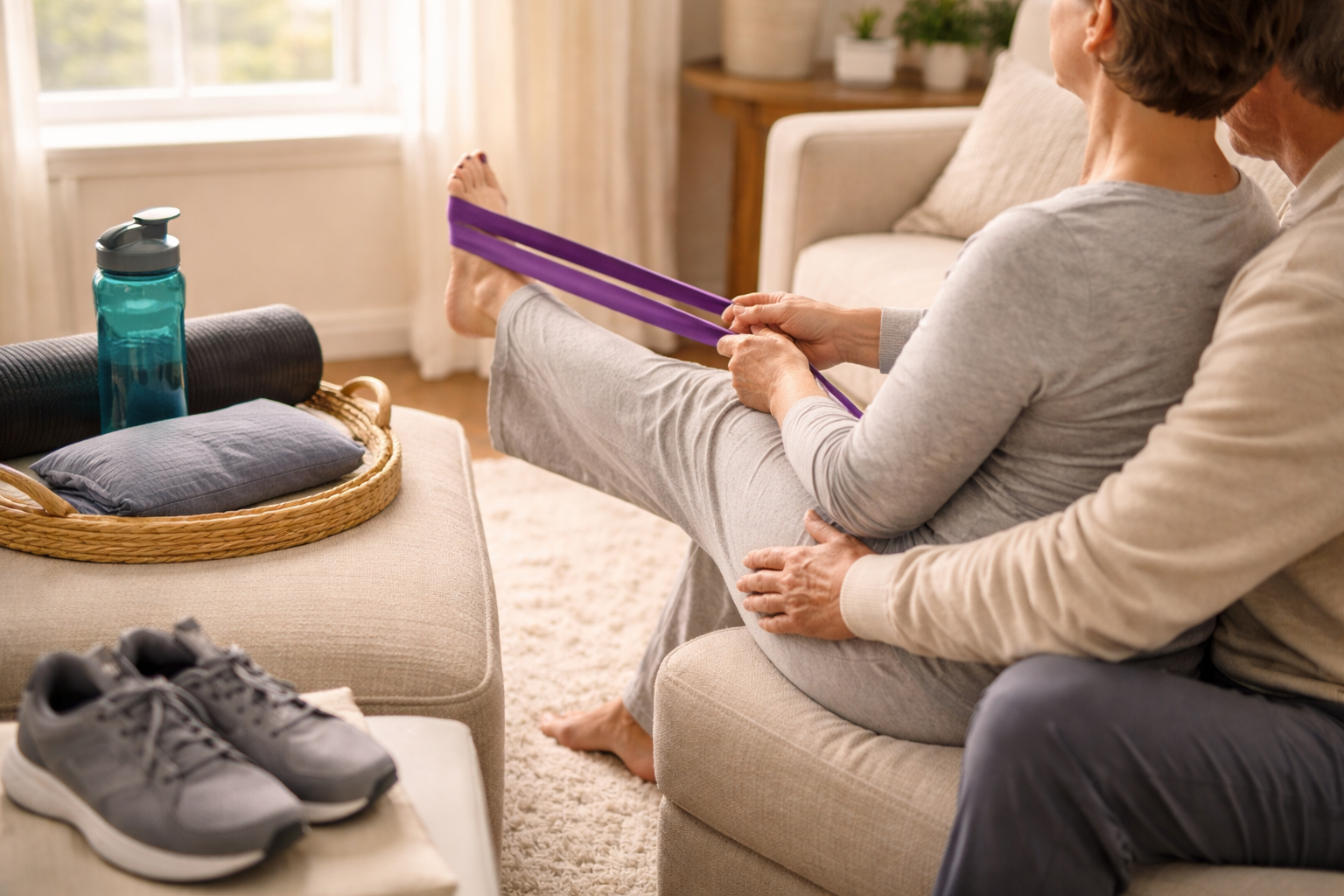
Living with persistent joint or muscle pain is challenging, but thoughtful home habits can reduce discomfort and improve function.
Small, consistent changes to movement, sleep, and daily routines often matter more than one-off fixes.
This article outlines practical strategies you can adopt at home to build resilience, manage flare-ups, and support mobility.
The focus is on gentle, sustainable steps that fit daily life and can be adjusted over time.
Start Small and Build Consistency
Begin with brief, manageable activities that you can repeat daily rather than long sessions you will skip. Short walks, seated mobility sequences, or five minutes of targeted stretching help maintain range of motion and reduce stiffness. Consistency builds confidence and helps you track what reduces symptoms and what aggravates them. Over weeks, small increases in duration or intensity can yield meaningful improvements without overwhelming the body.
Adopting tiny, reliable habits also lowers the mental barrier to exercise and self-care. When progress feels achievable, it is easier to stick with routines and expand them safely.
Gentle Strength and Mobility Focus
Prioritize low-impact strength exercises and controlled mobility work to support joints and surrounding muscles. Bodyweight movements, light resistance bands, and slow, controlled ranges of motion improve stability without excessive strain. Balance training and core engagement protect vulnerable joints during daily activities and reduce compensatory patterns. Aim for sessions that emphasize quality of movement over quantity to minimize irritation and foster recovery.
Consistency in these practices helps maintain function and reduces the likelihood of painful setbacks. Adjust intensity based on how your body responds and progress gradually.
Plan for Flare-Ups and Restorative Habits
Anticipate periods when pain increases and have simple strategies ready, such as modified activity, gentle stretching, or heat and cold routines. Prioritizing sleep, hydration, and stress management supports tissue recovery and pain regulation. Small changes in ergonomics—seating, work height, and footwear—can also lower daily strain on joints and muscles. Learning to pace activity and alternate tasks prevents overloading sensitive areas.
Keep a short, flexible toolkit of soothing practices you can use during flare-ups to feel more in control. Practical preparation reduces anxiety and helps you return to routine sooner.
Conclusion
Consistent, gentle habits at home can improve comfort and function over time.
Focus on simple movement, restorative routines, and sensible pacing to support daily life.
With patience and small adjustments, you can reduce flare-ups and enhance long-term wellbeing.