Managing musculoskeletal pain at home starts with thoughtful, sustainable habits focused on movement, rest, and gradual conditioning.
These small shifts reduce flare-ups and support everyday function without aggressive treatments.
A practical plan prioritizes predictable routines, realistic goals, and simple tracking to measure progress.
This article outlines approachable strategies you can adapt to your environment and schedule.
Understand Your Pain Patterns
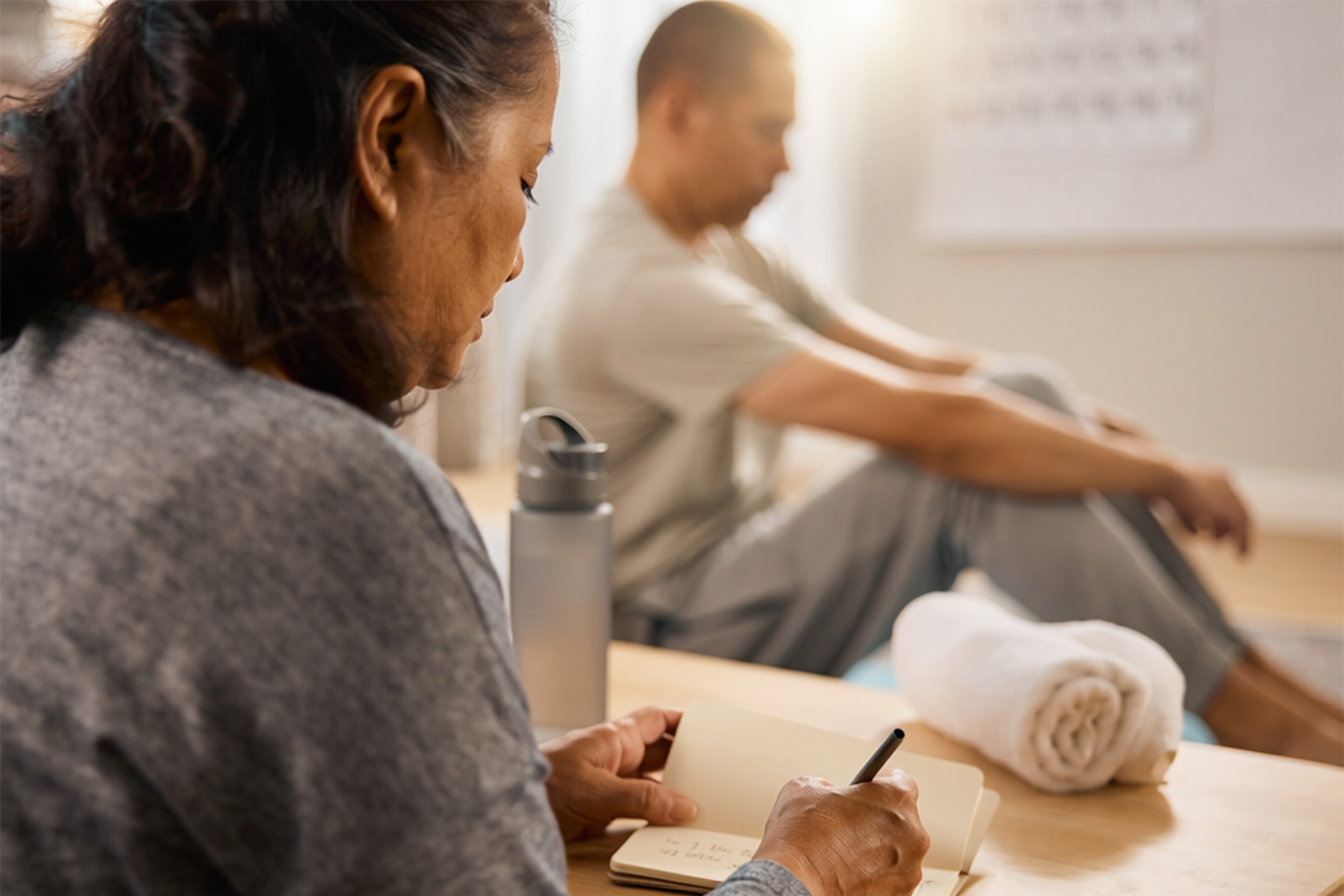
Begin by observing when pain increases, what activities trigger it, and when you feel relief. Keep a short daily log noting intensity, activities, sleep, and stress, which helps identify patterns over time. Recognizing these triggers lets you modify tasks or timing rather than avoiding movement altogether. This observational step empowers more targeted, less intrusive adjustments to your routine.
Use the patterns you discover to set realistic short-term goals focused on consistency rather than perfection. Small, regular changes tend to produce better results than drastic shifts that are hard to sustain.
Movement, Strength and Flexibility
Prioritize gentle mobility and progressive strengthening tailored to the affected areas. Start with low-impact options such as controlled range-of-motion sequences, light resistance exercises, and brief walking or cycling sessions to build endurance without provoking flare-ups. Include flexibility work to maintain joint comfort and reduce stiffness, emphasizing slow, pain-free stretches. Gradual progression and attention to form reduce the risk of setbacks and support steady improvements in function.
Schedule short movement sessions multiple times per day instead of fewer long workouts, and adjust intensity based on daily pain and fatigue levels. Consistency helps maintain gains and builds confidence.
Daily Routines, Sleep and Self-Care
Daily habits like sleep quality, hydration, posture, and stress management significantly influence musculoskeletal pain. Create predictable sleep routines and supportive sleep positions to aid tissue recovery, and ensure workstations are ergonomically set up to reduce strain. Incorporate simple relaxation practices, such as breathing exercises or brief mindfulness breaks, to lower tension that can worsen pain. Practical self-care complements physical work and sustains overall progress.
Plan routines that fit your lifestyle so they are easy to maintain, and reassess periodically to refine what works best. Small, sustainable changes often yield the most meaningful long-term benefits.
Conclusion
Adopt a patient, structured approach that blends observation, gentle movement, and consistent self-care.
Focus on small, repeatable actions rather than quick fixes to build resilience and comfort over time.
With routine adjustments and gradual progression, many people improve function and reduce flare-ups at home.