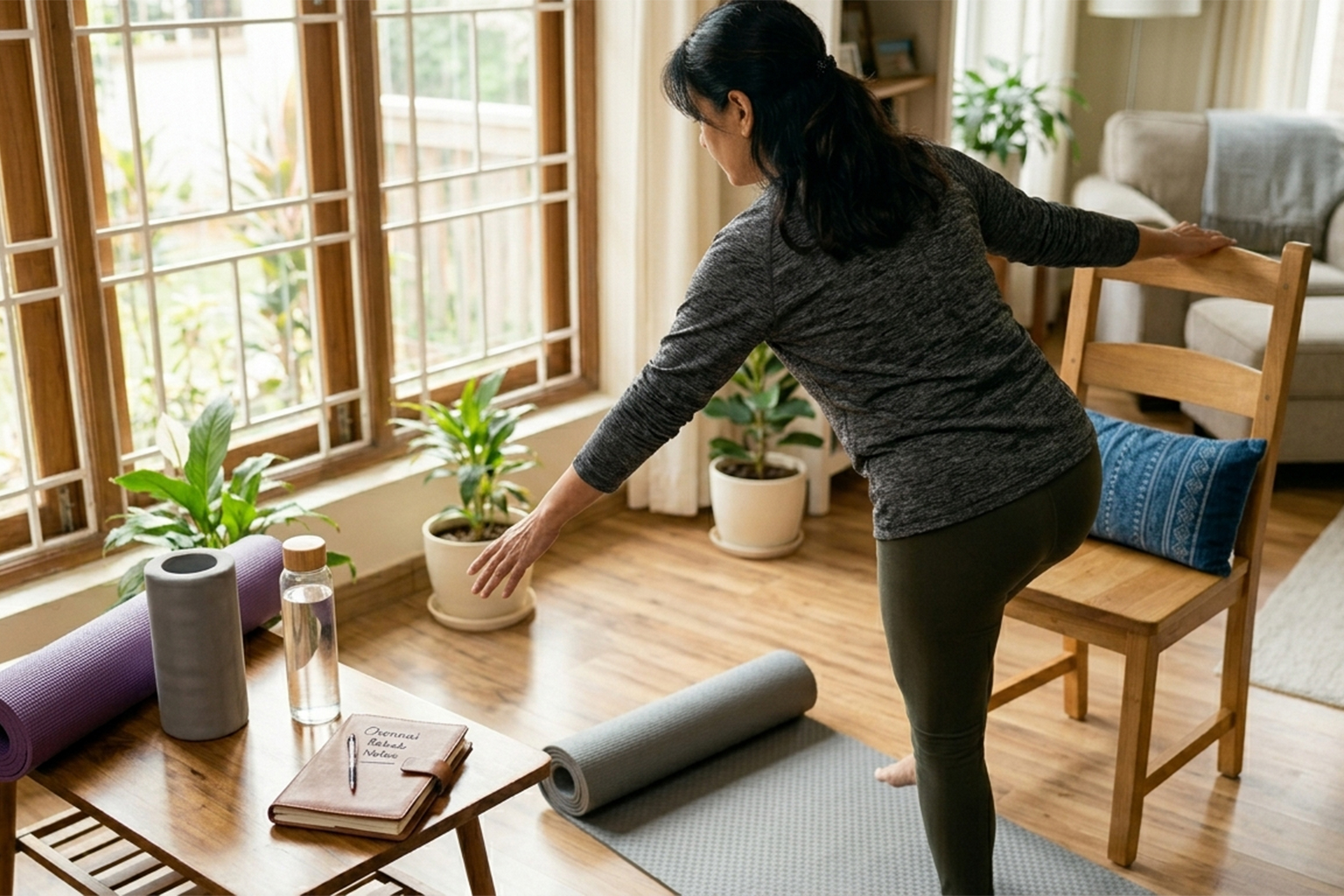
Managing persistent musculoskeletal pain at home takes a balanced approach that combines movement, environment adjustments, and thoughtful recovery. Small, consistent practices often matter more than occasional intense efforts. This article outlines practical, evidence-informed habits you can adopt indoors. Aim for steady progress and realistic expectations as you build a sustainable routine.
Understand Your Body’s Signals
Learning to distinguish between safe discomfort from movement and warning pain is essential. Safe discomfort often eases as tissues adapt, while sharp, shooting, or sudden increases in intensity usually signal the need to modify activity. Tracking patterns—what makes pain better or worse—helps tailor practices to your needs. Consulting a healthcare professional for persistent changes remains important.
Begin by logging activities and symptoms for a few weeks and reviewing what you find. This informed approach reduces guesswork and supports safer progression.
Build Gentle Daily Movement
Consistent, low-load movement supports circulation, mobility, and strength without provoking flare-ups. Focus on short, frequent sessions: gentle range-of-motion exercises, slow strength work using body weight, and controlled balance drills. Prioritize form and gradual progression rather than duration or intensity. Small increments added regularly lead to meaningful improvements over months.
- Start with 5–10 minutes twice daily.
- Include both mobility and light strengthening.
- Progress by adding repetitions or a few extra minutes each week.
Keep movement varied and avoid pushing through severe pain. Adapt exercises to what feels manageable that day.
Optimize Your Home Environment
Ergonomics and space setup influence how your body loads during everyday tasks. Arrange work surfaces, seating, and frequently used items to reduce awkward postures and repetitive strain. Small changes, like supportive seating, proper desk height, or placing commonly used items within easy reach, can reduce cumulative stress on joints and muscles. Lighting and footwear also play a role in safe movement and posture.
Plan your environment to support the behaviors you want to keep. Simple, inexpensive adjustments often yield noticeable comfort gains.
Prioritize Recovery and Sleep
Recovery habits determine how well tissues respond to the demands you place on them. Consistent sleep, gentle evening stretching, and pacing activities across the day reduce the likelihood of flares. Incorporate short rest breaks and alternating activity types to avoid repetitive overload. Hydration and balanced nutrition support tissue health and repair.
Listen to your energy and pain levels; adjust activity and rest accordingly. Over time, better recovery habits translate into more reliable daily function.
Conclusion
Small, consistent home practices build long-term musculoskeletal comfort and function.
Focus on gentle movement, sensible environment changes, and reliable recovery habits.
Adapt plans gradually and consult professionals when symptoms change or worsen.