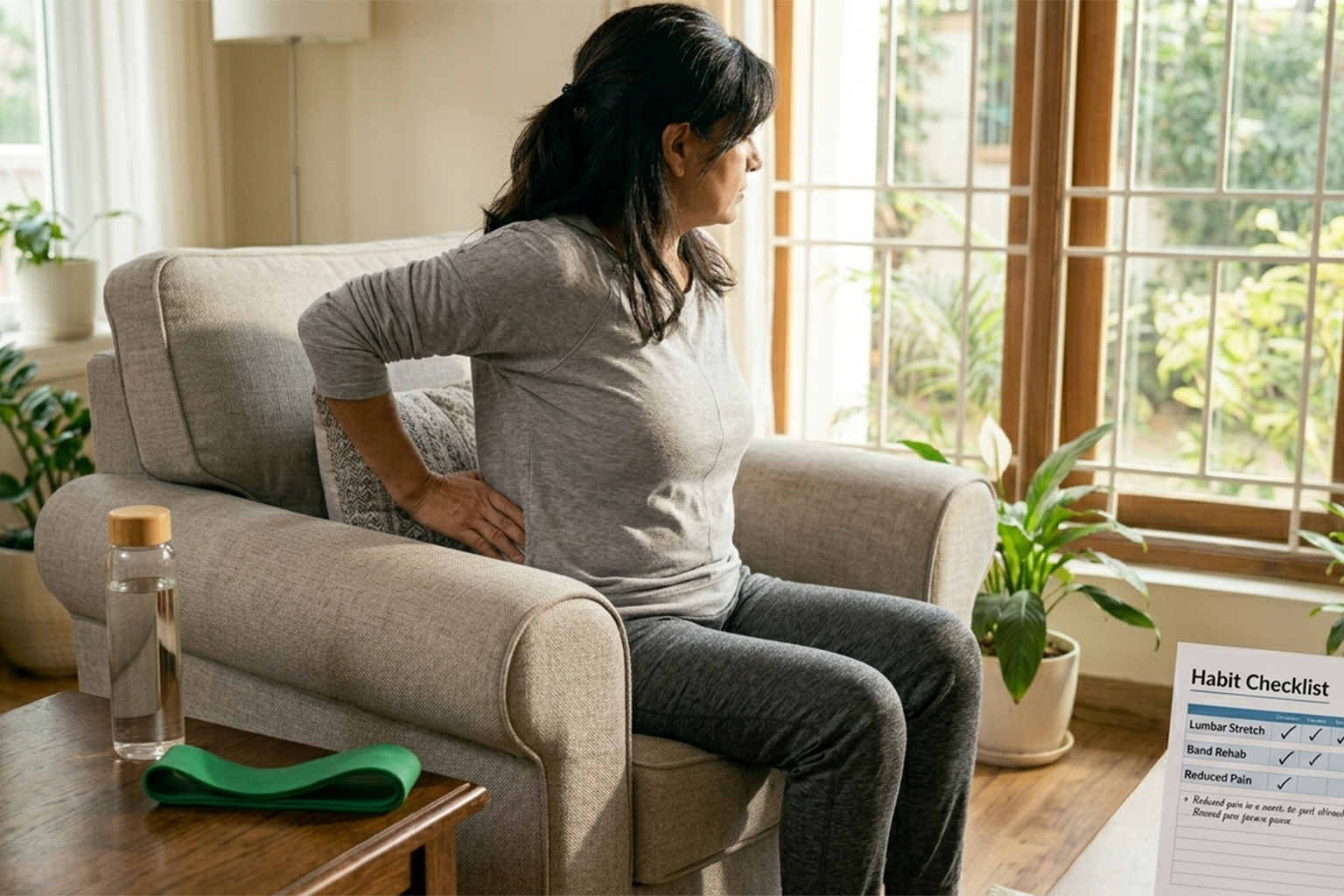
Living with persistent musculoskeletal pain often means adapting daily habits rather than chasing a single cure. Small, consistent adjustments at home can reduce flare-ups, preserve function, and improve overall comfort. This article outlines practical strategies that blend movement, pacing, and environmental tweaks. The aim is realistic, sustainable change you can start this week.
Adopting new habits takes planning and patience, but incremental progress leads to meaningful improvements. Focus on what you can control and build routines that support steady gains.
Assessing Needs and Setting Manageable Goals
Start by evaluating how pain affects your activities and what times of day are most problematic. Note patterns: certain tasks, postures, or durations that trigger symptoms. Set specific, measurable goals like walking five minutes more each day or breaking long tasks into shorter sessions. Clear, realistic objectives make it easier to track progress and stay motivated.
Engage with a clinician if you need assessment or red flags are present, but many adjustments can be started safely at home. Regularly review goals and adjust them as comfort and capacity improve.
Movement, Pacing, and Gentle Strengthening
Movement is a cornerstone of long-term pain control; aim for regular, varied activity rather than a single high-intensity session. Integrate short bouts of gentle movement throughout the day to avoid stiffness and deconditioning. Include light strengthening and mobility work targeted to affected areas, increasing intensity gradually as tolerated. Focus on form and consistency over intensity to reduce the risk of flare-ups.
- Daily short walks or step-ups for cardiovascular tolerance.
- Gentle range-of-motion routines for joints and spine.
- Light resistance exercises for core and limb stability.
Use pacing strategies: alternate activity with rest, and prioritize tasks by energy cost. This helps maintain function without provoking setbacks.
Adapting the Home Environment and Self-Care
Small changes at home can reduce strain and support recovery, such as adjusting chair height, using supportive cushions, or reorganizing frequently used items to avoid awkward reaches. Prioritize sleep quality, hydration, and balanced nutrition, all of which influence pain perception and healing. Heat, cold, and topical therapies may offer short-term relief when used appropriately. Psychosocial practices like pacing, stress management, and setting realistic expectations also play a powerful role in pain resilience.
Combining environmental tweaks with consistent self-care routines creates a supportive context for gradual improvement. Make one change at a time and evaluate its impact.
Conclusion
Meaningful reductions in persistent musculoskeletal pain often come from steady, practical habit changes rather than dramatic interventions. Prioritize assessment, gradual movement, and home adjustments to support daily function. Small, consistent steps can build lasting resilience and improve quality of life.