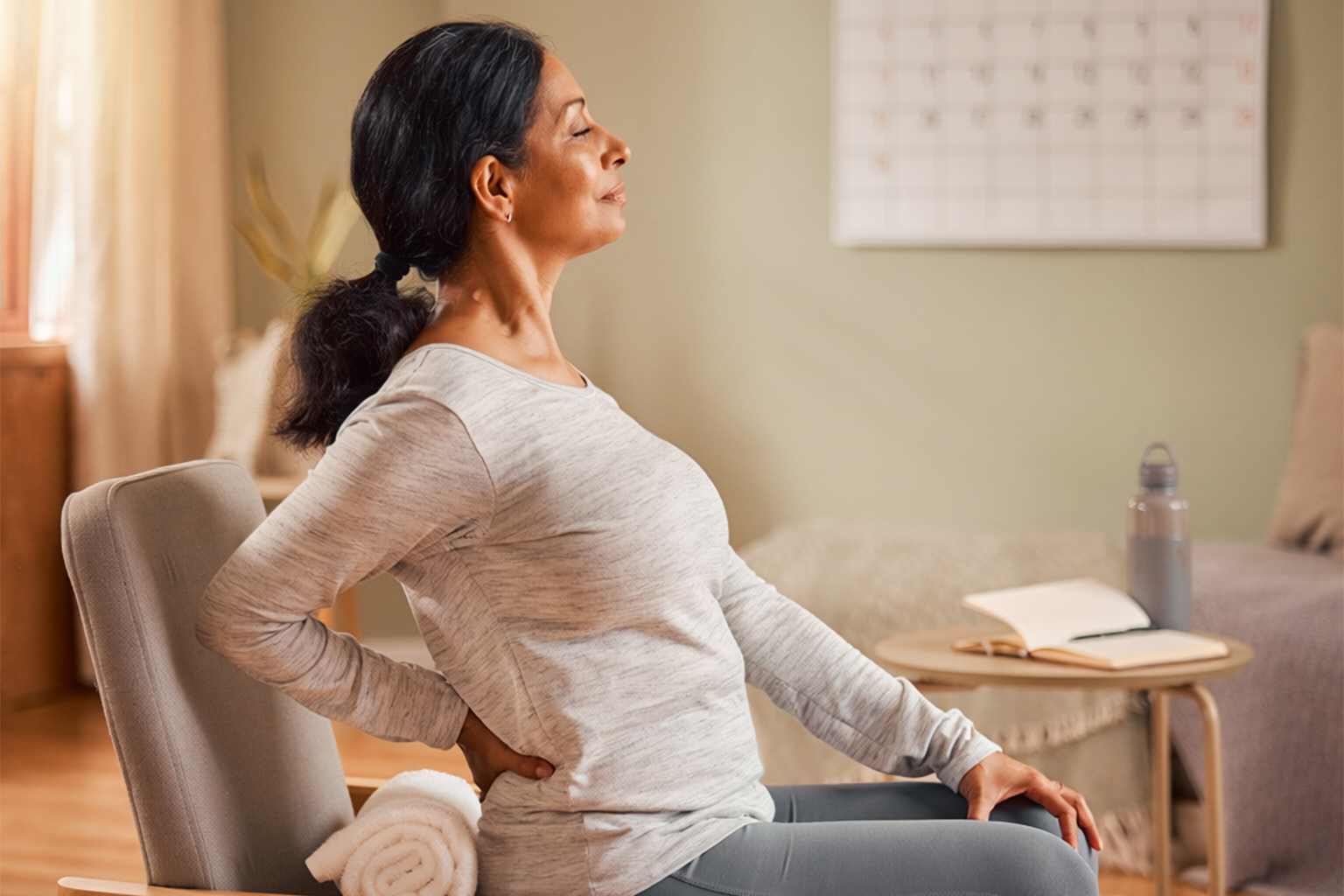
Living with persistent pain often means finding practical ways to move, rest, and adapt within your living space. A thoughtful home program focuses on gradual movement, posture, and daily habits that reduce flare-ups. This article outlines simple strategies to build a sustainable routine without overwhelming your schedule. Use these ideas to improve function and confidence while respecting your body’s signals.
Begin with modest goals and prioritize consistency over intensity. Small improvements compound and reduce the risk of setbacks.
Understanding Your Pain and Limits
Start by identifying triggers, pain patterns, and activities that increase or relieve symptoms. Keep a brief log for two weeks noting what you did, how intense the pain was, and how long it lasted. Understanding these patterns helps you set realistic activity targets and informs safe progression. If pain changes suddenly or becomes severe, seek professional advice promptly.
Recognizing limits doesn’t mean avoiding activity entirely; it means tailoring movement so it supports recovery. Respecting boundaries keeps momentum and prevents discouragement.
Creating a Balanced Movement Plan
A balanced plan includes gentle mobility, strengthening, and low-impact aerobic activities tailored to your tolerance. Aim for short, frequent sessions—five to fifteen minutes multiple times a day—so exercises feel manageable. Focus on controlled motions, correct breathing, and gradual increases in range or resistance. Consistency is more important than intensity for reducing sensitivity and restoring function.
- Mobility: joint circles, gentle stretches.
- Strength: bodyweight or light resistance, focusing on supportive muscles.
- Cardio: walking, cycling, or water-based activity as tolerated.
Track perceived effort rather than pain alone, and adapt sessions to the day’s limits. Progress slowly and celebrate small gains.
Pain-Friendly Environment and Ergonomics
Small changes at home can reduce strain and lower the frequency of pain flares. Arrange commonly used items within easy reach, adjust seating support, and set work surfaces at comfortable heights. Use cushions, lumbar supports, or a rolled towel to maintain neutral posture during prolonged sitting. Proper footwear and avoiding long periods of standing on hard surfaces can also help.
These adjustments reduce unnecessary stress on sensitive areas and make daily tasks more sustainable. Over time, improved ergonomics support better movement quality.
Tracking Progress and Adjusting Safely
Regularly review your log to identify improvements and recurring challenges. Set weekly goals such as adding two minutes to a walking session or increasing repetitions by one or two. When pain increases, back off to the last tolerated level and reassess technique or frequency. Consider periodic check-ins with a qualified clinician for tailored progression and to rule out underlying issues.
- Keep measurements simple: pain scale, activity duration, and functional notes.
- Use reminders or calendar entries to maintain consistency.
Flexible adjustment helps you maintain momentum while protecting against setbacks. Documenting progress builds motivation and informs smarter changes.
Conclusion
Start with small, consistent steps and listen to your body.
Make gradual adjustments to movement and your environment for lasting benefit.
Seek guidance when progress stalls or pain escalates to stay safe and effective.