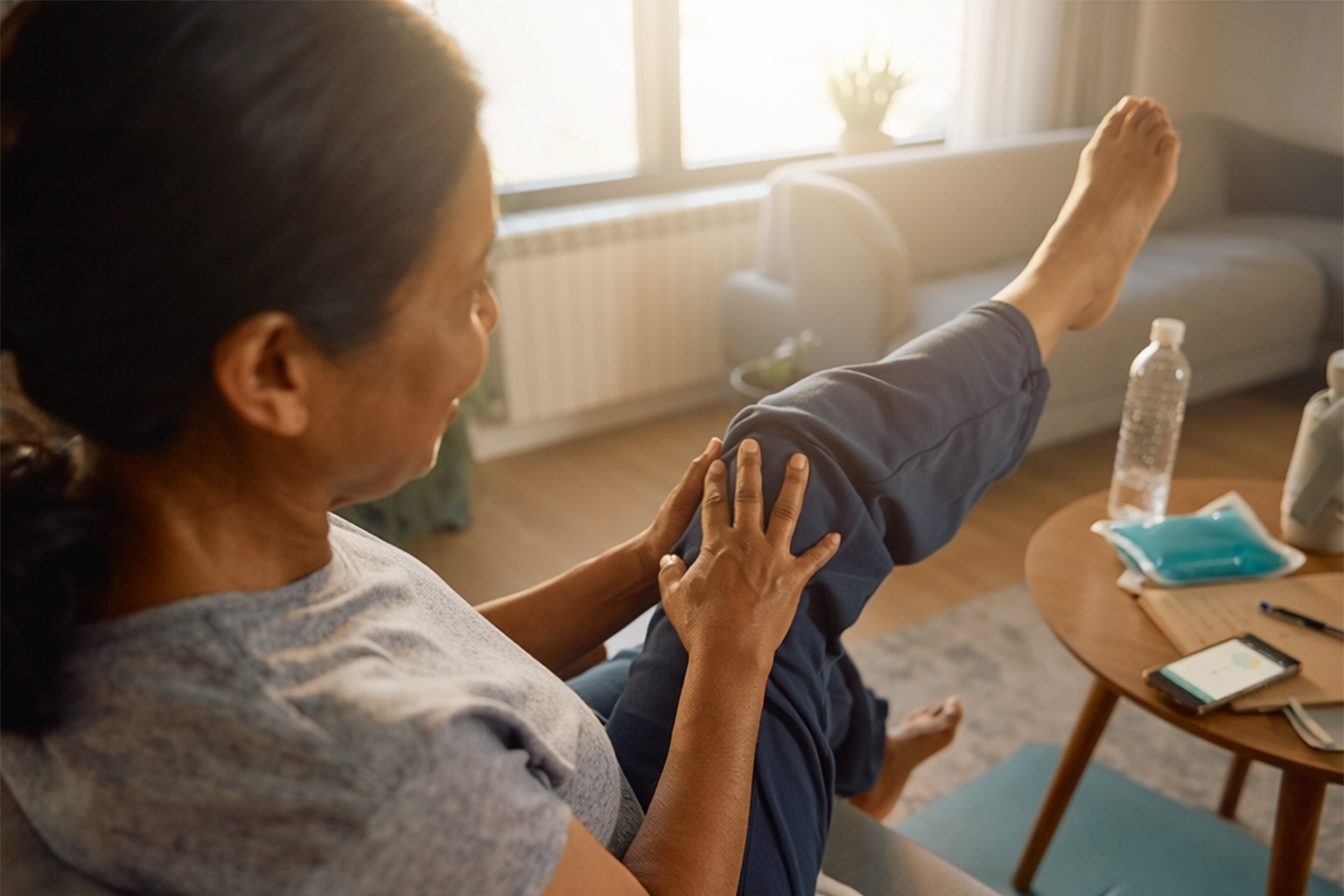
Living with persistent musculoskeletal pain calls for practical, consistent strategies that fit into everyday life. Small daily habits—focused on movement, rest, and environment—can reduce flare-ups and build resilience over time. This article outlines approachable home practices that emphasize safety, gradual progress, and self-awareness. The goal is to help readers develop a sustainable routine that supports comfort and function.
Gentle Movement and Mobility
Regular, low-impact movement preserves joint range and muscle capacity without provoking pain. Aim for short sessions several times a day that combine walking, gentle stretching, and light strengthening exercises targeted to areas of concern. Progress gradually by increasing duration or repetitions only when the activity is tolerated. Consistent movement helps reduce stiffness and improves confidence in daily tasks.
- Daily examples: 10–15 minute walks, seated leg lifts, gentle shoulder circles.
- Start with what feels manageable and add 10% more each week.
Keeping movement varied and predictable reduces the risk of overuse. Use timers or cues to build the habit into a daily schedule.
Pacing, Rest, and Sleep
Pacing balances activity with recovery to prevent cycles of boom-and-bust that worsen pain. Break tasks into smaller chunks, alternate activity types, and schedule short rest breaks before fatigue sets in. Prioritizing sleep quality supports tissue repair and pain modulation, so create a consistent bedtime routine and a restful sleep environment. Good sleep enhances the benefits of daytime self-care practices.
- Pacing tip: set a timer for work and rest intervals (example 25 minutes activity, 5 minutes rest).
- Sleep tip: limit screens before bed and keep the bedroom cool and dark.
Respecting energy limits makes it easier to maintain steady progress and reduces risk of setbacks. Adjust plans based on daily symptoms rather than expectations.
Ergonomics and Home Environment
Small changes at home can reduce strain during routine tasks. Evaluate seating, work surfaces, and lifting techniques to ensure neutral joint positions and adequate support. Use simple tools like cushions, footrests, or a supportive chair to offload painful areas. Temperature and lighting also influence comfort, so create a space that minimizes tension and encourages movement.
- Optimize: chair height, monitor position, and reachable storage.
- Comfort: use heat packs or cool compresses as needed for short-term relief.
An ergonomic approach reduces daily wear and tear, making therapeutic movement easier to maintain. Regularly reassess setup as needs change.
Self-Care Techniques and Tracking
Breathing exercises, mindfulness, and gentle self-massage can complement physical strategies by reducing tension and improving pain coping. Keep a simple log of activities, symptoms, and triggers to identify effective adjustments. Tracking progress helps you notice gradual improvements and informs safer increases in activity. Combining objective notes with how you feel supports smarter decisions about pacing and exercise.
- Try diaphragmatic breathing for 5 minutes daily and record tolerance to movement.
Small, measurable changes sustain motivation and guide long-term planning. Use tracking to celebrate consistency rather than perfection.
When to Seek Professional Guidance
Persistent or worsening symptoms, unexplained changes in function, or new neurological signs warrant professional evaluation. A qualified clinician can tailor an exercise plan, address biomechanical contributors, and rule out conditions that need specific treatment. Working collaboratively ensures home practices are safe and effective for your situation. Professional input accelerates recovery and reduces the risk of unintended harm.
If uncertain, start conservative changes and consult a practitioner for personalized recommendations. Combining guidance with consistent home strategies delivers the best outcomes.
Conclusion
Adopting practical daily practices—gentle movement, thoughtful pacing, ergonomic adjustments, and simple self-care—builds long-term resilience to musculoskeletal pain. Track progress and adjust activities gradually while seeking professional advice when needed. Over time, these habits support more comfortable, active living and greater confidence in day-to-day function.