Living with ongoing musculoskeletal discomfort calls for practical, personalized strategies you can use at home. Small, consistent adjustments in movement, rest, and daily tasks often make the largest difference over time. This article outlines an approach that emphasizes assessment, gentle activity, symptom pacing, and supportive habits. The goal is steady improvement in function and quality of life without dramatic interventions.
Start with a simple assessment
Begin by tracking when pain increases, what activities precede it, and any helpful or unhelpful responses you notice. Keep a brief log for a week noting activity type, pain level, and sleep quality to identify patterns. Understanding triggers helps prioritize which movements or tasks to modify first. This evidence-based starting point reduces guesswork and targets the most impactful changes.
Use this insight to set realistic goals that focus on function rather than complete elimination of discomfort. Short, measurable objectives make it easier to track progress and adjust the plan as you learn more.
Incorporate gentle, progressive movement
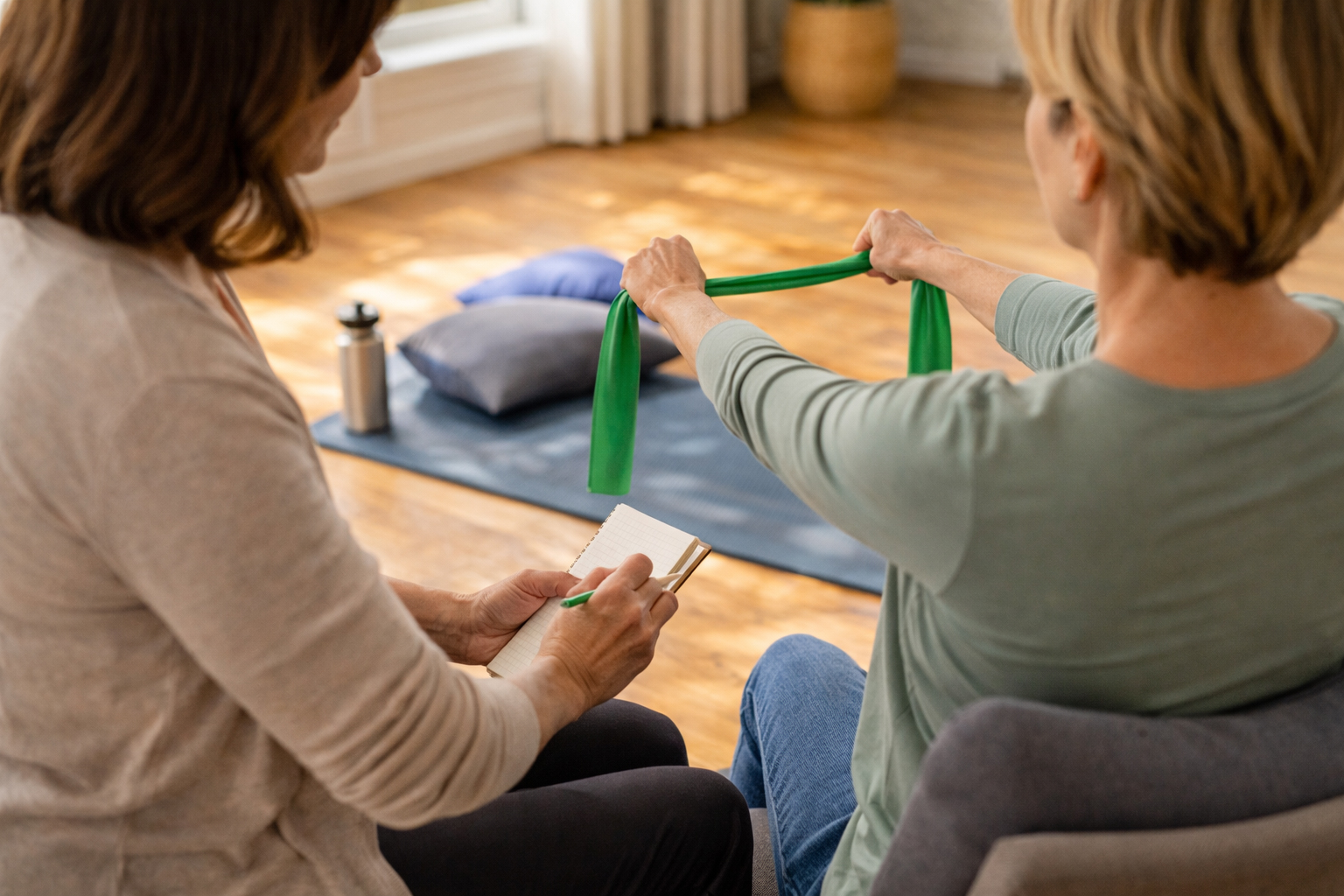
Consistent, low-load activity supports tissue health, circulation, and pain modulation. Choose movements that feel stable and repeat them in short sessions, increasing duration or repetitions slowly across days. Examples include controlled range-of-motion sequences, light strengthening using bodyweight or resistance bands, and brief walking or standing breaks. These sessions should challenge but not provoke a sustained increase in pain.
- Start with two to three short sessions daily.
- Prioritize form and steady breathing.
Progressive overload applied gently builds resilience while minimizing flares, making activity a tool for long-term improvement rather than a source of setback.
Manage flares with pacing and recovery
When pain spikes, adjust intensity rather than stopping all movement; use pacing to balance activity and rest. Implement short periods of modified tasks, ice or heat as helpful, and gentle mobility to prevent stiffness. Maintain sleep hygiene and hydration to support recovery processes. Having a pre-planned flare routine reduces anxiety and promotes faster stabilization.
Clear rules for scaling activity—such as cutting intensity by half for 48 hours—help prevent prolonged setbacks and keep goals on track.
Build supportive daily habits
Ergonomic adjustments, regular micro-breaks, and stress management contribute to sustained comfort. Simple changes like optimizing seating, organizing tasks to avoid repetitive strain, and incorporating relaxation techniques can reduce baseline pain. Nutrition and gradual return to meaningful activities further reinforce gains. Social support and realistic expectations are also important for adherence.
Combine these elements into a weekly routine that reflects personal preferences and realistic time commitments to increase consistency.
Conclusion
Personalized home plans combine assessment, gentle progression, pacing, and supportive habits to build resilience against ongoing pain. Small, consistent actions tailored to your patterns deliver meaningful gains in function and confidence. With gradual adjustments and clear goals, living comfortably at home becomes more achievable over time.