No Result
View All Result
Home Fitnes Stop
  • Home
  • Food
  • Medical
  • Medical Insurance
  • Home
  • Food
  • Medical
  • Medical Insurance
No Result
View All Result
Home Fitnes Stop
No Result
View All Result
OnlineKasinaCesko srozumitelně shrnuje platební metody, ochrana dat a bonusové podmínky. Výsledkem je přirozený text zaměřený na potřeby hráčů. under 1 hour withdrawal casino helps explain cash-out terms and popular slots so readers can assess bonuses, payments and game choice more easily.

Adres sorunlarını aşmak için Bettilt güncel olarak kontrol ediliyor.

Online oyun keyfini artırmak isteyenler Bettilt giriş seçeneklerini değerlendiriyor.

Curacao Gaming Authority’ye göre, 2024’te lisanslı bahis platformlarının %100’ü kullanıcı verilerini anonimleştirmiştir; bahis giriş bu güvenlik protokolünü uygular.

Mobil deneyimi ön bettilt planda tutan uygulaması sektörde fark yaratıyor.

Bahis sektöründeki başarısıyla bahsegel güven kazanan kullanıcı sayısını hızla artırıyor.

Her oyuncu güvenlik için bettilt politikalarına dikkat ediyor.

Home Medical

Build a Daily Rhythm at Home to Manage Musculoskeletal Pain

admin by admin
April 9, 2026
in Medical
0
Build a Daily Rhythm at Home to Manage Musculoskeletal Pain
0
SHARES
1
VIEWS

Establishing a predictable daily rhythm at home can reduce flare-ups and improve long-term comfort for people with musculoskeletal pain. Small, consistent practices — rather than sporadic intense efforts — help the body adapt and recover. This approach balances gentle movement, thoughtful environmental changes, and deliberate rest. Over time, repeating manageable habits can increase function and reduce the frequency of painful episodes.

Creating a sustainable routine means prioritizing what is realistic each day and adjusting as needed. The sections below outline practical steps to integrate movement, optimize space, and pace activity for better outcomes.

Begin with Consistent, Gentle Movement

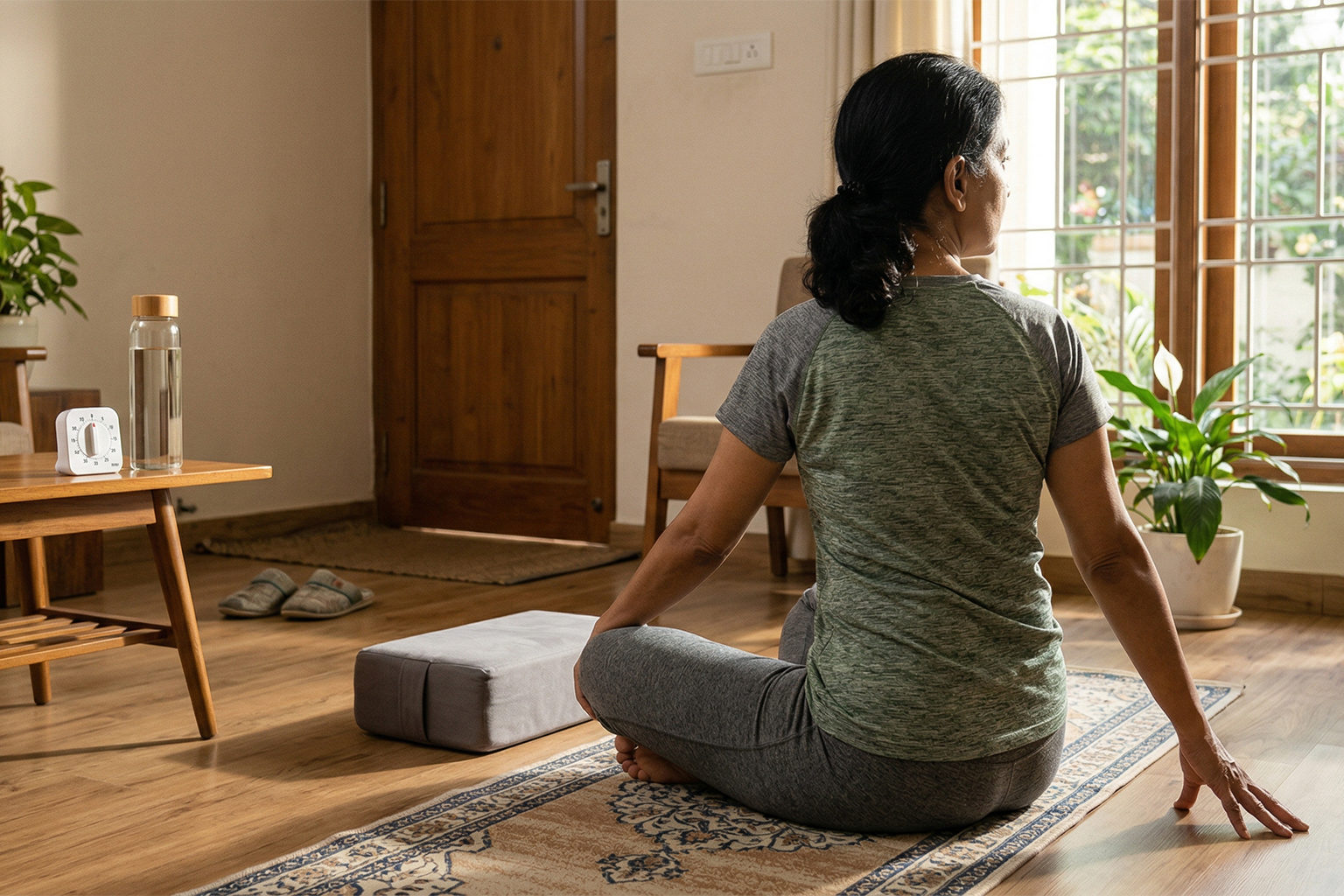
Regular, low-impact movement is foundational for maintaining joint mobility and muscular endurance without provoking pain. Start with short sessions of gentle stretching, walking, or controlled strengthening exercises that target key areas of discomfort. Aim for brief bouts several times daily rather than one long session, and progress intensity slowly based on how the body responds. Consistency matters more than intensity when the goal is steady improvement.

  • Examples: five to ten minutes of morning mobility, a midday walk, light resistance exercises in the evening.
  • Focus: range of motion, posture, and breathing to support movement quality.

Tracking short sessions in a simple log can help maintain progress and reveal patterns that inform adjustments. Keep exercises varied but familiar to avoid overload while preserving benefits.

Create an Environment That Supports Movement

Adjusting your home environment reduces strain and encourages regular activity by making movement easier and safer. Arrange seating, workspaces, and frequently used items so you avoid awkward reaches or sustained postures that may trigger pain. Consider supportive cushions or ergonomic chairs, an accessible workspace height, and clear pathways to prevent stumbling or compensatory movements. Small changes often have outsized effects on day-to-day comfort.

  • Simple modifications: elevate chairs, use non-slip mats, keep commonly used items within reach.
  • Lighting and footwear also influence posture and stability during movement.

These adjustments remove friction from daily tasks and make the decision to move more likely, which reinforces healthy habits over time. Periodically reassess the setup as mobility changes.

Pacing, Rest, and Recovery Techniques

Pacing involves breaking activities into manageable chunks and alternating effort with rest to prevent overdoing it. Use timers or natural task boundaries to build short recovery periods into routines, and prioritize quality sleep to support tissue repair and pain modulation. Incorporating gentle relaxation methods such as diaphragmatic breathing or brief mindfulness practices can reduce muscle tension and emotional stress that amplify pain. Simple thermal strategies like warm packs or cold applications can also ease symptoms when used appropriately.

  • Pacing tips: set realistic activity goals, schedule breaks, and adapt tasks rather than stopping entirely.
  • Recovery: aim for consistent sleep schedules and short relaxation sessions daily.

Combining pacing with gradual progression preserves gains and reduces setbacks. Listen to your body and adjust plans rather than forcing a single routine.

Conclusion

Building a daily rhythm that blends gentle movement, supportive surroundings, and mindful pacing can meaningfully reduce musculoskeletal pain and improve daily function. Start with small, repeatable actions and refine them based on what brings relief and mobility. Over weeks and months, consistency will often produce steady improvements in comfort and resilience.


Previous Post

Balance, Movement, and Rest: A Home Plan for Chronic Pain

Next Post

Everyday Comfort Practices for Sustainable Pain Relief

admin

admin

Next Post
Everyday Comfort Practices for Sustainable Pain Relief

Everyday Comfort Practices for Sustainable Pain Relief

No Result
View All Result

Recommended

Trending

Mapping Policy Benefits to Home Workout Health Needs

Mapping Policy Benefits to Home Workout Health Needs

Key Policy Features to Protect Home Fitness Enthusiasts

Key Policy Features to Protect Home Fitness Enthusiasts

Popular

Virtual cooking class improves children’s nutrition knowledge

Virtual cooking class improves children’s nutrition knowledge

Common foods available now that we were unaware of in the 90s

Common foods available now that we were unaware of in the 90s

Here’s how you can make Adele’s rumoured ‘Weight Loss Salad’

Here’s how you can make Adele’s rumoured ‘Weight Loss Salad’

Tips to prevent eggs from cracking while boiling

Tips to prevent eggs from cracking while boiling

Foods that you can eat without putting on weight

Foods that you can eat without putting on weight

Home Fitnes Stop

Home Fitness Top

Email : [email protected]


Address : 4740 N Cumberland Ave, Chicago,

Illinois, 60656

Subscribe Us =>

By clicking submit, I authorize Home Fitnes Stop and its affiliated companies to: (1) use, sell, and share my information for marketing purposes, including cross-context behavioral advertising, as described in our Terms of Service and Privacy Policy, (2) supplement the information that I provide with additional information lawfully obtained from other sources, like demographic data from public sources, interests inferred from web page views, or other data relevant to what might interest me, like past purchase or location data, (3) contact me or enable others to contact me by email with offers for goods and services from any category at the email address provided, and (4) retain my information while I am engaging with marketing messages that I receive and for a reasonable amount of time thereafter. I understand I can opt out at any time through an email that I receive, or by clicking here
  • Contact Us
  • Privacy Policy
  • Terms Of Service
  • Unsubscribe
  • Privacy Choices

© 2026 Home Fitnes Stop All Rights Reserved

No Result
View All Result
  • Home
  • Food
  • Medical
  • Medical Insurance

© 2026 Home Fitnes Stop All Rights Reserved

Skip to content
Open toolbar Accessibility Tools

Accessibility Tools

  • Increase TextIncrease Text
  • Decrease TextDecrease Text
  • GrayscaleGrayscale
  • High ContrastHigh Contrast
  • Negative ContrastNegative Contrast
  • Light BackgroundLight Background
  • Links UnderlineLinks Underline
  • Readable FontReadable Font
  • Reset Reset